Bill Gates warns AI could kill billion
Bill Gates warns AI could kill billion
- Development: Bill Gates warns AI could kill billion
- Core Takeaway: Bill Gates warns AI could kill billion
- Context: Primary reporting aggregated across independent newsrooms and verified against CurrentDeck standards.
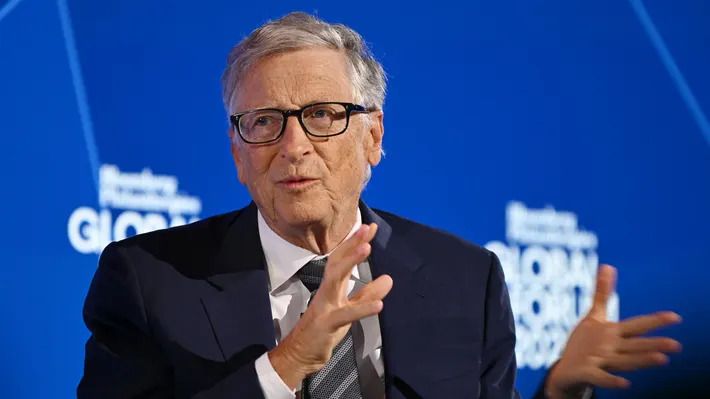
Bill Gates' Warning on AI Risks
Bill Gates, the co-founder of Microsoft, has issued a stark warning about the risks of artificial intelligence (AI). In an interview with NBC News, Gates said that AI is "certainly powerful enough to drive events that, as you know, result in a billion deaths." This warning is not an isolated incident, but rather part of a growing concern about the potential dangers of unregulated AI development. Gates believes that the combination of human malice and advanced AI technology could create a threat that is difficult to overestimate.The Risks of Unregulated AI Development
Gates' warning is based on the idea that AI could be used by individuals or groups with ill intent to cause harm on a massive scale. He notes that the use of AI in the wrong hands could lead to catastrophic consequences, and that the introduction of new taxes on AI and the creation of obligatory standards of safety for AI systems are necessary steps to ensure the safe development and use of AI.Call for Mandatory Oversight and Regulation
In response to these risks, Gates is calling for mandatory oversight and regulation of AI development. He believes that tech companies cannot be relied upon to self-regulate, and that government intervention is necessary to ensure that AI is developed and used in a safe and responsible manner. Gates stated, "For the industry, this will entail some additional costs, but it will not significantly slow down their work."Comparing Perspectives on AI Regulation
The debate around AI regulation is complex and complex, with different experts and institutions offering varying perspectives on the issue. Microsoft AI CEO Mustafa Suleyman has warned about the risks of advanced AI models and called for greater transparency and accountability. The Vatican has also warned about the potential dangers of AI, including the risk of social fracture and the need for greater governance and accountability. The Pentagon is seeking to regulate the use of AI in weapons systems and ensure that AI is developed and used in a safe and responsible manner.Implications of Unregulated AI Development
The implications of unregulated AI development are far-reaching and potentially catastrophic. If AI is developed and used without proper oversight and regulation, it could lead to a range of negative consequences, including the creation of autonomous weapons and the disruption of critical infrastructure. Gates' warning highlights the need for urgent action to address these risks and ensure that AI is developed and used in a safe and responsible manner.Frequently Asked Questions
What is the main risk associated with unregulated AI development?
According to Bill Gates, the main risk associated with unregulated AI development is the potential for AI to be used by individuals or groups with ill intent to cause harm on a massive scale.
Who is calling for greater regulation of AI development?
Bill Gates, Microsoft AI CEO Mustafa Suleyman, and the Vatican are among those calling for greater regulation of AI development.
What are the potential consequences of unregulated AI development?
The potential consequences of unregulated AI development include the creation of autonomous weapons, the disruption of critical infrastructure, and other catastrophic outcomes.
How significant is this development?
Cast your anonymous vote to register reader sentiment across business and policy circles.
CurrentDeck is dedicated to independent, evidence-backed reporting. This briefing was synthesized from primary source reporting, corroborated across independent newsrooms, and verified against our Editorial Standards.


