Identity verification industry faces challenges as AI accelerates fraud ...
Rapid advances in artificial intelligence are outpacing traditional identity verification evaluations, exposing critical vulnerabilities in static security frameworks.
- Development: Identity verification industry faces challenges as AI accelerates fraud ...
- Core Takeaway: Rapid advances in artificial intelligence are outpacing traditional identity verification evaluations, exposing critical vulnerabilities in static security frameworks.
- Context: Primary reporting aggregated across independent newsrooms and verified against CurrentDeck standards.
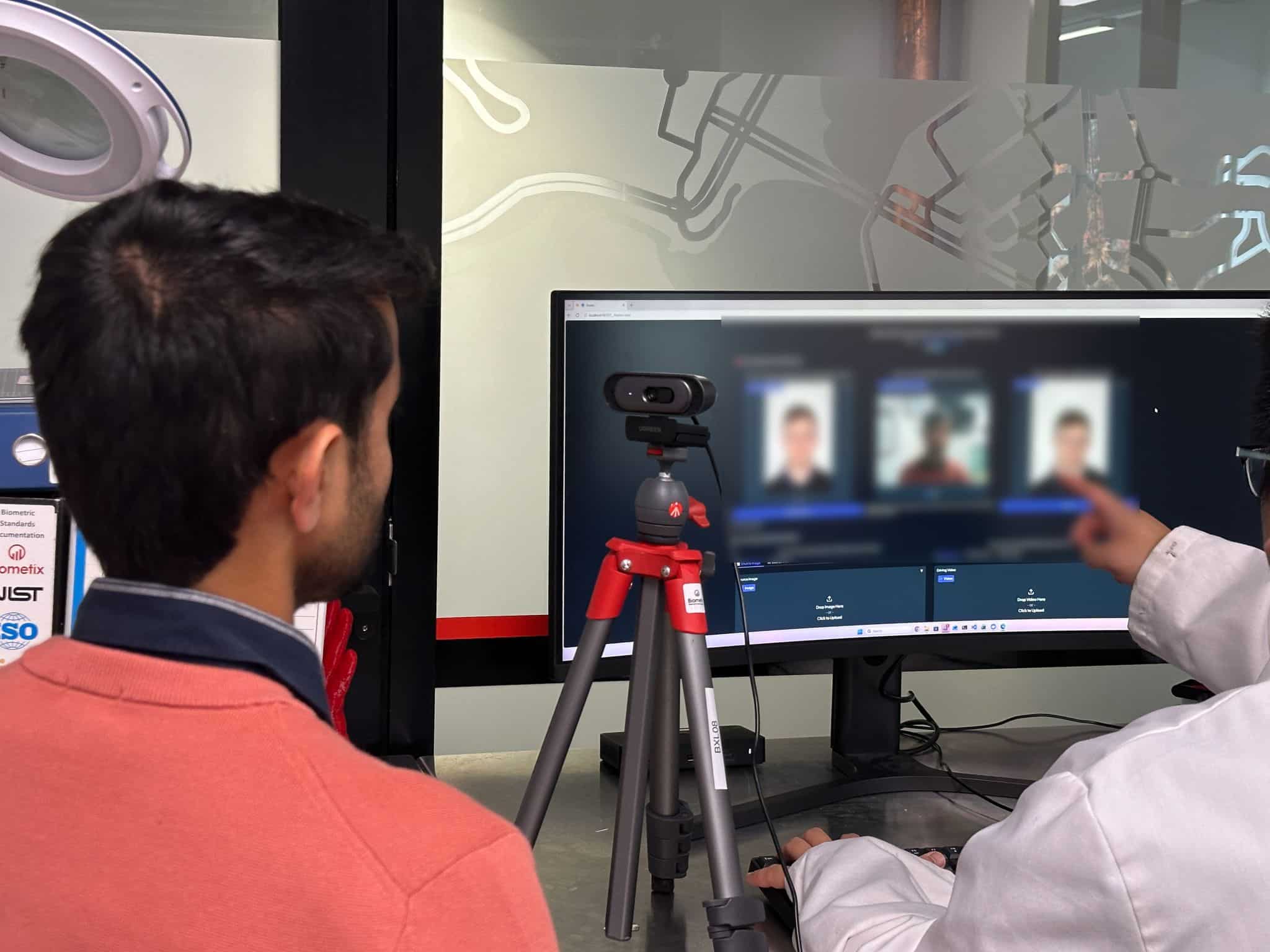
The identity verification industry is grappling with a rapidly evolving landscape as artificial intelligence accelerates the sophistication of fraud techniques, outpacing traditional evaluation methods. A recent analysis by biometricupdate.com highlights the growing disconnect between the speed at which AI-generated threats emerge and the slower, static frameworks used to assess security systems. This mismatch has sparked urgent calls for a paradigm shift in how identity assurance is measured and maintained.
In January, an identity verification solution successfully completed an independent evaluation against the industry’s latest standards. The vendor announced the achievement, customers gained confidence, and procurement teams added another checkmark to their selection process. However, by February, a new AI-generated document attack was discovered. By March, another organization identified a novel biometric injection attack. By April, an open-source AI model dramatically improved the quality of deepfakes. Despite these developments, organizations continue to rely on evaluations conducted months or even years earlier, raising critical questions about the adequacy of current testing protocols.
The root of the problem lies in the accelerating pace of AI innovation. Generative AI tools are making it easier to create convincing fake identities, while data breaches provide criminals with the raw materials to craft synthetic profiles. AI-assisted phishing and social engineering further expand the attack surface, complicating efforts to defend against fraud. "The challenge is no longer simply building stronger identity systems," the biometricupdate.com article states. "It is ensuring we can continuously measure whether they remain effective."
For years, the industry has depended on independent evaluations by entities like NIST and DHS to benchmark technologies and build trust. These programs, while valuable, are designed for static assessments rather than dynamic threat environments. The article argues that the future of identity assurance must move beyond "static snapshots" to embrace continuous learning models. This requires updating evaluation datasets in real time, as new AI-driven attacks become prevalent. "Every significant advancement in AI introduces new attack techniques that should eventually become part of future evaluations," the piece explains.
Collaboration across sectors is also emerging as a key solution. The article emphasizes that no single organization can maintain comprehensive attack datasets alone. Governments, enterprises, vendors, and academia must pool resources to create shared evaluation assets. This approach would not only strengthen the ecosystem but also ensure that knowledge about emerging threats is disseminated rapidly. "It should matter less who identifies an emerging attack and more how quickly the broader community can responsibly learn from it," the piece states.
Independent laboratories, traditionally seen as testing entities, are being reimagined as evaluation partners. Their role could expand to include ongoing threat assessment, dataset refreshment, and progress measurement. As AI-driven fraud becomes more complex, these institutions may play a critical role in validating the resilience of identity systems against evolving risks. "The future of identity assurance is not a single certification," the article concludes. "It is a continuous cycle of evaluating, measuring, identifying gaps, improving and repeating."
The implications of this shift extend beyond technical safeguards. As AI continues to reshape the threat landscape, the ability of organizations to adapt will determine their capacity to maintain trust. The article warns that those relying on outdated certifications will struggle to keep pace with adversaries leveraging cutting-edge tools. "The organizations that build the greatest trust will not be those with the oldest certification hanging on the wall," it asserts. "They will be those that learn, adapt and demonstrate resilience faster than the threats themselves evolve."
How significant is this development?
Cast your anonymous vote to register reader sentiment across business and policy circles.
CurrentDeck is dedicated to independent, evidence-backed reporting. This briefing was synthesized from primary source reporting, corroborated across independent newsrooms, and verified against our Editorial Standards.


