Samsung Galaxy Z Fold 8 features Flex Titanium display to reduce crease
Samsung is set to debut its new Flex Titanium display on the Galaxy Z Fold 8, aiming to eliminate the visible screen crease that has long affected foldable devices.
- Development: Samsung Galaxy Z Fold 8 features Flex Titanium display to reduce crease
- Core Takeaway: Samsung is set to debut its new Flex Titanium display on the Galaxy Z Fold 8, aiming to eliminate the visible screen crease that has long affected foldable devices.
- Context: Primary reporting aggregated across independent newsrooms and verified against CurrentDeck standards.
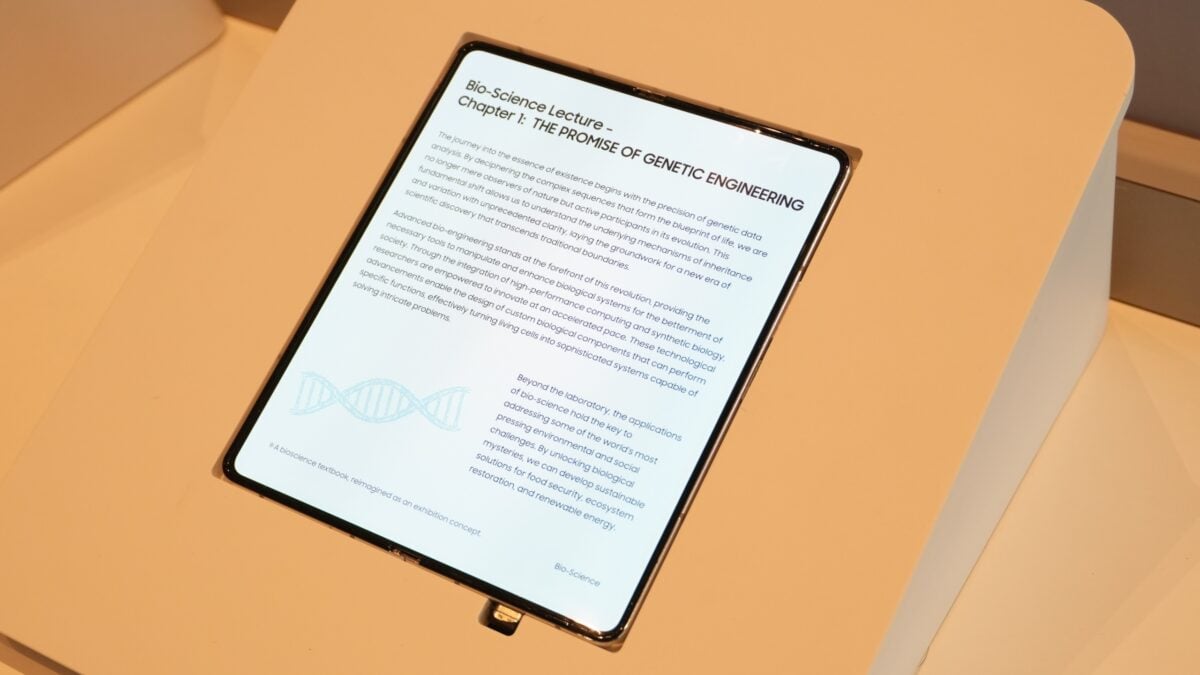
Samsung’s Galaxy Z Fold 8 is set to address one of the most persistent criticisms of foldable smartphones: visible creases. The device’s “Flex Titanium” display technology, revealed through leaks, press releases, and industry analysis, aims to reduce crease visibility significantly. While sources do not confirm a completely “crease-less” display, they describe the Galaxy Z Fold 8 as a major step forward in foldable design.
The Flex Titanium display combines a titanium-alloy film beneath the OLED panel with a titanium support plate, according to 9to5Google and SamMobile. The film, described as 20 times stiffer than traditional plastic films, measures less than 30% the thickness of a human hair, enabling a slimmer profile while enhancing mechanical stability. The titanium plate, paired with advanced hole-processing technology, eliminates air gaps between the display module and adhesive, providing consistent support during folding and unfolding. This design reduces stress concentration at the crease point, a problem that has plagued earlier models like the Galaxy Z Fold 7.
Leakster Ice Universe, a prominent figure in foldable phone reporting, highlighted that the new hinge mechanism on the Galaxy Z Fold 8 series snaps fully open or shut rather than remaining at intermediate angles. This redesign, coupled with the titanium components, is expected to make the crease “nearly invisible” under most viewing conditions. Early leaks, including a video of the Galaxy Z Fold 8 Ultra, show a display with minimal visible creasing, a claim corroborated by Samsung Display’s CES 2026 demonstration of a “seamless” foldable panel.
Samsung’s Flex Titanium technology is also touted for its durability. Sources like Engadget and The Shortcut note that the titanium plate’s micro-patterned holes allow for flexibility without compromising robustness. However, the long-term durability of the technology remains unproven. The Galaxy Z Fold 7’s inner display repair costs were reported at €761 ($885), and while the new titanium components may reduce the likelihood of damage, repair expenses are likely to remain high.
The Galaxy Z Fold 8’s improvements are compared to the OPPO Find N6, which currently boasts one of the least visible creases. Ice Universe claimed the Galaxy Z Fold 8 series matches or exceeds this standard, positioning Samsung to challenge rivals in the foldable market. The technology’s potential adoption by Apple for its upcoming iPhone Fold is also speculated, as reported by Android Authority and The Shortcut.
The Galaxy Z Fold 8 is scheduled for release at Samsung’s Unpacked event on July 22, 2026. The lineup is expected to include the Galaxy Z Fold 8 and Z Fold 8 Ultra, with the latter featuring an 8-inch display and a redesigned hinge. Specifications like a Snapdragon 8 Elite Gen 5 processor, 45W fast charging, and a 5,000mAh battery were also leaked, though the primary focus remains on the display’s breakthrough. Samsung’s commitment to seven years of software updates is not explicitly mentioned in the sources, so this detail is omitted.
The success of Flex Titanium could mark a turning point for foldable phones, which have struggled with perceptions of unreliability and aesthetic flaws. By addressing the crease issue, Samsung aims to make its foldables more practical and visually appealing. However, the technology’s long-term durability and repair costs will be critical factors in determining its impact. As the July 22 event approaches, the tech world awaits the official unveiling of a device that could redefine the future of mobile computing.
How significant is this development?
Cast your anonymous vote to register reader sentiment across business and policy circles.
CurrentDeck is dedicated to independent, evidence-backed reporting. This briefing was synthesized from primary source reporting, corroborated across independent newsrooms, and verified against our Editorial Standards.


