San Francisco Zoo's Chilean Flamingos Welcome First Chicks in a Decade
The San Francisco Zoo is celebrating the hatching of four Chilean flamingo chicks, marking a major milestone for the near-threatened species after nearly a decade without successful breeding.
- Development: San Francisco Zoo's Chilean Flamingos Welcome First Chicks in a Decade
- Core Takeaway: The San Francisco Zoo is celebrating the hatching of four Chilean flamingo chicks, marking a major milestone for the near-threatened species after nearly a decade without successful breeding.
- Context: Primary reporting aggregated across independent newsrooms and verified against CurrentDeck standards.
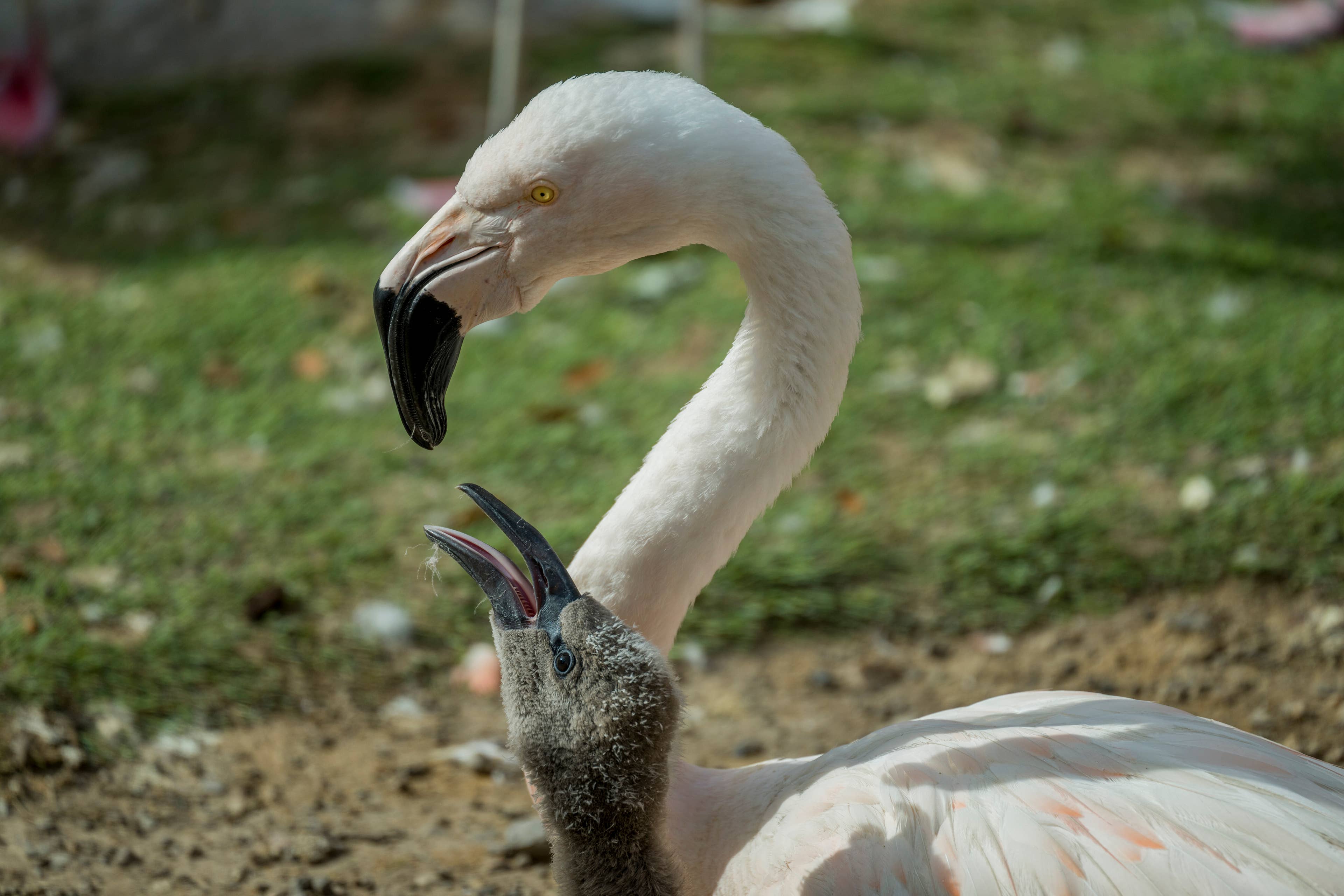
The San Francisco Zoo has announced the hatching of four Chilean Flamingo chicks, marking the first such event in nearly a decade. The new arrivals, born to a flock of 41 adults, have sparked excitement among staff and visitors alike, offering a rare glimpse into the breeding success of a species classified as near threatened. The chicks, born with white fluffy feathers, are expected to develop their signature pink plumage over the next few years, a transformation that underscores the long-term commitment required for conservation efforts.
The zoo’s success stems from recent habitat improvements, including the installation of a mesh netting enclosure over Flamingo Lake. This modification, described by Quinn Brown, the zoo’s curator of birds, as a key factor in the breeding success, allows the flock to remain outdoors while protecting them from predators and disease. “The mesh enclosure allowed us to keep the flock outside, rather than inside their night quarters, and it made a difference in their behavior, allowing them to act more naturally,” Brown explained. The enclosure also provides a safer environment for the chicks, who are currently under the care of their parents and will not begin independent life until they are about three years old.
The breeding process itself is proof of the species’ unique biology. Chilean Flamingos, which can live up to 50 years, typically form monogamous pairs and build cone-shaped mud nests to protect their eggs from flooding and heat. Both parents share incubation duties for 26 to 31 days, after which the chicks hatch. Despite the zoo’s efforts, the chicks were not part of the zoo’s 2026 breeding plans, highlighting the unpredictable nature of wildlife conservation. “We didn’t have chicks on our 2026 bingo cards, but are thrilled that the behavioral changes led to the tiny new additions,” Brown said.
The zoo’s Flamingo Lake habitat, located near the Leaping Lemur Cafe, has become a focal point for visitors eager to observe the new arrivals. The chicks, still small and vulnerable, are seen peeking from under their parents’ wings, a sight that has drawn praise from staff and guests. The zoo hopes that the two remaining eggs in incubators will also hatch, further bolstering the flock’s numbers. This success comes amid broader challenges for the species, which faces threats from habitat loss, human disturbance, and unsustainable hunting practices in the wild.
Chilean Flamingos, with an estimated global population of 300,000, are often affected by water diversion projects and the destruction of breeding sites by tourists. Conservationists emphasize the importance of protected habitats and responsible wildlife management to ensure the survival of the species. The San Francisco Zoo’s efforts align with broader initiatives to support captive breeding programs, which play a critical role in maintaining genetic diversity and providing a safety net for wild populations.
The zoo’s achievement also highlights the delicate balance between captivity and conservation. While the flamingos at Flamingo Lake are not intended for release into the wild, their presence serves as a reminder of the ecological pressures facing their wild counterparts. The zoo’s focus on creating naturalistic environments—such as the mesh enclosure and mud nests—reflects a growing trend in modern zoological practices, which prioritize animal welfare and behavioral enrichment.
For now, the San Francisco Zoo celebrates the arrival of its first flamingo chicks in a decade. The new additions not only bring joy to visitors but also underscore the importance of sustained conservation efforts. As the chicks grow and their feathers take on the vibrant pink hues of adulthood, they will serve as living symbols of the zoo’s commitment to preserving biodiversity in an increasingly fragile world.
How significant is this development?
Cast your anonymous vote to register reader sentiment across business and policy circles.
CurrentDeck is dedicated to independent, evidence-backed reporting. This briefing was synthesized from primary source reporting, corroborated across independent newsrooms, and verified against our Editorial Standards.


