Houthis claim missile and drone strikes on two Saudi oil tankers
Houthi forces have escalated regional tensions by striking two Saudi oil tankers in the Red Sea, threatening critical global energy supply routes. The incident has prompted significant market concerns and sparked fears of further maritime disruption.
- Development: Houthis claim missile and drone strikes on two Saudi oil tankers
- Core Takeaway: Houthi forces have escalated regional tensions by striking two Saudi oil tankers in the Red Sea, threatening critical global energy supply routes. The incident has prompted significant market concerns and sparked fears of further maritime disruption.
- Context: Primary reporting aggregated across independent newsrooms and verified against CurrentDeck standards.
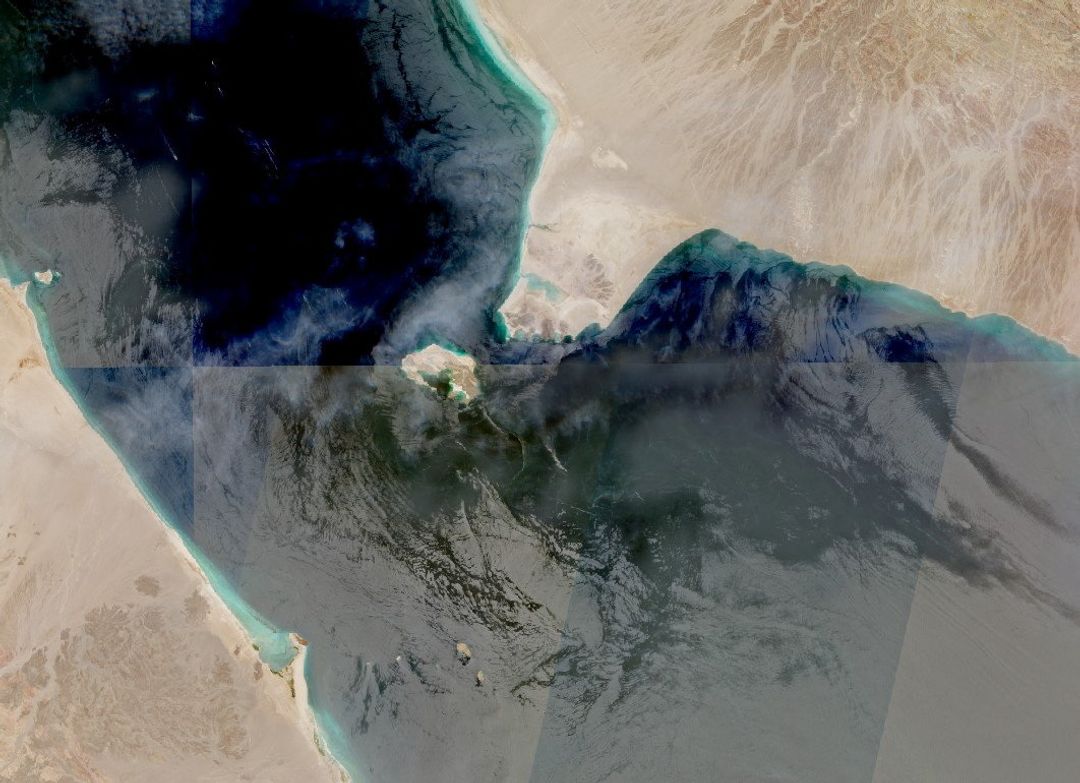
The Yemeni Houthi movement has claimed responsibility for attacking two Saudi oil tankers in the Red Sea, marking a significant escalation in regional tensions and raising concerns about the stability of global energy supply routes. The group stated that its forces used ballistic and cruise missiles, as well as drones, to strike the vessels Encelia and Layla, which it accused of violating a maritime blockade imposed on Saudi Arabia. Saudi authorities confirmed that the Encelia caught fire in the Red Sea, though all crew members were reported safe.
The Houthis’ military spokesman, Yahya Saree, asserted that the operation forced nearly 10 ships to retreat and vowed continued attacks against Saudi maritime interests. He warned that any further aggression against Yemen would trigger “major operations deep inside Saudi territory.” The group’s statement, shared via Telegram, emphasized that the strikes were a response to Saudi-led coalition actions, including a recent blockade of Houthi-controlled areas in Yemen. The Houthis also reiterated their demand that shipping companies avoid Saudi ports, threatening retaliation against those that comply.
Saudi’s Transport General Authority (TGA) confirmed the attack on the Encelia, stating that the vessel’s bow was damaged and a fire broke out during its passage in the Red Sea. The agency condemned the incident as a violation of international maritime laws and highlighted efforts to secure the ship, its crew, and the surrounding marine environment. The UK Maritime Trade Operations (UKMTO) reported that a tanker was struck by an unknown projectile approximately 70 nautical miles southwest of Al Shuqaiq, Saudi Arabia, though it did not confirm whether the Layla was also targeted. Maritime security firm Vanguard corroborated the attack on the Encelia, noting it was hit by a projectile on its starboard side.
The incident occurred amid heightened U.S.-Iran tensions, with the Trump administration launching its 12th consecutive night of strikes against Iranian military targets. These operations, aimed at countering threats to shipping in the Strait of Hormuz, have intensified following Iranian attacks on U.S. Military bases and regional infrastructure. The Houthis’ actions in the Red Sea have further complicated the security landscape, as the Bab al-Mandeb Strait — a critical chokepoint for global trade — faces renewed risks of disruption. Saudi Arabia has increasingly relied on this route to bypass Iranian-controlled areas, but the Houthis’ blockade has already led to a 34% decline in vessel traffic through the strait, according to shipping data firm Kpler.
The attacks coincide with broader geopolitical shifts. Iran has accused the U.S. Of escalating hostilities, threatening to retaliate against regional infrastructure and energy facilities if American strikes target Iranian bridges or power plants. Meanwhile, Jordan and other Gulf states have reported missile and drone attacks from Iranian forces, prompting U.S. Security alerts and military preparedness measures. The Houthis’ involvement in this volatile environment underscores their role as a proxy for Iranian interests, complicating efforts to stabilize the region.
Global oil markets have reacted to the escalating tensions, with Brent crude futures rising above $95 per barrel amid fears of supply disruptions. The Red Sea’s strategic importance as a conduit for 15% of global maritime trade amplifies the potential fallout from further attacks. Analysts warn that the Houthis’ actions could force shipping companies to reroute vessels through the Suez Canal, increasing costs and delays. The situation also raises questions about the effectiveness of international efforts to safeguard commercial shipping in conflict zones.
The Houthis’ latest strikes highlight the fragile state of regional security, with multiple actors, Iran, the U.S., Saudi Arabia, and the Houthis, competing for influence. As the U.S. Continues its military campaign against Iran and the Houthis intensify their maritime operations, the risk of broader conflict looms. The Red Sea’s stability remains a critical concern for global energy markets and geopolitical stability, with no clear resolution in sight.
How significant is this development?
Cast your anonymous vote to register reader sentiment across business and policy circles.
CurrentDeck is dedicated to independent, evidence-backed reporting. This briefing was synthesized from primary source reporting, corroborated across independent newsrooms, and verified against our Editorial Standards.