Iran launches missile attacks as US and Saudi forces strike Iraq militias
Iran launched missile attacks targeting U.S. forces in the Middle East, prompting coordinated strikes by U.S. and Saudi forces against Tehran-backed militias in Iraq amid escalating regional conflict.
- Development: Iran launches missile attacks as US and Saudi forces strike Iraq militias
- Core Takeaway: Iran launched missile attacks targeting U.S. forces in the Middle East, prompting coordinated strikes by U.S. and Saudi forces against Tehran-backed militias in Iraq amid escalating regional conflict.
- Context: Primary reporting aggregated across independent newsrooms and verified against CurrentDeck standards.
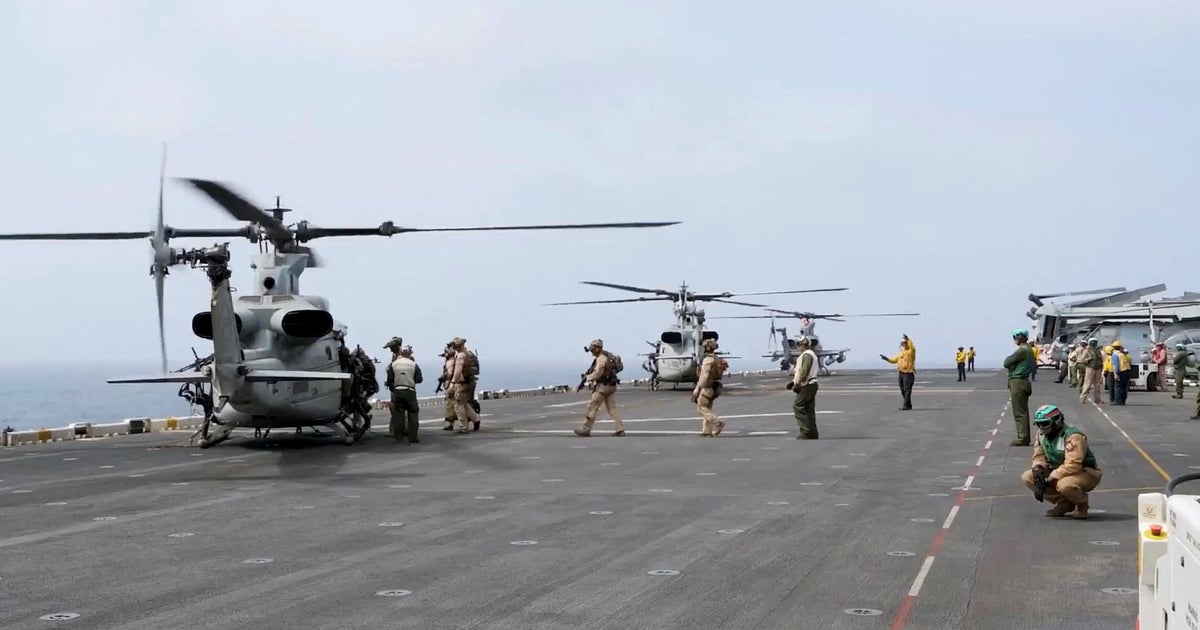
Iran launched a series of missile attacks on U.S. Forces in the Middle East, prompting a coordinated response from U.S. And Saudi Arabian military forces targeting Tehran-backed militias in Iraq. The strikes, reported across multiple outlets, mark a significant escalation in regional tensions, with implications for global energy markets and diplomatic efforts to de-escalate the conflict.
Iran’s assault involved ballistic missiles aimed at U.S. Military installations, including Jordan’s Muwaffaq Salti Air Base, a key hub for regional operations. Jordan’s military intercepted five missiles, according to statements from the country’s defense forces, though no casualties or damage were immediately reported. The U.S. Central Command confirmed that all Iranian missiles directed at American forces were intercepted, though the scale of the attack underscored the heightened risk of broader conflict.
In response, U.S. And Saudi fighter jets conducted strikes on logistics and weapons sites in eastern Iraq, targeting groups affiliated with Iran. The Popular Mobilization Forces (PMF), a coalition of Shiite militias under Iraqi command but backed by Tehran, reported at least 20 fighters killed and 32 wounded in the attacks. The PMF, which played a critical role in combating the Islamic State group in 2014, has increasingly clashed with U.S. Forces, with some factions accused of launching attacks on American bases. Iraqi President Nizar Amidi condemned the strikes as a violation of national sovereignty, while the Iraqi National Security Council criticized the timing, citing ongoing diplomatic efforts to address Saudi and American concerns.
The conflict has intensified amid broader regional instability. Saudi Arabia, which had previously conducted covert strikes against Iranian proxies, publicly joined the U.S. In the latest operations. The kingdom accused Iraqi militias of attacking its oil facilities, a claim denied by some groups but supported by others. The Houthis, an Iran-backed Yemeni militia, also targeted Saudi shipping, with reports of ballistic missile attacks on a Saudi-flagged tanker in the Red Sea. These actions have compounded fears of disruptions to global oil supplies, with Brent crude prices surging to over $87 a barrel following the latest strikes.
Tensions in the Strait of Hormuz, a critical chokepoint for global energy trade, remain unresolved. Iran has rejected an Omani proposal to jointly manage shipping traffic through the strait, insisting on maintaining control over the waterway. The Iranian Revolutionary Guards also targeted three oil tankers in the strait, defying U.S. Warnings of potential retaliatory strikes. Meanwhile, Oman and Iran continued negotiations over the strait’s governance, though no breakthroughs were reported.
Diplomatic efforts to curb the violence face challenges as both sides accuse each other of escalating hostilities. U.S. President Donald Trump reiterated threats to target Iranian infrastructure if a peace deal is not reached, while Iran’s deputy foreign minister emphasized that the strait would not return to its pre-war state. The U.S. Has also suspended strikes on Iran after 13 consecutive nights of attacks, aiming to create space for diplomacy, but the latest developments suggest the ceasefire remains fragile.
The conflict’s ripple effects extend beyond the Middle East. Ukraine’s recent strike on an Iranian vessel in the Caspian Sea, which killed one sailor, has drawn condemnation from Iran and raised concerns about the war’s spread to other fronts. Meanwhile, the European Union condemned Iran’s alleged aggression against French diplomats in Tehran, further complicating international relations. As the situation unfolds, the region’s stability hangs in the balance, with global markets and diplomatic channels bracing for further escalation.
How significant is this development?
Cast your anonymous vote to register reader sentiment across business and policy circles.
CurrentDeck is dedicated to independent, evidence-backed reporting. This briefing was synthesized from primary source reporting, corroborated across independent newsrooms, and verified against our Editorial Standards.