Iran Says Strait of Hormuz Will Not Reopen Until Seven Conditions Are Met
Iran stated that the Strait of Hormuz will stay closed until seven conditions from a June interim agreement are fulfilled, as indirect talks with the US continue.
- Development: Iran Says Strait of Hormuz Will Not Reopen Until Seven Conditions Are Met
- Core Takeaway: Iran stated that the Strait of Hormuz will stay closed until seven conditions from a June interim agreement are fulfilled, as indirect talks with the US continue.
- Context: Primary reporting aggregated across independent newsrooms and verified against CurrentDeck standards.
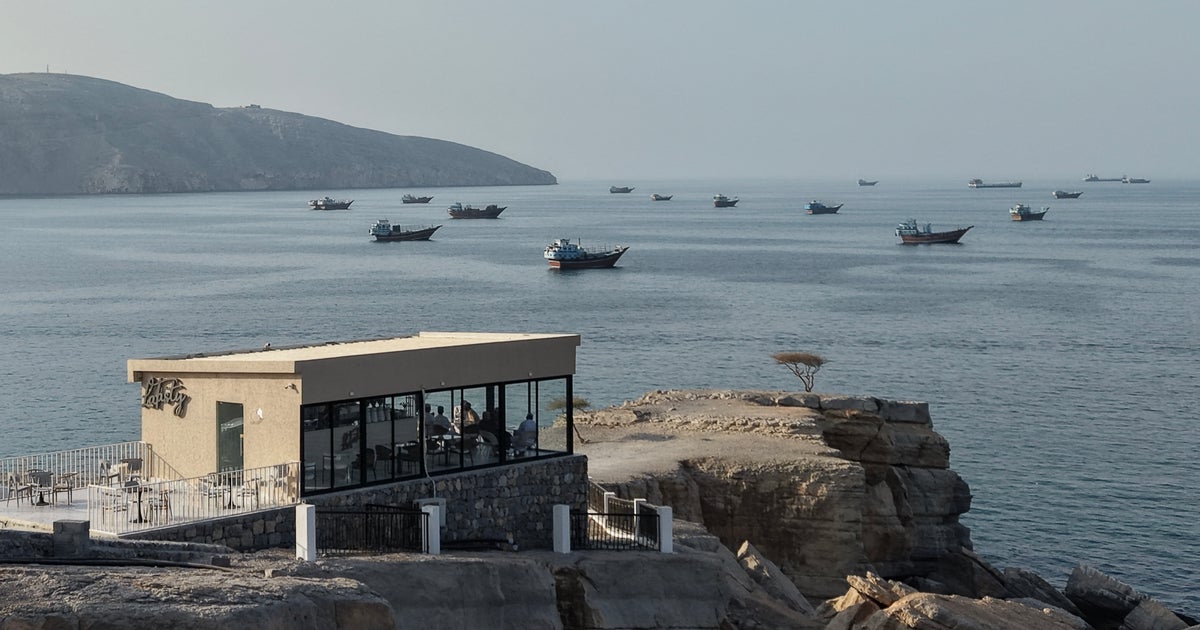
The Strait of Hormuz will not reopen until seven Iranian conditions set out in a June interim agreement with the United States are met, according to state media reports on Sunday, October 4, 2026. The announcement by Iran's parliament speaker, Mohammad Baqer Qalibaf, marks a firm stance in ongoing indirect negotiations mediated by Qatar.
Mohammad Baqer Qalibaf and Esmaeil Baghaei Outlining Tehran's Position
Parliament Speaker Mohammad Baqer Qalibaf, serving as Iran's top negotiator, stated that Washington must alter its approach to the diplomatic deadlock. According to reports from Dubai, Qalibaf emphasized that the period of dragging out the diplomatic process and dictating one-sided demands has ended. He reaffirmed that the Islamic Republic's position is clear and that the waterway will stay shut until the seven conditions based on the Islamabad Memorandum of Understanding are satisfied.
| Detail | Information |
|---|---|
| Date of Announcement | Sunday, October 4, 2026 |
| Announced By | Mohammad Baqer Qalibaf (Parliament Speaker and Chief Negotiator) |
| Core Requirement | Seven conditions under the Islamabad Memorandum of Understanding |
| Proposed Reopening Timeline | Within seven days if conditions are met |
| Mediator | Qatar |
Foreign Ministry spokesperson Esmaeil Baghaei stated that Tehran communicated its broad positions regarding the US response through intermediaries, while noting that additional points still need to be conveyed to Washington. Baghaei also denied that Iran offered international inspections of its nuclear facilities in exchange for sanctions relief, clarifying that Tehran had not entered into nuclear discussions with Washington at this stage.
Abbas Araqchi and Mohammad Akraminia Warning of Military Preparedness
Foreign Minister Abbas Araqchi addressed foreign ambassadors and diplomats in Tehran, expressing hope that Washington would choose diplomacy over confrontation. However, Araqchi issued a direct warning regarding potential escalation. If they again move towards military solutions, we are more prepared than before and will take whatever action is necessary to defend ourselves,
Araqchi said on Sunday.
Complementing the diplomatic messaging, army spokesperson Mohammad Akraminia told Fars news agency on Sunday that Iran would upgrade the range of its missiles, drawing lessons from the conflict that began at the end of February following US and Israeli attacks.
| Detail | Information |
|---|---|
| Foreign Minister | Abbas Araqchi |
| Army Spokesperson | Mohammad Akraminia |
| Stated Defense Posture | Prepared to respond to military action; upgrading missile range |
| Energy Significance | Strait of Hormuz is conduit for a fifth of global oil and LNG |
Frequently Asked Questions
What are Iran's demands for reopening the Strait of Hormuz?
Iran insists that seven conditions outlined in the Islamabad Memorandum of Understanding must be met before maritime passage through the Strait of Hormuz can resume.
Who is mediating the talks between Iran and the United States?
Qatar has been shuttling messages between Washington and Tehran in an effort to end the conflict and reopen the Strait of Hormuz.
Has Iran agreed to nuclear negotiations in exchange for sanctions relief?
No. Iranian officials, including Foreign Ministry spokesperson Esmaeil Baghaei, denied reports that Tehran offered nuclear inspections in exchange for sanctions relief, stating that Iran had not entered into nuclear discussions with Washington.
As Qatari intermediaries continue to carry messages between Washington and Tehran, the immediate diplomatic focus centers on whether mediators can bridge remaining disagreements over the sequencing of the proposed trust-building measures, leaving international energy markets and shipping routes awaiting further developments.
How significant is this development?
Cast your anonymous vote to register reader sentiment across business and policy circles.
CurrentDeck is dedicated to independent, evidence-backed reporting. This briefing was synthesized from primary source reporting, corroborated across independent newsrooms, and verified against our Editorial Standards.