Lindsay Clancy murder trial features testimony from first responders
First responders detailed the harrowing scene at the Duxbury home of Lindsay Clancy on the third day of her murder trial, describing the urgent efforts to save her three children.
- Development: Lindsay Clancy murder trial features testimony from first responders
- Core Takeaway: First responders detailed the harrowing scene at the Duxbury home of Lindsay Clancy on the third day of her murder trial, describing the urgent efforts to save her three children.
- Context: Primary reporting aggregated across independent newsrooms and verified against CurrentDeck standards.
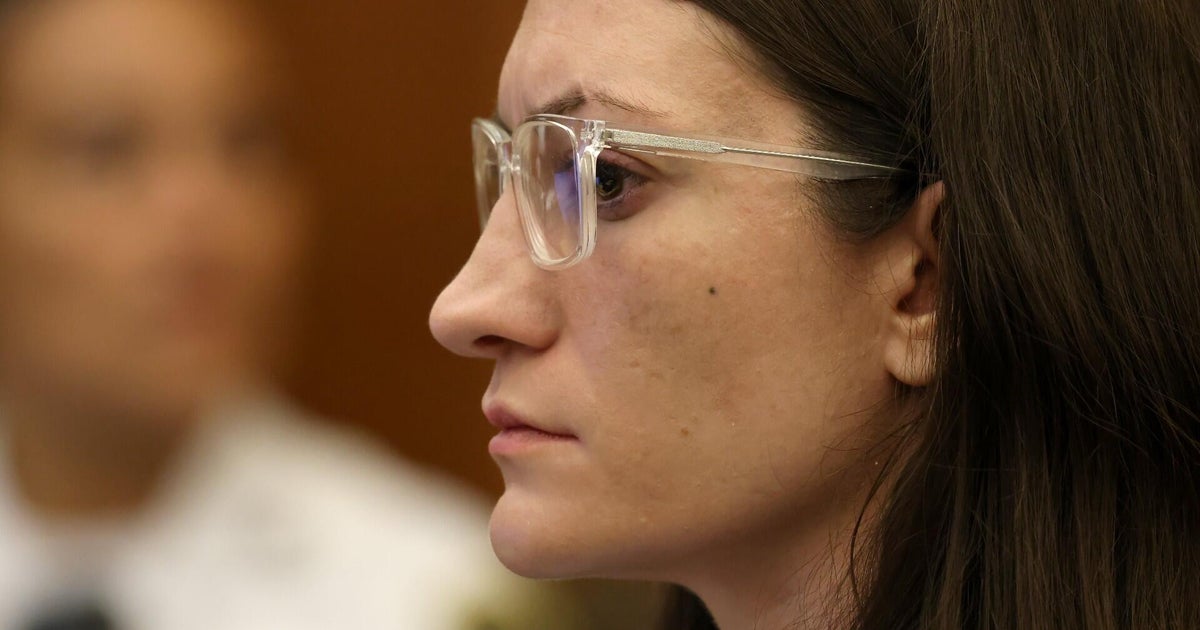
The Lindsay Clancy murder trial entered its third day as first responders detailed the harrowing scene at her Duxbury, Massachusetts, home on January 24, 2023, where she allegedly killed her three young children. Ten emergency personnel testified over a shortened court session, describing a “chaotic” environment marked by urgent medical efforts and grim discoveries.
First responders, including firefighters, paramedics, and police officers, recounted arriving to find the children in critical condition. Duxbury firefighter Patrick Dwyer described 5-year-old Cora as pale and unresponsive, while paramedic Jennifer Stratton rushed to assist 8-month-old Callan and Cora, later calling for additional ambulances. Dwyer and Stratton described the children’s bodies as “lifeless” upon arrival, with no signs of breathing or movement. Duxbury fire captain Keith Nette testified that one child, 3-year-old Dawson, was receiving CPR when he arrived, later learning the boy had been strangled with an exercise band.
Paramedic PJ Hussey, who entered the basement of the Clancy home, described discovering Patrick Clancy, Lindsay’s then-husband, unwrapping what appeared to be a child’s head covering. Hussey called for additional personnel, emphasizing the scale of the crisis. Duxbury police officer Brian Josephine, who arrived on scene, recounted hearing Patrick Clancy scream from the basement, shouting, “She killed the f-----g kids.” Josephine and officer Stephen Hall described finding Lindsay Clancy injured on the ground after she had jumped from a window, with cuts to her wrists and neck.
The prosecution’s case relied heavily on the first responders’ accounts of the children’s injuries and the scene’s disarray. However, defense attorney Kevin Reddington challenged some details during cross-examinations. He questioned whether the lack of visible blood on the children’s necks and wrists indicated superficial injuries, as prosecutors had described. Reddington also highlighted that firefighter Robert Costanzo, who administered Narcan to Lindsay Clancy after she jumped from the window, did not know she had suffered a spinal fracture at the time.
Judge William Sullivan sent the jury home early on Thursday, citing unresolved legal matters between attorneys. The court session, which typically ends at 4 p.m., concluded around noon. The judge noted that proceedings were ahead of schedule, though no further details were provided about the pending issues. The jury is set to visit the Clancy family’s former home on Friday, inspecting the basement, first floor, and second floor under strict restrictions to avoid disturbing evidence.
Lindsay Clancy, who has pleaded not guilty to three counts of first-degree murder, faces potential life imprisonment if convicted. If found not criminally responsible, she would be committed to a state mental health facility. The trial has drawn significant public attention, with the prosecution emphasizing the brutality of the crime and the defense focusing on questions about Clancy’s state of mind and the circumstances surrounding the children’s deaths.
The testimony of first responders underscored the urgency and trauma of the night, with multiple witnesses describing the scene as “chaotic” and “difficult to process.” The defense’s cross-examinations sought to cast doubt on the prosecution’s narrative, while the jury’s upcoming visit to the crime scene may provide further context for their deliberations.
How significant is this development?
Cast your anonymous vote to register reader sentiment across business and policy circles.
CurrentDeck is dedicated to independent, evidence-backed reporting. This briefing was synthesized from primary source reporting, corroborated across independent newsrooms, and verified against our Editorial Standards.