Tourist plane crash in Peru kills 13 near Nazca Lines
All 13 people on board were killed when a tourist sightseeing flight crashed in an agricultural field near Peru's UNESCO-listed Nazca Lines.
- Development: Tourist plane crash in Peru kills 13 near Nazca Lines
- Core Takeaway: All 13 people on board were killed when a tourist sightseeing flight crashed in an agricultural field near Peru's UNESCO-listed Nazca Lines.
- Context: Primary reporting aggregated across independent newsrooms and verified against CurrentDeck standards.
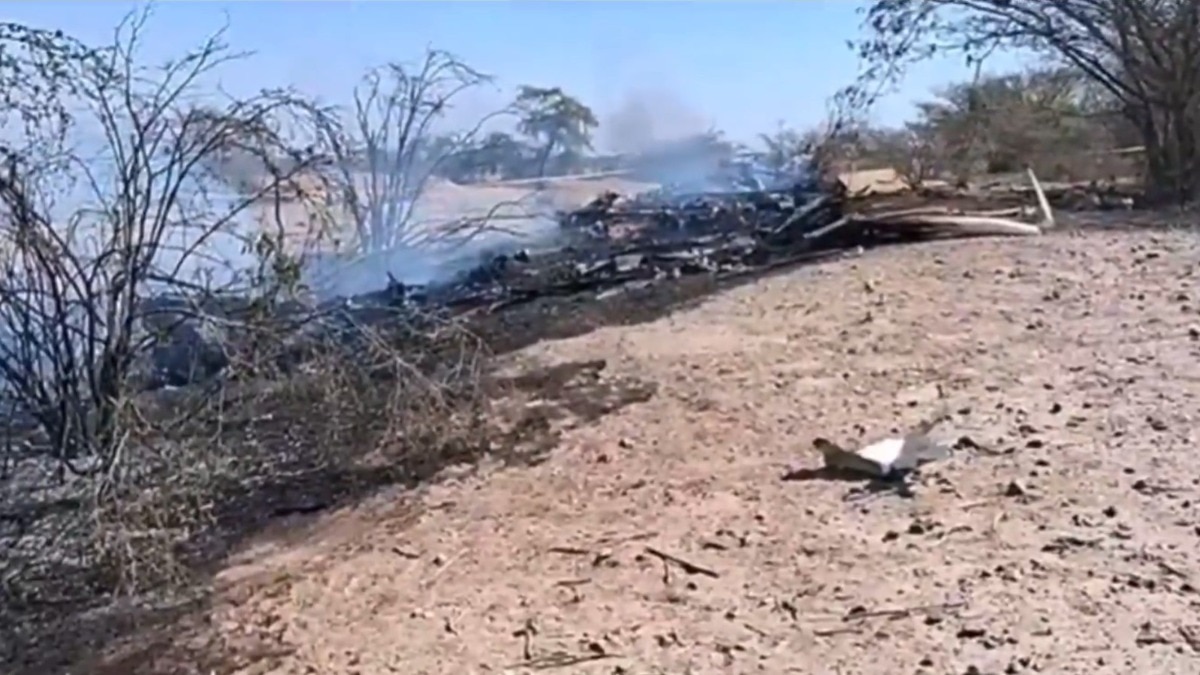
A tourist plane crashed near Peru’s Nazca Lines on Saturday, killing all 13 people on board, authorities confirmed. The incident occurred shortly after the aircraft departed from Pisco Airport, en route to the UNESCO World Heritage site, and marked one of the deadliest aviation disasters involving a tourist flight in the country in recent years.
The plane, identified as a Cessna Grand Caravan operated by Peruvian airline Aerodiana, crashed in an agricultural field in the Pueblo Viejo sector, approximately six kilometers from the city of Nazca. Local authorities reported no survivors, with four bodies recovered at the scene. Police Major Jorge Andrade, speaking at the crash site, stated that 11 passengers and two crew members had died, though he did not immediately disclose the victims’ identities or nationalities.
Timeline of the Crash
The flight, which had departed from Pisco Airport at around 1:00 p.m. Local time, lost contact with air traffic control shortly after takeoff. The aircraft crashed approximately 12 kilometers from the Nazca Lines, in an arid plain where videos shared on social media showed smoking wreckage scattered across the terrain. Emergency crews reported that the plane caught fire upon impact, complicating recovery efforts.
The crash occurred on August 1, 2026, and was first reported by local media outlets. Peruvian state broadcaster TVPeru and regional news outlets confirmed the fatalities, while the civil aviation authority launched an investigation into the cause. No preliminary findings have been released, and officials have not yet determined whether mechanical failure, weather conditions, or pilot error contributed to the accident.
Official Response and Investigation
Aerodiana, the airline operating the flight, has not publicly commented on the crash. The company, which has specialized in sightseeing tours over the Nazca desert for 14 years, has no recorded history of fatal commercial passenger accidents, according to reports. However, investigators are expected to review the airline’s safety protocols and the aircraft’s maintenance records as part of the inquiry.
Peru’s civil aviation authority has initiated a formal investigation, though no timeline for a preliminary report has been announced. The crash site remains under examination, with recovery efforts ongoing. Authorities have not yet disclosed the nationalities of the victims, though previous incidents in the region have involved international tourists.
The Nazca Lines, a series of ancient geoglyphs etched into the desert, draw approximately 100,000 visitors annually. Sightseeing flights over the site have been a staple of tourism in the region for decades, despite past safety concerns. In 2022, seven people died in a separate plane crash near the Nazca Lines, and in 2010, a similar accident claimed six lives, including four British tourists.
Context and Implications
The crash has reignited debates about aviation safety in Peru’s tourist corridors, particularly for small aircraft operating in remote desert areas. While regulatory measures introduced after a series of accidents in the 2000s improved oversight, the industry remains reliant on older aircraft models like the Cessna Grand Caravan, which are known for their ability to operate from short airstrips but have faced scrutiny in other regions.
Local authorities have not yet addressed whether the crash could prompt new safety measures or restrictions on sightseeing flights. Meanwhile, families of the victims and tourism officials are awaiting further updates. The incident underscores the risks associated with aerial tourism in regions where ground-based access to landmarks is limited, and where weather conditions and terrain can complicate emergency responses.
As the investigation continues, the focus will remain on determining the cause of the crash and preventing similar tragedies. For now, the crash serves as a stark reminder of the vulnerabilities in aviation systems that cater to high-demand tourist destinations.
How significant is this development?
Cast your anonymous vote to register reader sentiment across business and policy circles.
CurrentDeck is dedicated to independent, evidence-backed reporting. This briefing was synthesized from primary source reporting, corroborated across independent newsrooms, and verified against our Editorial Standards.