SpaceX Starship reaches orbit
SpaceX Starship reaches orbit
- Development: SpaceX Starship reaches orbit
- Core Takeaway: SpaceX Starship reaches orbit
- Context: Primary reporting aggregated across independent newsrooms and verified against CurrentDeck standards.
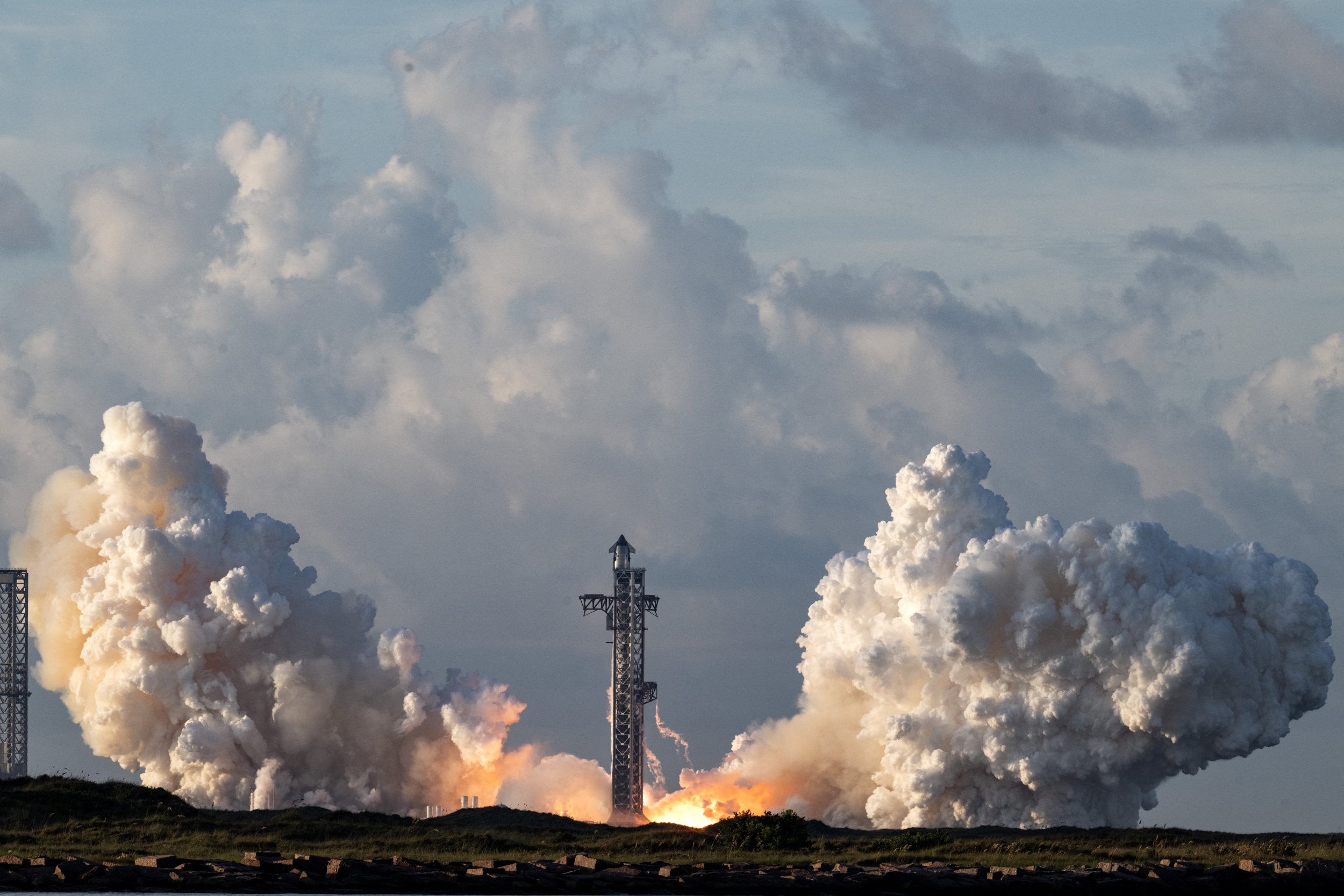
SpaceX's Starship Reaches Orbit
SpaceX's Starship rocket has reached orbit for the first time, marking a significant milestone for the company's ambitious space program. The rocket, which is the largest and most powerful ever built, lifted off from Starbase in Texas and carried 26 Starlink V3 satellites into orbit, as reported by latintimes.com and indiatoday.in. The mission was designed to test the rocket's capabilities and pave the way for future lunar missions. The Starship rocket is a crucial part of SpaceX's plans to send humans to the moon and eventually to Mars. The company has been testing the rocket's systems and capabilities through a series of suborbital flights, but this latest mission marked the first time the rocket had reached orbit. The successful deployment of the Starlink satellites is a significant milestone for SpaceX's commercial ambitions, as it demonstrates the company's ability to launch and deploy multiple satellites into orbit.Mission Details
The mission began with a successful liftoff from Starbase in Texas, with the Starship rocket lifting off at approximately 7:48 a.m. Central time, as reported by latintimes.com. The rocket's Super Heavy booster and its 33 engines propelled the ship stage into orbit, with the ship stage separating from the booster approximately two and a half minutes into the flight. The ship stage then continued to climb, reaching an altitude of approximately 170 miles. The mission was not without its challenges, however. Approximately 22 minutes into the flight, one of the ship's six engines shut down earlier than planned, prompting concerns that the mission might be aborted, as reported by latintimes.com. However, after a tense few minutes, engineers confirmed that the remaining engines could compensate, and the mission continued. The Starlink satellites were deployed approximately 34 minutes after liftoff, with the deployment taking approximately half an hour to complete, according to latintimes.com. SpaceX later reported that all 26 satellites were operating normally once in orbit.Engine Issue and Early Splashdown
Despite the successful deployment of the Starlink satellites, the mission was cut short due to an engine issue. The ship splashed down in the North Pacific approximately three hours after liftoff, rather than the planned ten hours, as reported by latintimes.com and bluewin.ch. SpaceX has not stated whether the shortened timeline was due to a precaution related to the engine loss or a separate decision made once the mission's core objectives had been met. The Super Heavy booster also experienced an issue, with only 31 of its 33 engines relighting for its guided return to the Gulf of Mexico, as reported by latintimes.com. This detail is significant for SpaceX, as the company is working to make booster reuse routine rather than exceptional.Commercial Implications
The successful deployment of the Starlink satellites has significant implications for SpaceX's commercial ambitions. The company is working to establish a constellation of thousands of satellites in low Earth orbit, which will provide broadband internet services to customers around the world, as noted by finance.yahoo.com. The Starlink V3 satellites are the newest and most capable version of SpaceX's broadband hardware, with each satellite designed to provide one terabit per second of downlink capacity and 160 gigabits per second of uplink capacity. The financial opportunity for SpaceX is significant, with Bernstein analyst Douglas Harned estimating potential annual revenue of $64 billion from Starlink's residential broadband business alone by 2031, as reported by finance.yahoo.com. However, the company still faces significant challenges in terms of subscriber growth, revenue per customer, and cash margins.Future Plans
SpaceX is pushing to get Starship certified for orbital flight, which is a crucial step for future missions to the moon and Mars. The company is working with NASA on the Artemis program, which aims to return humans to the moon by 2028, as reported by indiatoday.in. SpaceX's Starship is one of the vehicles being considered for the mission, along with Blue Origin's Blue Moon lander. The next step for SpaceX will be to analyze the data from the recent mission and determine the cause of the engine issue. The company has not announced a date for its next Starship flight, but it is likely to be a crucial test of the rocket's capabilities and reliability.| Detail | Information |
|---|---|
| Altitude | Approximately 170 miles |
| Number of Starlink satellites | 26 |
| Downlink capacity per satellite | One terabit per second |
| Uplink capacity per satellite | 160 gigabits per second |
Frequently Asked Questions
What was the purpose of the recent Starship mission?
The purpose of the mission was to test the Starship rocket's capabilities and pave the way for future lunar missions, as reported by latintimes.com.
What was the outcome of the mission?
The mission was successful in deploying the Starlink satellites, but it was cut short due to an engine issue, as reported by latintimes.com and bluewin.ch.
What are the commercial implications of the successful deployment of the Starlink satellites?
The successful deployment of the Starlink satellites has significant implications for SpaceX's commercial ambitions, as it demonstrates the company's ability to launch and deploy multiple satellites into orbit, as noted by finance.yahoo.com.
How significant is this development?
Cast your anonymous vote to register reader sentiment across business and policy circles.
CurrentDeck is dedicated to independent, evidence-backed reporting. This briefing was synthesized from primary source reporting, corroborated across independent newsrooms, and verified against our Editorial Standards.