Trump threatens to bomb a bridge or power plant for every ship attacked
President Trump has vowed to destroy critical Iranian infrastructure for every vessel targeted in the Strait of Hormuz as regional tensions surge.
- Development: Trump threatens to bomb a bridge or power plant for every ship attacked
- Core Takeaway: President Trump has vowed to destroy critical Iranian infrastructure for every vessel targeted in the Strait of Hormuz as regional tensions surge.
- Context: Primary reporting aggregated across independent newsrooms and verified against CurrentDeck standards.
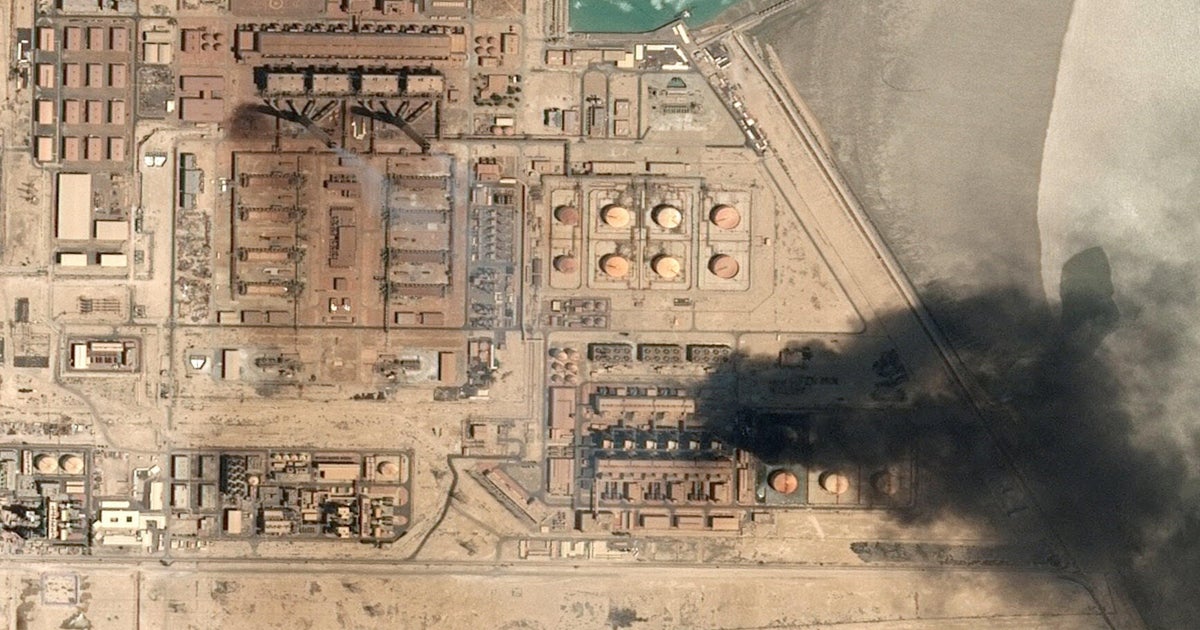
President Donald Trump has threatened to bomb Iranian bridges or power plants for every ship attacked in the Strait of Hormuz, a critical maritime chokepoint. The warning, issued via Truth Social on July 22, 2026, came as the U.S. Military reiterated its claim that the strait remains open for commercial traffic despite Iranian aggression. The statement marked an escalation in the conflict, which has seen Iran launch more than 30 attacks on commercial vessels since the war began, according to U.S. Central Command.
“From this point forward, any time the Islamic Republic of Iran shoots at a ship in the Strait of Hormuz, whether it be by missile, rocket, drone, or any other device or weapon, the United States will bomb and destroy ONE BRIDGE OR POWER PLANT, including those located next to, or in, the Capital City of Tehran,” Trump wrote. The threat was delivered hours before he attended a dignified transfer of U.S. Soldiers killed in Iranian strikes, including three service members who died in an attack on a Jordanian air base and one killed during a drone detonation in Iraq.
The U.S. Military has repeatedly asserted that the Strait of Hormuz remains open, despite Iran’s attacks. However, commercial traffic has plummeted, with the Joint Maritime Information Center in Bahrain reporting a three-week low in vessel transits. Ship operators, citing safety concerns, have largely avoided the waterway, even as the U.S. Encourages a southern route through Oman. “There’s nothing physically obstructing the navigation of any vessel willing to transit the strait,” said Dimitris Maniatis, CEO of Marisks, a maritime risk management firm. “But large ocean-going vessels aren’t going through.”
Iran has responded with its own threats, warning that any U.S. Strikes on bridges or power plants would prompt retaliatory attacks on regional infrastructure. A semi-official Iranian military source, cited by Tasnim news agency, stated that Tehran would “strike infrastructure and bridges across the region, including energy facilities in which the United States has interests.” The Islamic Revolutionary Guard Corps (IRGC) also claimed to have targeted U.S. Bases in Jordan, though neither the U.S. Nor Jordan confirmed the reports. Earlier in the week, Iran had struck the Muwaffaq Salti Air Base, killing three U.S. Soldiers, and launched missile attacks on Jordanian airspace, which the kingdom intercepted.
The conflict has had severe economic repercussions. Oil prices surged over 4% on July 22, with Brent crude briefly exceeding $95 per barrel, a $20 increase since attacks resumed in mid-July. Analysts warned that further disruptions, particularly in the Bab el-Mandeb Strait where Yemen’s Houthi rebels have threatened to block shipping, could push prices beyond $100. “If we actually have a closed Red Sea, that’s a threat,” said Jay Hatfield of Infrastructure Capital Management. “We haven’t seen that yet. That could shoot us over $100.”
Meanwhile, the U.S. And Saudi Arabia announced a commercial agreement for American companies to operate nuclear power on Saudi soil, a move aimed at bolstering regional energy security. The deal, expected to be signed later that day, includes potential fuel enrichment for Saudi reactors. However, the broader conflict has strained alliances, with Pakistan condemning Iran’s attempts to draw Saudi Arabia into the war and warning that attacks on Pakistani-flagged vessels would be treated as “a grave threat to national security.”
The violence has also intensified diplomatic efforts. Italy announced plans for a seventh round of U.S.-brokered talks between Israel and Lebanon, aimed at securing a peace deal to end hostilities with Iran-backed Hezbollah. However, Hezbollah has rejected previous agreements, calling Lebanese participation “appeasement.” In the meantime, the U.S. Continues its 11th consecutive night of strikes on Iranian targets, focusing on military logistics infrastructure in the Strait of Hormuz. CENTCOM stated the operations aim to “degrade Iran’s ability to threaten commercial shipping,” even as Iran claims control of the strait as “the heart of Iran.”
Trump’s threats have drawn sharp criticism from within the U.S. Political sphere. Republican Sen. Rand Paul, a vocal opponent of the war, called it “a quagmire” and urged Congress to reclaim authority over military actions. “The Constitution is pretty clear that we should always ask for the people’s approval through the Congress,” he said, arguing that the war has left the U.S. In a worse position than before. Meanwhile, Iran’s parliament dismissed Trump’s claims of seeking negotiations as “completely unfounded,” accusing the administration of “repeated falsehoods” that erode market confidence.
How significant is this development?
Cast your anonymous vote to register reader sentiment across business and policy circles.
CurrentDeck is dedicated to independent, evidence-backed reporting. This briefing was synthesized from primary source reporting, corroborated across independent newsrooms, and verified against our Editorial Standards.