Tung Chee-hwa, Hong Kong’s first chief executive, dies at 89
Tung Chee-hwa, Hong Kong’s first chief executive, dies at 89
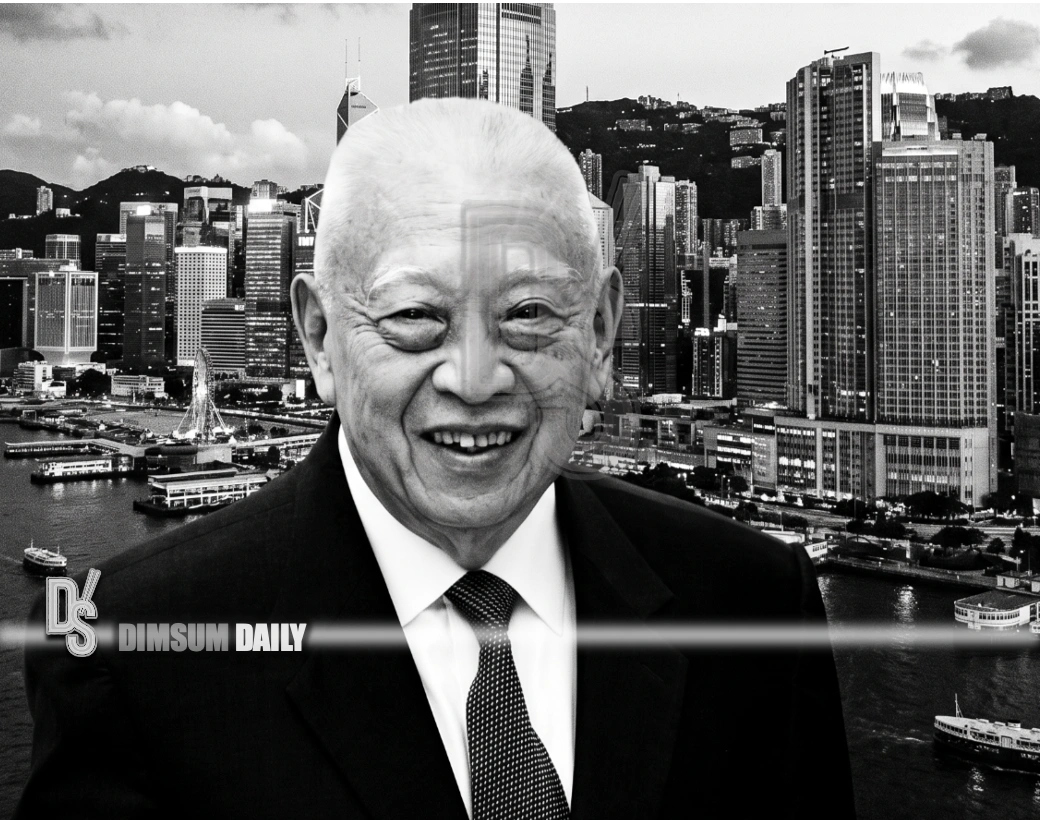
Tung Chee-hwa's Life and Career
Tung Chee-hwa was born in Shanghai in 1937, as stated by dimsumdaily.hk and straitstimes.com. He moved to Hong Kong with his family in 1949, as reported by dimsumdaily.hk. Tung studied marine engineering at the University of Liverpool and later worked in the United States before returning to Hong Kong to join the family business in 1969.Rise to Prominence
Tung's rise to prominence began in the 1990s when he served on the Basic Law Consultative Committee and was appointed to the Chinese People's Political Consultative Conference in 1993, as mentioned by dimsumdaily.hk and chinadaily.com.cn. In 1992, he was appointed an unofficial member of the Executive Council by the last British governor, Chris Patten. Tung's relationship with the Chinese government, particularly with then-President Jiang Zemin, played a significant role in his appointment as the first chief executive of Hong Kong in 1997, as reported by dimsumdaily.hk.Tenure as Chief Executive
Tung's tenure as chief executive was marked by significant challenges, including the Asian financial crisis, the SARS outbreak, and mass protests against proposed national security laws, as stated by straitstimes.com and channelnewsasia.com. Despite these challenges, Tung introduced several key initiatives, including the Principal Officials Accountability System, and helped lay the groundwork for major cultural developments such as the West Kowloon Cultural District, as mentioned by chinadaily.com.cn.| Event | Date |
|---|---|
| Asian financial crisis | 1997-1998 |
| SARS outbreak | 2003 |
| Mass protests against national security laws | 2003 |
| Introduction of Principal Officials Accountability System | 2002 |
| West Kowloon Cultural District development | 2000s |
Resignation and Later Life
Tung resigned as chief executive in 2005, citing poor health, and was replaced by his deputy, Donald Tsang, as reported by straitstimes.com and dimsumdaily.hk. After his resignation, Tung continued to serve as a vice-chairman of the Chinese People's Political Consultative Conference until 2023, as stated by straitstimes.com and chinadaily.com.cn. He also founded the China-United States Exchange Foundation in 2008 and the Our Hong Kong Foundation in 2014, as mentioned by straitstimes.com and chinadaily.com.cn.Legacy
Tung's legacy is complex and complex. He is remembered for his role in implementing the "one country, two systems" framework in Hong Kong and for his efforts to promote understanding between China and the United States, as stated by chinadaily.com.cn and straitstimes.com. However, his tenure was also marked by significant challenges and controversies, including the handling of the SARS outbreak and the proposed national security laws.Frequently Asked Questions
What was Tung Chee-hwa's role in Hong Kong's transition from British colonial rule to Chinese rule?
Tung Chee-hwa served as the first chief executive of Hong Kong after the city's return to Chinese rule in 1997, overseeing the transition and implementing the "one country, two systems" framework, as mentioned by chinadaily.com.cn and straitstimes.com.
What were some of the significant challenges faced by Tung Chee-hwa during his tenure as chief executive?
Tung faced several significant challenges, including the Asian financial crisis, the SARS outbreak, and mass protests against proposed national security laws, as reported by straitstimes.com and channelnewsasia.com.
What is Tung Chee-hwa's legacy in Hong Kong and beyond?
Tung's legacy is complex and complex, marked by both significant achievements and challenges. He is remembered for his role in implementing the "one country, two systems" framework and for his efforts to promote understanding between China and the United States, as stated by chinadaily.com.cn and straitstimes.com.
CurrentDeck is dedicated to independent, evidence-backed reporting. This briefing was synthesized from primary source reporting, corroborated across independent newsrooms, and verified against our Editorial Standards.