Typhoon Dolphin hits China's east coast, over 1 million evacuated
Typhoon Dolphin has made landfall on China's densely populated east coast, bringing torrential rain, strong winds, and the evacuation of over one million residents.
- Development: Typhoon Dolphin hits China's east coast, over 1 million evacuated
- Core Takeaway: Typhoon Dolphin has made landfall on China's densely populated east coast, bringing torrential rain, strong winds, and the evacuation of over one million residents.
- Context: Primary reporting aggregated across independent newsrooms and verified against CurrentDeck standards.
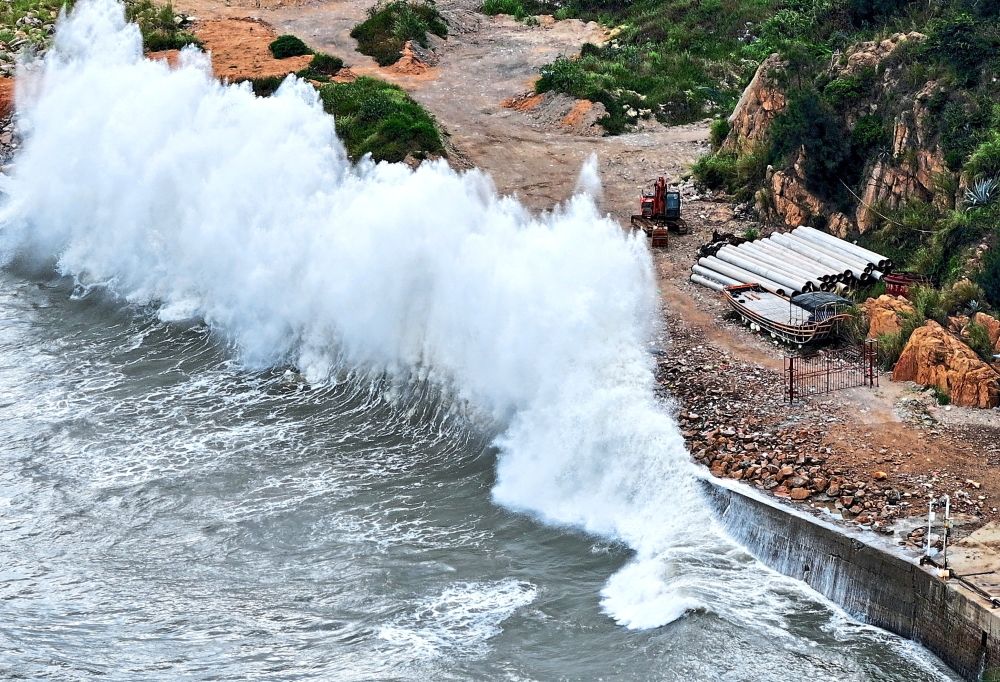
Typhoon Dolphin hits China's east coast, over 1 million evacuated
Typhoon Dolphin made landfall in the densely populated east coast of China, bringing torrential rain and strong winds, and triggering warnings of flooding and landslides. According to China's National Meteorological Centre, the centre of the typhoon moved over the coastline near Yuhuan City in Zhejiang Province at about 5:30 pm, with maximum wind speeds near the centre of more than 150 kilometres per hour.The storm packed maximum sustained winds of 42 metres per second near its centre at landfall, equivalent to a Category 1 hurricane on the Saffir-Simpson scale, as reported by CNBC. Authorities had moved offshore workers to safety, ordered vessels back to port, and increased checks at reservoirs, mountain streams, landslide-prone areas, construction sites, and tourist locations.
Torrential rain is forecast across Zhejiang, Shanghai, northern Fujian, northeastern Jiangxi, central and southern Anhui, and much of Jiangsu, with parts of central and eastern Zhejiang expected to receive 250-500 mm of rain, as forecasted by thestar.com.my and gdnonline.com.
The effects of the typhoon were felt as far away as Hong Kong, where the weather observatory posted a record high temperature of 36.9°C, caused by warm air pushed over the city by Typhoon Dolphin, as reported by ABC News (AU) and Euronews. The Hong Kong Observatory warned that the storm's outer subsiding air would persistently bring extremely hot weather to the territory.
In Taiwan, dozens of ferry services were suspended, and more than 180 flights were cancelled as the storm brought downpours and strong winds to the island's north, according to thestar.com.my. Seven people in Okinawa suffered minor injuries, including a man aged over 100 who was blown over by gusts, fell to the ground, and hit his head.
China's NMC issued a red typhoon alert, its most severe warning, forecasting "extraordinary torrential rain" in some areas of central and eastern Zhejiang, as reported by thestar.com.my and gdnonline.com. Heavy precipitation is also expected to fall in Shanghai and parts of Fujian, Anhui, and Jiangsu provinces through Monday afternoon.
The typhoon has triggered mass evacuations and widespread transport disruptions across eastern China, with more than 1 million people moved to safety. In addition to evacuating at least 30,300 people, Shanghai has cancelled about 1,500 flights, according to flight-tracking data provider VariFlight, as reported by CNBC. The city of Wenzhou relocated more than 900,000 residents and opened more than 1,000 emergency shelters.
In Fujian province, authorities evacuated 98,900 people from high-risk areas after raising the typhoon emergency response to Level III, according to gdnonline.com. Zhejiang, Shanghai, and Jiangsu have also activated Level III emergency responses. Fujian maritime authorities said 55 coastal passenger ferry routes had been suspended, all 115 offshore construction projects halted, and 290 construction vessels moved to sheltered waters.
Transport Disruptions
The typhoon has caused widespread transport disruptions across eastern China, with thousands of flights cancelled and ferry services suspended. In Shanghai, nearly 1,400 flights in and out of the city's two main passenger airports were cancelled on Sunday, state broadcaster CCTV reported, as mentioned in ABC News (AU) and Euronews. Hangzhou's airport in nearby Zhejiang province saw 270 inbound and outbound flights cancelled.Some train services in affected areas were also suspended on Sunday to ensure passenger safety, state media reported. The city's maritime safety administration said that Shanghai's Yangshan port had cleared ships from its berths and moved more than 500 small and medium-sized vessels to shelter ahead of Dolphin.
Evacuations and Emergency Responses
The typhoon has triggered mass evacuations across eastern China, with more than 1 million people moved to safety. In Zhejiang province, the city of Wenzhou relocated more than 900,000 residents and opened more than 1,000 emergency shelters. In Fujian province, authorities evacuated 98,900 people from high-risk areas after raising the typhoon emergency response to Level III.Zhejiang, Shanghai, and Jiangsu have also activated Level III emergency responses. Fujian maritime authorities said 55 coastal passenger ferry routes had been suspended, all 115 offshore construction projects halted, and 290 construction vessels moved to sheltered waters.
The water resources ministry warned that the Qiantang, Yong, Jiao, and Shuiyang rivers could see major flooding, while smaller rivers in the hardest-hit areas could rise above warning levels. Authorities warned of a high risk of geological disasters in parts of Zhejiang, while residents in areas covered by a red mountain torrent warning were told to follow local evacuation orders.
As the storm continues to move inland, residents are advised to remain vigilant and follow evacuation orders to ensure their safety. The Chinese government has activated emergency responses and is working to minimize the impact of the typhoon on the affected areas.
Typhoon Dolphin's arrival in China comes two weeks after Typhoon Noul lashed southern Guangdong province, declared by authorities at the time as the strongest storm to hit China this year, as reported by ABC News (AU) and Euronews. Three people were killed, and hundreds of homes were damaged by Typhoon Noul in the Philippines before it reached China.
The storm is expected to weaken after making landfall while moving in a northwesterly direction over eastern China, according to gdnonline.com. However, the risk of flooding and landslides remains high, especially in mountainous areas and along smaller rivers. Residents are advised to follow evacuation orders and take necessary precautions to ensure their safety.
How significant is this development?
Cast your anonymous vote to register reader sentiment across business and policy circles.
CurrentDeck is dedicated to independent, evidence-backed reporting. This briefing was synthesized from primary source reporting, corroborated across independent newsrooms, and verified against our Editorial Standards.