US military confirms first deployment of weapons in space
US military confirms first deployment of weapons in space
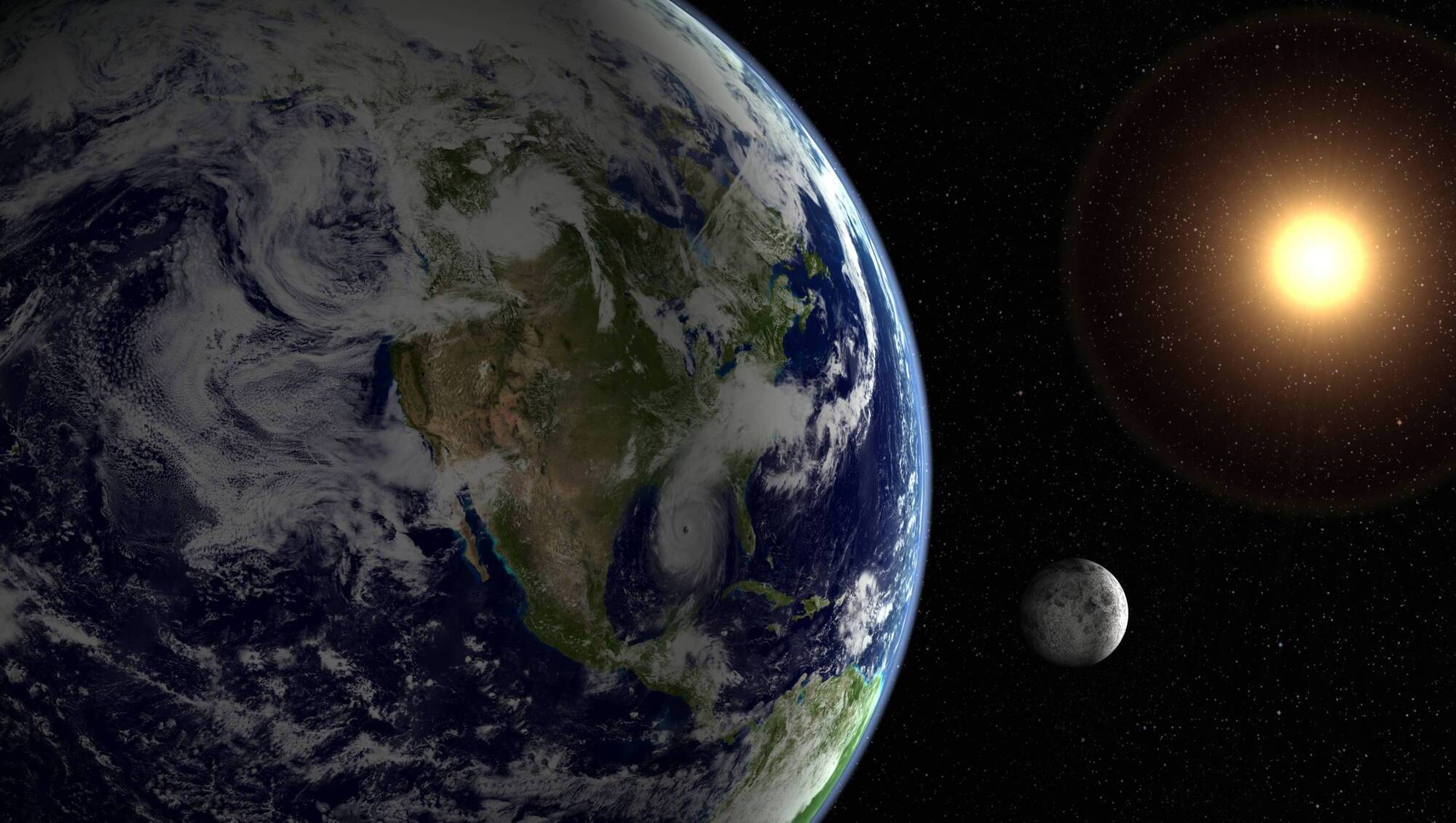
The United States has confirmed for the first time that it has deployed weapons in space, marking a significant escalation in the militarization of space. Air Force Secretary Troy Meink announced that the US has "on-orbit space control weapons" capable of defending against hostile adversary action.
According to Meink, the purpose of deploying these weapons is to "continue to ensure we remain ready to meet the challenges of evolving threats wherever they exist." However, he did not provide further details about the weapons or how they work, citing the need to protect their deterrence value. A US Space Force spokesperson explained that space control can refer to "employing kinetic [combat] and non-kinetic means to affect adversary capabilities," and that "these capabilities can be employed for offensive and defensive purposes."
China has urged the US to halt the militarization of space, warning against turning space into a battlefield and triggering an arms race. Chinese Foreign Ministry spokesperson Guo Jiakun stated that Beijing remains committed to the peaceful use of outer space and opposes any effort to turn space into a war zone. Guo urged Washington to take "concrete actions" to preserve global strategic stability.
Experts warn that the deployment of weapons in space could accelerate a high-risk arms race with Russia and China, and potentially lead to a domino effect of orbital debris. Astronomer Jonathan McDowell stated that it is reasonable to assume that Washington had such weapons in space, likely jammers, as it had already deployed several satellites with secret payloads. McDowell warned that Russia and China would now "respond in kind" and deploy their own weapons, potentially leading to a destabilization of the space environment.
The 1967 Outer Space Treaty prohibits the placement of nuclear weapons and other weapons of mass destruction in orbit but does not explicitly ban conventional weapons in space. This legal gap has fueled growing concerns among arms-control experts that countries could increasingly deploy offensive or defensive military systems in orbit without violating existing international agreements.
Victoria Samson, the Secure World Foundation's chief director of space security and stability, noted that the US now has to accept that the Chinese and Russians will do the same. "Well, that's huge, because I don't think any US government official has ever said that before," she said.
The US, Russia, and China are increasingly investing in space-based military capabilities, which could lead to a destabilization of the space environment. Experts warn that the international community must take concrete actions to prevent an arms race in space and ensure the long-term sustainability of space activities.
Juliana Suess, a space security expert, said that the US becoming more open about its space-based military capabilities "is now a question of will these states follow suit in that sense and respond and be more open also about their own activity?" The world waits with bated breath as the situation continues to unfold.
Background and Context
The militarization of space began in the 1950s with both Washington and Moscow exploring ways to destroy satellites. In 1967, superpowers and other countries signed the Outer Space Treaty, which banned weapons of mass destruction in orbit. However, the treaty does not explicitly ban conventional weapons in space.
In recent years, the US, Russia, and China have expanded their military and intelligence activities in space, raising concerns about the potential for an arms race. The US established the Space Force in 2019, and Russia has developed a space-based anti-satellite capability. China has proposed new international agreements to prevent the weaponization of space.
The deployment of weapons in space has significant implications for global security and the future of space exploration. As the international community grapples with the implications of this significant escalation, it remains to be seen whether diplomatic efforts can prevent an arms race in space and ensure the long-term sustainability of space activities.
CurrentDeck is dedicated to independent, evidence-backed reporting. This briefing was synthesized from primary source reporting, corroborated across independent newsrooms, and verified against our Editorial Standards.


