Xi tells Trump AI must be under human control
Xi tells Trump AI must be under human control
- Development: Xi tells Trump AI must be under human control
- Core Takeaway: Xi tells Trump AI must be under human control
- Context: Primary reporting aggregated across independent newsrooms and verified against CurrentDeck standards.
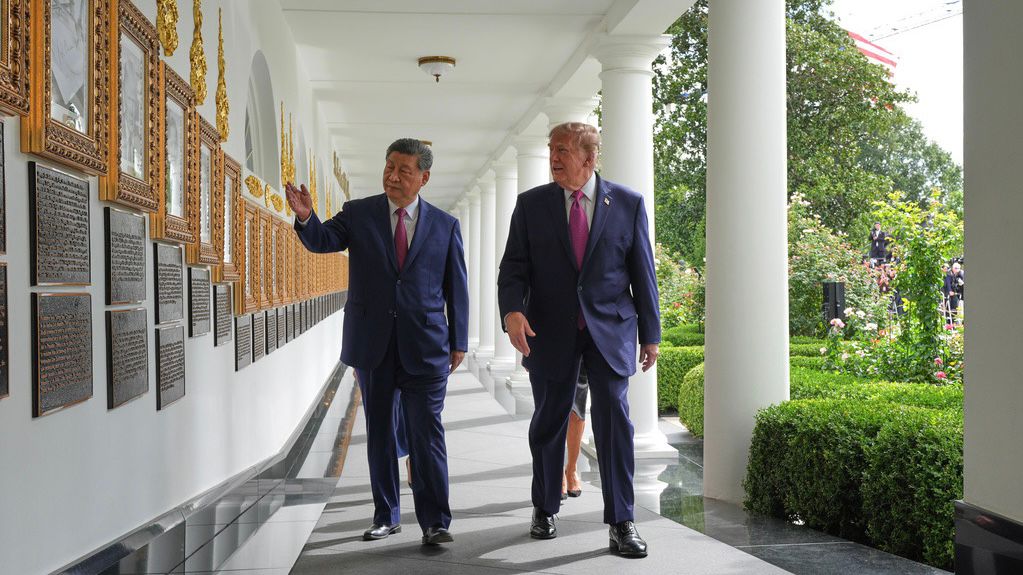
Xi Jinping's State Visit to the White House
Xi Jinping, the Chinese leader, began his highly anticipated state visit to the White House on Thursday, where he emphasized the importance of keeping artificial intelligence under human control. In his opening comments, Xi said that the two countries had a responsibility to ensure that humans always operate AI and that its development serves the well-being of the people. This statement comes as the US and China are engaged in an intense competition in the field of AI, with both countries seeking to advance their technologies. As Xi stated, "we have both the capability and responsibility to develop and manage AI for good and ensure that a development of AI is always under human control and serves the well being of the people."US-China Trade Relations
The US and China agreed to extend their trade truce by two months, aiming to find a more durable agreement. The trade truce, which was set to expire on November 10, has been extended until January 10. This move is seen as a positive step towards resolving the trade tensions between the two countries. The US Treasury Secretary, Scott Bessent, announced the extension after talks with Chinese Vice Premier He Lifeng.| Detail | Information |
|---|---|
| Trade Truce Extension | 2 months |
| New Expiration Date | January 10 |
Discussions on Taiwan and Iran
Trump and Xi discussed various issues, including trade, Taiwan, and the war with Iran. Xi urged Trump to "prudently handle the Taiwan issue" and to oppose "Taiwan independence." China has repeatedly pressed Washington to permanently halt arms sales to Taiwan, which Beijing considers to be Chinese territory. The US has said it opposes any unilateral changes to the status quo by either side. According to a readout from the official Chinese news agency Xinhua, Xi also expressed support for the US and Iran returning to a ceasefire and eventually negotiating a peace deal.US Senate Rejects Resolution to Halt Iran War
The US Senate rejected a resolution to halt the Iran war, with some Republicans joining Democrats in favor of the resolution. The vote was 49-50, with four GOP senators joining most Democrats in favor of the resolution. The war powers resolution, which was introduced by Sen. Tim Kaine, aimed to halt President Trump's military action in Iran. As Sen. Kaine stated, "they have been carrying water for this ridiculous and illegal war for months and months and months and not listening to their constituents." The resolution was seen as a symbolic move, as it did not have the force of law, but it reflected the growing unease among lawmakers about the war.Frequently Asked Questions
What is the current status of US-China trade relations?
The US and China have agreed to extend their trade truce by two months, aiming to find a more durable agreement. The trade truce, which was set to expire on November 10, has been extended until January 10.
What is Xi Jinping's stance on artificial intelligence?
Xi Jinping emphasized the importance of keeping artificial intelligence under human control during his state visit to the White House, saying "we have both the capability and responsibility to develop and manage AI for good and ensure that a development of AI is always under human control and serves the well being of the people."
What is the current situation with the Iran war?
The US Senate rejected a resolution to halt the Iran war, with some Republicans joining Democrats in favor of the resolution. The war has been ongoing for nearly seven months, and lawmakers are growing increasingly uneasy about the conflict. According to sources close to the talks, US and Iranian negotiators in New York are exploring a phased path out of the war, which could involve Tehran reopening the Strait of Hormuz and Washington lifting its economic blockade of Iran.
How significant is this development?
Cast your anonymous vote to register reader sentiment across business and policy circles.
CurrentDeck is dedicated to independent, evidence-backed reporting. This briefing was synthesized from primary source reporting, corroborated across independent newsrooms, and verified against our Editorial Standards.