Karl Deisseroth, Peter Hegemann and Georg Nagel Win 2026 Nobel Prize in …
Karl Deisseroth, Peter Hegemann, and Georg Nagel have won the 2026 Nobel Prize in Physiology or Medicine for developing optogenetics and discovering channelrhodopsin.
- Development: Karl Deisseroth, Peter Hegemann and Georg Nagel Win 2026 Nobel Prize in …
- Core Takeaway: Karl Deisseroth, Peter Hegemann, and Georg Nagel have won the 2026 Nobel Prize in Physiology or Medicine for developing optogenetics and discovering channelrhodopsin.
- Context: Primary reporting aggregated across independent newsrooms and verified against CurrentDeck standards.
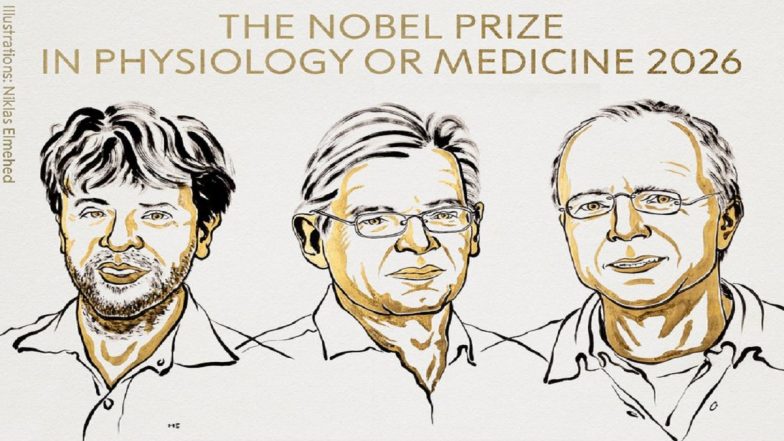
Karl Deisseroth, Peter Hegemann, and Georg Nagel: Pioneers in Optogenetics
The 2026 Nobel Prize in Physiology or Medicine has been awarded to Karl Deisseroth, Peter Hegemann, and Georg Nagel for their pioneering work in optogenetics. Their research has led to the development of a revolutionary technique that uses light to precisely control living neurons, allowing scientists to study complex neural circuits and potentially develop new treatments for neurological and psychiatric disorders.Optogenetics: A New Era in Neuroscience Research
Optogenetics is a technique that combines genetic modification with light-based control, allowing researchers to activate or inhibit specific cells with high precision. This approach has opened new avenues for understanding the brain and nervous system, and has the potential to lead to breakthroughs in the treatment of diseases such as Parkinson's, epilepsy, depression, and chronic pain. As stated by the Nobel Committee, "the method 'is now being used in laboratories around the world to reveal the brain's mysteries.'"The Discovery of Channelrhodopsin
The discovery of channelrhodopsin, a light-gated ion channel, was a key milestone in the development of optogenetics. Channelrhodopsin is a protein that can be introduced into specific cells, allowing researchers to control the cells' activity with light. This discovery has enabled scientists to study the neural circuits involved in various diseases and disorders, and has the potential to lead to the development of new treatments.Award and Recognition
The laureates were awarded a shared prize of 12 million Swedish kronor (approximately $1.2 million USD) for their novel discovery of channelrhodopsin and the development of optogenetics. The prize was announced at the Karolinska Institute in Stockholm, kicking off Nobels week. According to Thomas Perlmann, the secretary of the medicine committee, he was able to reach all three winners by phone on the day of the announcement.| Detail | Information |
|---|---|
| Prize Amount | 12 million Swedish kronor (approximately $1.2 million USD) |
| Laureates | Karl Deisseroth, Peter Hegemann, and Georg Nagel |
| Field of Research | Optogenetics |
Future Implications and Potential Applications
The development of optogenetics has the potential to lead to breakthroughs in the treatment of various diseases and disorders. Researchers are currently exploring the use of optogenetics to develop new treatments for neurological and psychiatric disorders, such as Parkinson's disease, epilepsy, depression, and chronic pain. As noted by the Nobel Committee, the technique "has opened new avenues for understanding the brain and nervous system, and has the potential to lead to breakthroughs in the treatment of diseases."Frequently Asked Questions
What is optogenetics?
Optogenetics is a technique that combines genetic modification with light-based control, allowing researchers to activate or inhibit specific cells with high precision, as stated by the Nobel Committee.
What is the significance of the discovery of channelrhodopsin?
The discovery of channelrhodopsin, a light-gated ion channel, was a key milestone in the development of optogenetics, enabling scientists to study the neural circuits involved in various diseases and disorders, according to the Nobel Assembly.
What are the potential applications of optogenetics?
The development of optogenetics has the potential to lead to breakthroughs in the treatment of various diseases and disorders, including neurological and psychiatric disorders such as Parkinson's disease, epilepsy, depression, and chronic pain, as noted by the Nobel Committee.
How significant is this development?
Cast your anonymous vote to register reader sentiment across business and policy circles.
CurrentDeck is dedicated to independent, evidence-backed reporting. This briefing was synthesized from primary source reporting, corroborated across independent newsrooms, and verified against our Editorial Standards.