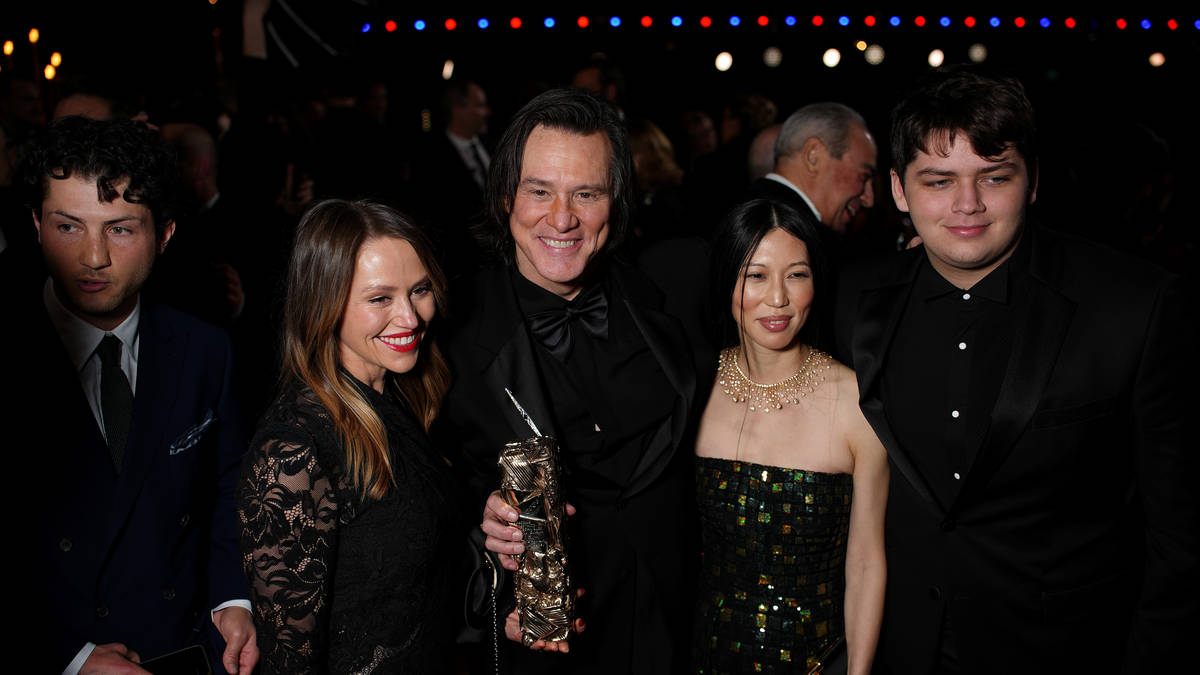
Lixing Sun explores animal reproduction in On the Origin of Sex
Biologist Lixing Sun's new book On the Origin of Sex examines the surprising diversity of reproductive strategies across species, sparking debate among critics over evolutionary theories and anthropomorphism.
- Development: Lixing Sun explores animal reproduction in On the Origin of Sex
- Core Takeaway: Biologist Lixing Sun's new book On the Origin of Sex examines the surprising diversity of reproductive strategies across species, sparking debate among critics over evolutionary theories and anthropomorphism.
- Context: Primary reporting aggregated across independent newsrooms and verified against CurrentDeck standards.
Lixing Sun’s book On the Origin of Sex has been reviewed in multiple outlets, with critics highlighting its exploration of the diversity of reproductive strategies across species and its engagement with evolutionary biology. The Central Washington University biologist’s work challenges the conventional “birds and the bees” analogy, emphasizing the “diversity, drama, and strangeness” of animal reproduction. It details how some species, like certain sharks and condors, reproduce asexually, while others, such as mallard ducks, exhibit highly specialized anatomical adaptations. The book’s “infectious enthusiasm” for these examples has been praised for making complex scientific concepts accessible, though some reviewers note that its writing occasionally assumes a high level of prior knowledge in evolutionary biology.
Exploring the Diversity of Life’s Reproductive Strategies
Sun’s book begins by addressing fundamental questions about the evolutionary purpose of sex. It references theories such as Muller’s ratchet, which posits that sex counteracts genetic mutations, and the Red Queen hypothesis, which suggests sex helps species adapt to parasites. The Vicar of Bray hypothesis, which links sex to environmental adaptability, is another focal point. However, as The New Yorker notes, “all of these theories have a certain appeal, yet all have been found wanting,” leaving the question of sex’s evolutionary role unresolved.
Critical Reception and Controversies
Reviews of On the Origin of Sex highlight both its strengths and its flaws. The Times (U.K.) acknowledges the book’s “pacy” narrative but criticizes Sun’s tendency to anthropomorphize animal behavior, such as describing single-cell organisms as engaging in “flings.” This approach, while playful, has been accused of “trivializing the material” in some quarters. The New York Times also critiques Sun’s attempt to draw parallels between animal reproduction and human behaviors, particularly his discussion of sexual violence, which some readers found problematic.
Despite these criticisms, the book has been lauded for its insights into gender fluidity in the animal kingdom. Sun’s argument that “there aren’t fixed rules in nature about what it means to be male or female” resonates with readers, particularly after highlighting examples like pregnant male seahorses. The Times calls this section “enlightening,” noting that Sun’s work “opens a window to the complexity of biological systems.”
Broader Implications and Ongoing Debates
Sun’s exploration of sex as a driver of ecological and evolutionary complexity has sparked discussions about how scientific narratives shape public understanding. New Scientist describes the book as “a pacy read” that “reminds us that asexual reproduction is more efficient,” raising questions about the trade-offs between reproductive strategies. Meanwhile, The New Yorker frames Sun’s work as part of a “new sort of natural-history book, one so racy that it would have made Charles Darwin raise a bushy eyebrow.”
The book’s reception underscores the tension between accessibility and academic rigor. While some reviewers praise its ability to “make science exciting,” others argue that its speculative leaps—such as linking animal behavior to human social norms—risk oversimplification. The New York Times notes that Sun’s “playfulness” occasionally detracts from the scientific depth of his arguments, though the review acknowledges the book’s value in “highlighting the fluidity of gender and the unpredictability of nature.”
How significant is this development?
Cast your anonymous vote to register reader sentiment across business and policy circles.
CurrentDeck is dedicated to independent, evidence-backed reporting. This briefing was synthesized from primary source reporting, corroborated across independent newsrooms, and verified against our Editorial Standards.