DRC Ebola cases emerge from unknown transmission chains as outbreak grows
The Ebola crisis in the Democratic Republic of the Congo has become the fastest-growing on record, as health officials struggle to track untraceable transmission chains. With cases spreading into five provinces, the WHO is warning that the true scale of the epidemic remains significantly underreported.
- Development: DRC Ebola cases emerge from unknown transmission chains as outbreak grows
- Core Takeaway: The Ebola crisis in the Democratic Republic of the Congo has become the fastest-growing on record, as health officials struggle to track untraceable transmission chains. With cases spreading into five provinces, the WHO is warning that the true scale of the epidemic remains significantly underreported.
- Context: Primary reporting aggregated across independent newsrooms and verified against CurrentDeck standards.
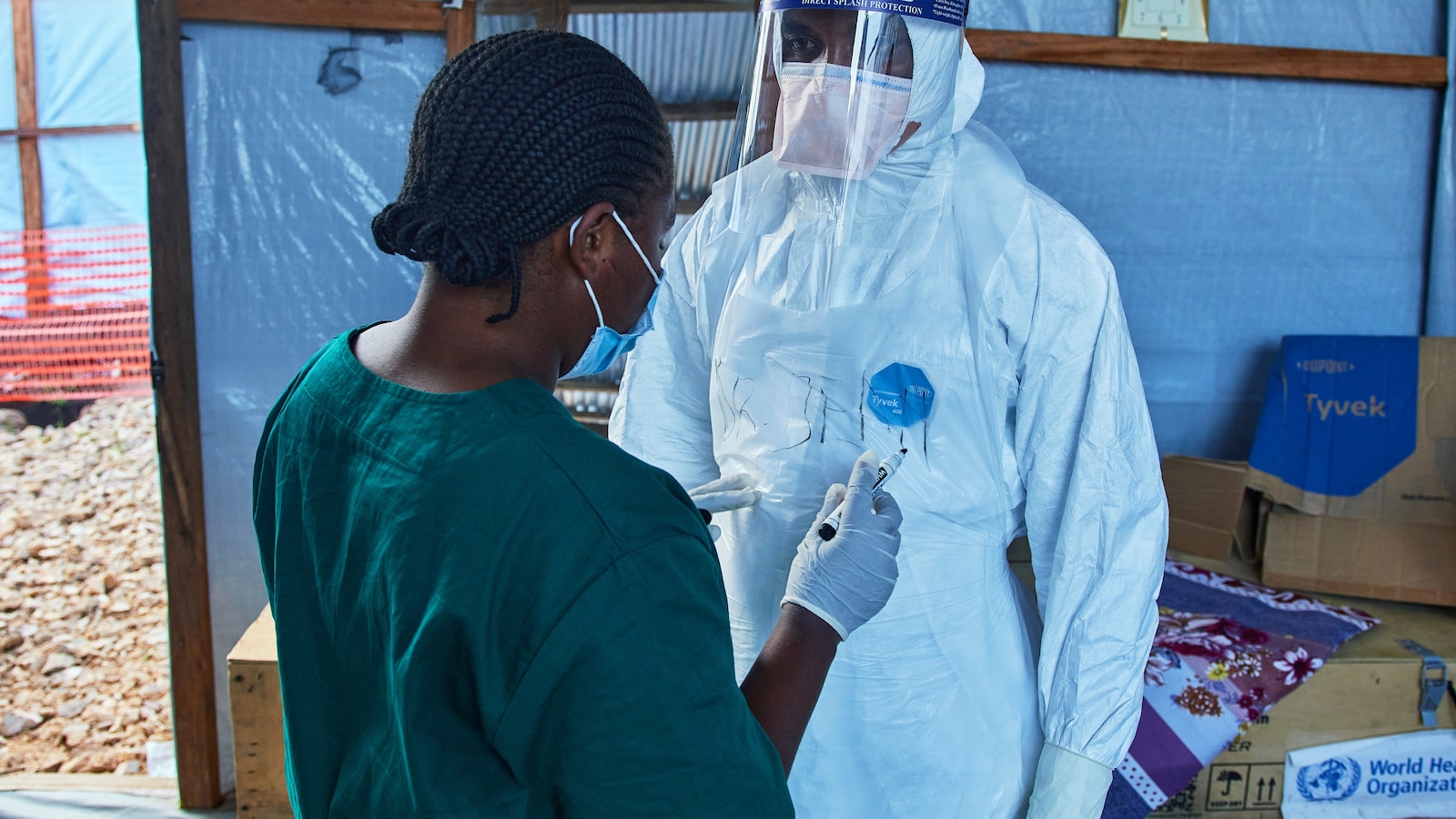
The Ebola outbreak in the Democratic Republic of the Congo (DRC) has escalated into the fastest-growing on record, with the World Health Organization (WHO) confirming that 80% of new cases originate from unknown transmission chains, complicating containment efforts. The virus, caused by the Bundibugyo strain, has infected at least 1,926 people and claimed 702 lives across three provinces as of July 14, 2026, according to Congolese authorities. The outbreak, declared in mid-May, has spread to five provinces, including recent incursions into Haut-Uele and Tshopo, marking a critical expansion.
Chikwe Ihekweazu, WHO’s emergencies director, highlighted the urgency of the crisis during a visit to Bunia, a hotspot in Ituri province. “Perhaps the most alarming finding is that many of the newly reported deaths are people who died in their communities without ever reaching a health facility and without receiving care,” he said. Ihekweazu emphasized that 80% of new cases are not linked to known contacts, with WHO modeling suggesting the true scale of the outbreak could be two to four times higher than reported. “We’ve seen the fastest growth in a single month since the outbreak started,” he added, calling the situation “the third-largest in history.”
The outbreak’s rapid spread is compounded by community transmission that remains largely undetected. In Bunia, where one in two patients tests positive for Ebola, the virus spreads through untraceable pathways, often with infected individuals delaying care due to milder symptoms associated with the Bundibugyo strain. “Patients are out there much longer than we would like,” Ihekweazu said, noting that prolonged community presence increases transmission risks. An analysis of the first 400 deaths revealed 70% occurred outside treatment centers, underscoring gaps in surveillance and access to care.
Response efforts face multiple hurdles. Funding shortfalls, attacks on health facilities, and ongoing conflict in eastern DRC have hampered containment. A strike by staff at an Ebola treatment center in northeast Congo over unpaid salaries further strained resources. Despite these challenges, treatment capacity in Bunia has expanded to nearly 800 beds, and diagnostic labs have grown from one to 14. However, Ihekweazu acknowledged that “our best efforts… have not caught up in the race.”
The WHO has prioritized a dual strategy: intensifying efforts in Ituri while mapping travel routes to identify high-risk areas. Community health workers are being trained to conduct house-to-house visits, aiming to improve early detection. “Now is not the time to drop the ball,” Ihekweazu urged, as clinical trials for potential treatments begin. No approved therapies exist for the Bundibugyo strain, though early supportive care improves survival rates.
International concern is growing as the outbreak intersects with regional dynamics. A U.S. Citizen working for a humanitarian organization in DRC tested positive for Ebola, though details remain undisclosed. Neighboring Uganda has also reported cases, raising fears of cross-border transmission. Meanwhile, the WHO warns that the virus’s spread could worsen if containment measures fail, particularly in areas with weak health infrastructure and persistent community mistrust.
As the outbreak enters its third month, the focus remains on accelerating case detection and addressing systemic barriers to care. “We must find the cases earlier, bring them into care as soon as possible,” Ihekweazu said, stressing the need for sustained global support. With the clock ticking, the world watches as DRC’s health systems and international partners race to prevent a deeper crisis.
How significant is this development?
Cast your anonymous vote to register reader sentiment across business and policy circles.
CurrentDeck is dedicated to independent, evidence-backed reporting. This briefing was synthesized from primary source reporting, corroborated across independent newsrooms, and verified against our Editorial Standards.