CJP protesters gather at Delhi site following crackdown by police
Youth-led protests continue in Delhi after clashes left scores injured, as the Cockroach Janata Party demands government accountability for education system failures.
- Development: CJP protesters gather at Delhi site following crackdown by police
- Core Takeaway: Youth-led protests continue in Delhi after clashes left scores injured, as the Cockroach Janata Party demands government accountability for education system failures.
- Context: Primary reporting aggregated across independent newsrooms and verified against CurrentDeck standards.
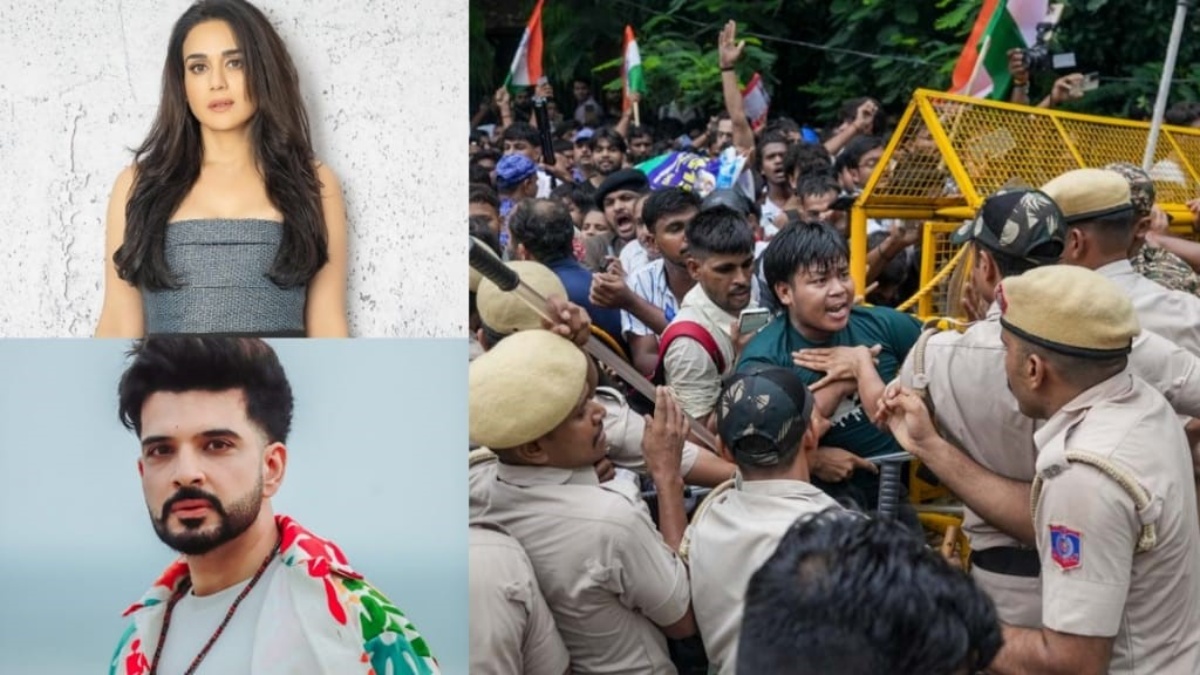
Thousands of protesters gathered at Jantar Mantar in New Delhi on Tuesday, regrouping at the site of the Cockroach Janata Party (CJP) demonstration after a police crackdown on Monday that left scores injured and intensified public outrage. The youth-led movement, which began as an online satire criticizing India’s education system, has evolved into a nationwide challenge to Prime Minister Narendra Modi’s government, demanding accountability for alleged exam paper leaks and broader governance failures.
The protests erupted following the May leak of questions for the National Eligibility cum Entrance Test (NEET), which affected over 2 million students and triggered a wave of suicides. The CJP, founded by Abhijeet Dipke two months ago, has since become a focal point for Gen Z frustrations, blending demands for exam reforms with calls for the resignation of Education Minister Dharmendra Pradhan. On Monday, thousands attempted to march toward Parliament, but police used tear gas and batons to disperse them, leading to clashes that left 180 people injured, according to authorities. The CJP disputed the figures, claiming over 150 protesters were hospitalized.
Celebrities and activists amplified the movement’s reach. Bollywood actor Karan Kundrra condemned the police lathi charge, asserting that education should not be politicized, while Preity Zinta urged the government to engage in dialogue with protesters. Singer-actor Diljit Dosanjh echoed similar sentiments, stating, “The voice of the people is the voice of God.” Meanwhile, opposition leader Rahul Gandhi and Congress lawmakers staged a sit-in outside Modi’s residence, fastening zip ties around their wrists to symbolize solidarity with the students. “We are here to demand answers for the brutalities against young students,” Gandhi wrote on social media.
The crackdown reignited momentum for the movement, drawing new participants like Rabina Kashyap, a 26-year-old professional who joined the protest despite having “nothing to do with this issue.” “This is my country, and these are my people,” she said. Protesters at Jantar Mantar, now under heavy police presence, vowed to continue their demands, including Pradhan’s resignation, compensation for families of students who died by suicide, and a “foolproof” exam system. Modi addressed the issue on Tuesday, calling for reforms but stopping short of directly addressing the protesters’ core grievances.
The CJP’s evolution from satire to a mass movement reflects broader discontent among India’s youth. Sonam Wangchuk, an environmental activist whose three-week hunger strike became a symbol of the protests, was forcibly removed from the site by police last week. His transfer to a private hospital, ordered by the Delhi High Court, fulfilled one of the movement’s demands, but leaders stressed that more action was needed. “We want accountability, not assurances,” said Dipke, who announced the group would halt future marches to avoid further violence but pledged to continue protests at Jantar Mantar.
Amnesty International criticized the police response, stating it demonstrated “how peaceful dissent is being suppressed in India.” The organization highlighted the constitutional right to assembly, which protesters argue was violated during the crackdown. Meanwhile, Delhi Police accused demonstrators of “unruly, aggressive behavior,” though eyewitness accounts and video footage showed students pleading with officers not to strike them. The tension underscores a deeper rift between the government and a generation increasingly skeptical of its handling of corruption, education, and dissent.
As the protests persist, the CJP’s demands remain unresolved. Modi’s call for exam reforms has been met with skepticism, with protesters insisting on systemic changes beyond technical fixes. The movement’s resilience, bolstered by celebrity endorsements and cross-generational support, signals a growing challenge to the ruling party’s dominance. For now, the sit-in at Jantar Mantar continues, proof of the unyielding resolve of a generation demanding justice.
How significant is this development?
Cast your anonymous vote to register reader sentiment across business and policy circles.
CurrentDeck is dedicated to independent, evidence-backed reporting. This briefing was synthesized from primary source reporting, corroborated across independent newsrooms, and verified against our Editorial Standards.