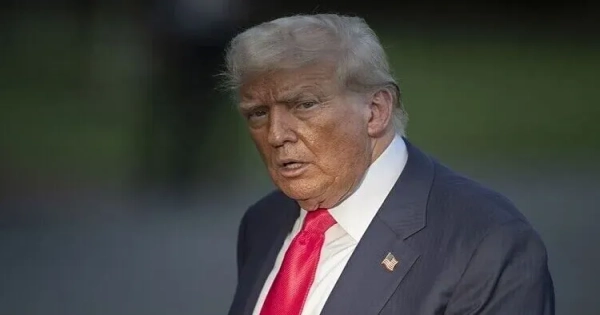
Trump proposes $70,000 fee for foreign students
Trump proposes $70,000 fee for foreign students
- Development: Trump proposes $70,000 fee for foreign students
- Core Takeaway: Trump proposes $70,000 fee for foreign students
- Context: Primary reporting aggregated across independent newsrooms and verified against CurrentDeck standards.

Trump Administration Proposes Fee for International Students
The Trump administration has proposed a $70,000 fee for international students seeking to work in the US after completing their studies under the Optional Practical Training programme, according to the Department of Homeland Security. The proposal, announced by the Department of Homeland Security, would require educational institutions to pay the fee for each new student's initial application to the programme and a $30,000 fee for each renewal.Details of the Proposal
The proposed fee would apply to international students participating in the Optional Practical Training programme, which allows students to work in jobs related to their major during or after their time in school. The fee would be paid by the educational institution, not directly by the student or the employer. The proposal also includes a $30,000 fee for each renewal, which would apply to students who have already participated in the programme and are seeking to renew their work authorization.| Fee Type | Amount |
|---|---|
| Initial Application Fee | $70,000 |
| Renewal Fee | $30,000 |
Criticism of the Proposal
The proposal has been met with criticism from higher education leaders and business associations, who argue that it would increase the burden on schools and discourage international students from studying in the US. Fanta Aw, CEO of NAFSA, an association that represents international education, said that the fee would "drive away the talents, perspectives, and aspirations of international students" and hurt American innovation, economic growth, workforce development, and global leadership.Impact on International Students
The proposal could have a significant impact on international students who are seeking to work in the US after completing their studies. Many international students rely on the Optional Practical Training programme to gain work experience and build their careers in the US. The proposed fee could make it more difficult for these students to participate in the programme and could lead to a decline in the number of international students studying in the US.Next Steps
The public has 60 days to comment on the proposal before the Department of Homeland Security can finalize it and put it into effect, as reported by siasat.com and financialexpress.com. The proposal could also face legal challenges from higher education groups or business associations that could delay its implementation.Frequently Asked Questions
What is the Optional Practical Training programme?
The Optional Practical Training programme is a programme that allows international students to work in jobs related to their major during or after their time in school, as described by the Department of Homeland Security.
Who would pay the proposed fee?
The proposed fee would be paid by the educational institution, not directly by the student or the employer, according to the Department of Homeland Security.
How can the public comment on the proposal?
The public can comment on the proposal by submitting comments to the Department of Homeland Security during the 60-day comment period, as reported by siasat.com and financialexpress.com.
How significant is this development?
Cast your anonymous vote to register reader sentiment across business and policy circles.
CurrentDeck is dedicated to independent, evidence-backed reporting. This briefing was synthesized from primary source reporting, corroborated across independent newsrooms, and verified against our Editorial Standards.