SEC files amendment seeking authority to expel LSU
The SEC filed a federal lawsuit amendment asking a court to confirm its right to expel LSU following a dispute over former professional athletes.
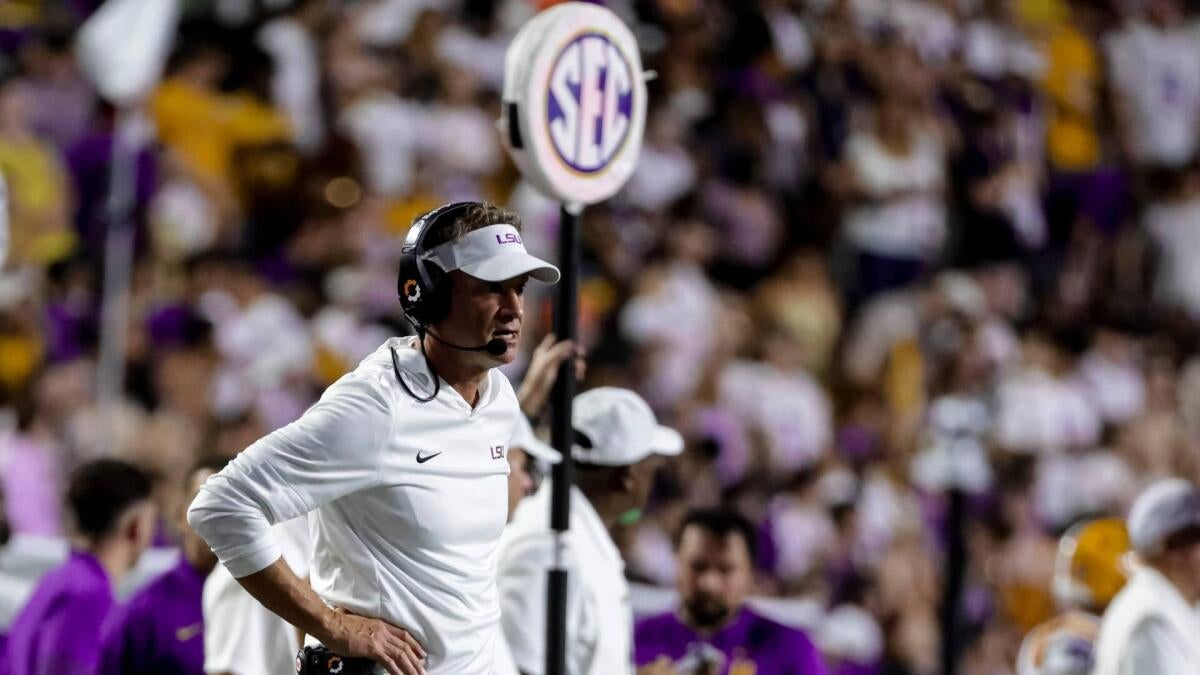
SEC amendment filed Tuesday seeks authority to expel LSU
The Southeastern Conference submitted an amendment to its ongoing federal lawsuit on September 8, 2026. The filing, obtained by CBS Sports, explicitly requests that a federal judge declare the conference’s right to remove Louisiana State University from the league if LSU does not comply with SEC rules on former professional athletes.
Language from the amendment reads:
"Forced association with a member whose conduct is antithetical to the SEC's mission and core values violates the Conference's fundamental First Amendment rights."
SEC filing, via CBS Sports
The filing also references a “Special Meeting of the Conference” slated for Thursday, during which the conference presidents and chancellors will consider “potential termination” of LSU’s membership. The SEC notes that a two‑thirds majority of the sixteen‑school league is required to carry out an expulsion.
Timeline of the legal battle
| Detail | Information |
|---|---|
| Original lawsuit filing | September 3, 2026 – SEC sued LSU, head coach Lane Kiffin, and athletic director Verge Ausberry. |
| Amendment filing | September 8, 2026 – SEC seeks authority to expel LSU. |
| Scheduled SEC meeting | Thursday – Presidents and chancellors to vote on expulsion. |
| Players at center of dispute | Dae’Quan Wright and Zxavian Harris, former NFL‑contract players. |
| Roster status for Week 1 | LSU submitted a 103‑player roster with two open spots; Wright and Harris were not listed. |
| Vote threshold | Two‑thirds of the sixteen member schools. |
| References to Lane Kiffin in filing | 32 mentions within a 44‑page document. |
SEC’s legal arguments and procedural requests
The amendment asserts that the conference’s “right to govern competition” is being undermined by LSU’s refusal to follow the SEC rule barring athletes who have signed professional contracts from returning to college football. By seeking a temporary restraining order, the SEC aims to block any state officials, including Louisiana Attorney General Liz Murrill, from interfering with the Thursday meeting or the outcome of any vote.
According to the SEC’s statement, “The SEC and its member universities have the right to established, through agreed‑upon governance procedures, the rules under which they voluntarily compete and to expect those rules to be followed.” The conference frames the matter as essential to protecting its brand, championships, and media properties from association with conduct it says it has condemned for decades.
LSU’s position and the players’ legal status
Both Dae’Quan Wright and Zxavian Harris received a preliminary injunction from a Louisiana judge that cleared them to play, a decision the SEC describes as “defying SEC rules.” The injunction, however, does not settle the long‑term eligibility question that the SEC’s lawsuit keeps in dispute.
LSU chose not to activate either player for its season‑opening game against Clemson, submitting a roster that left two spots open. The Tigers’ coaching staff later indicated that those spots could be filled later in the season. During a halftime interview, Lane Kiffin joked, “Imagine if we had pro players,” a comment the SEC cites as evidence of a “demonstrated lack of institutional control.”
Reactions from state officials and conference insiders
Governor Jeff Landry weighed in, calling the SEC’s characterization of the athletes “disingenuous” and arguing that the players are “college players who were told, by the NCAA, that they were done.”
"Calling them “NFL players” is at best disingenuous, and at worst intentionally deceptive… They are not professional football players circling back after years in the NFL. They are college players who were told, by the NCAA, that they were done."
Jeff Landry, Governor of Louisiana, via public statement
SEC Commissioner Greg Sankey testified before a federal judge, noting that “91 pro athletes currently play college football,” and expressed uncertainty about the specific cases of Wright and Harris.
Potential outcomes and remaining questions
If the Thursday vote reaches the required two‑thirds threshold, LSU could be removed from the SEC. The SEC argues that such removal would not constitute a punishment under the rules at issue but would protect the conference’s First Amendment rights and its ability to govern membership.
Several sources, including ESPN’s Pete Thamel, suggest the SEC does not expect to actually expel LSU but is using the amendment to cement its legal footing to enforce its rules.
Frequently Asked Questions
What authority is the SEC seeking in the amendment?
The SEC is asking a federal judge to confirm that the conference can expel a member school, a decision that would require a two‑thirds vote of the sixteen SEC institutions.
What is the status of Dae’Quan Wright and Zxavian Harris?
A Louisiana judge granted them a preliminary injunction that makes them legally eligible to play, but the SEC’s lawsuit keeps their long‑term eligibility in dispute. LSU has not placed them on its Week 1 roster.
When will the SEC decide on LSU’s membership?
Conference presidents and chancellors are scheduled to meet on Thursday, where they will vote on whether to terminate LSU’s membership.
The next trigger in this unfolding saga will be the Thursday meeting of the SEC’s presidential council. The outcome, whether the two‑thirds threshold is met and LSU is expelled or the conference simply secures a court‑backed right to enforce its rules, will shape the immediate future of the Tigers’ season and set a precedent for how the SEC handles member schools that challenge its eligibility standards.
CurrentDeck is dedicated to independent, evidence-backed reporting. This briefing was synthesized from primary source reporting, corroborated across independent newsrooms, and verified against our Editorial Standards.
.jpg?w=1120&h=630)