UEFA declares loss of confidence in FIFA President Gianni Infantino
UEFA has declared a loss of confidence in FIFA President Gianni Infantino following the collapse of his controversial $20 billion World Cup investment plan.
- Development: UEFA declares loss of confidence in FIFA President Gianni Infantino
- Core Takeaway: UEFA has declared a loss of confidence in FIFA President Gianni Infantino following the collapse of his controversial $20 billion World Cup investment plan.
- Context: Primary reporting aggregated across independent newsrooms and verified against CurrentDeck standards.
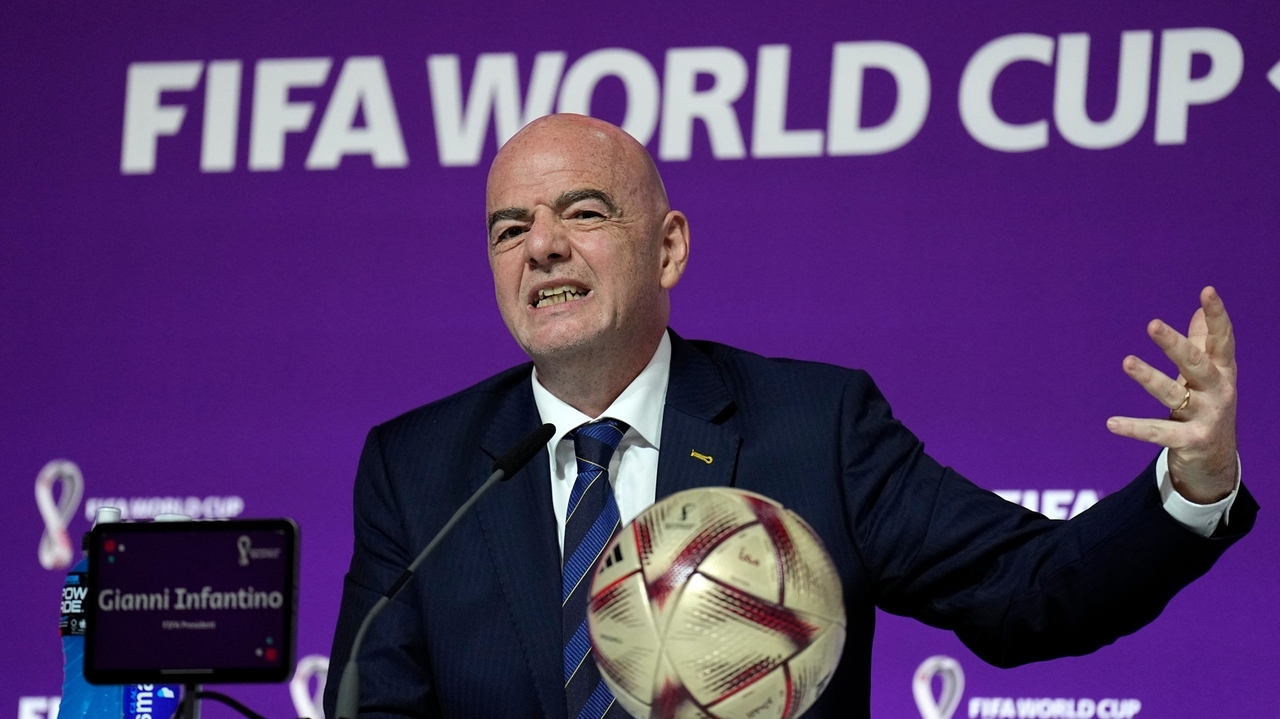
UEFA has declared a loss of confidence in FIFA President Gianni Infantino following the collapse of his plan to sell a 20% stake in the World Cup to private equity investors. The European football governing body’s statement, released on 1 August 2026, condemned the proposal as a “shabby, back-room, opaque deal” and called for a comprehensive review of FIFA’s leadership and governance. The decision is a notable escalation in tensions between UEFA and Infantino, who has faced criticism for what opponents describe as a lack of transparency.
The failed initiative, which aimed to establish a $20 billion company to manage the commercial and operational aspects of FIFA’s competitions, sparked immediate backlash from across the football world. UEFA’s 55 member associations unanimously rejected the plan, with several threatening to boycott future FIFA events if it proceeded. The controversy also drew sharp criticism from the UK’s Prime Minister Andy Burnham, who called the proposal “outrageous” and accused Infantino of misrepresenting the interests of global football. A string of high-profile resignations within FIFA, including that of senior adviser Carlos Cordeiro and chief operating officer Kevin Lamour, further underscored the internal divisions.
Infantino initially defended the plan, insisting it would generate funds to support football development in underprivileged regions. However, the proposal faced sustained opposition from European nations, with broadcasters and sponsors reportedly refusing to engage with the deal. The backlash intensified after revelations that the scheme had been negotiated in secrecy, leaving many FIFA officials and member associations uninformed. Lamour, who resigned in protest, described the initiative as “the project of one person,” accusing Infantino of centralizing power and undermining democratic processes within the organization.
UEFA’s statement emphasized that the plan’s collapse was not merely a financial decision but a moral one. It criticized the “fast-track timescales” and “faceless individuals” involved in crafting the proposal, urging FIFA to address systemic governance flaws. “We must identify those responsible and hold them to account,” the statement read. The organization also pledged to collaborate with other confederations to prevent similar schemes from emerging in the future, vowing to conduct a “thorough and fundamental” review of FIFA’s leadership structure.
Infantino’s response to the fallout was marked by a mix of contrition and determination. In a statement released on 1 August, he acknowledged that the proposal had created “divisions of a nature that are no longer in the interest of the objective set out in the first place.” He reiterated his commitment to uniting the football community but stopped short of explicitly apologizing for the controversy. “Our purpose has always been to unite and improve,” he said, adding that he intended to “bring all interested parties back together” to advance the sport’s growth.
The episode has reignited debates about the future of FIFA’s leadership. UEFA’s vice-president, Laura McAllister, suggested that the organization might explore alternatives to Infantino ahead of the next FIFA presidential election. “Trust in the president has been badly shaken,” she said, though she stopped short of endorsing a specific candidate. Meanwhile, Football Australia and the Asian Football Confederation welcomed FIFA’s decision to abandon the plan but expressed lingering concerns about transparency and accountability within the organization.
As the fallout continues, the incident has highlighted deepening fractures within global football governance. UEFA’s public rebuke of Infantino signals a shift in the balance of power, with European nations increasingly asserting their influence over FIFA’s direction. For now, the focus remains on rebuilding trust, with stakeholders demanding greater openness and ethical rigor from the organization that oversees the world’s most popular sport.
How significant is this development?
Cast your anonymous vote to register reader sentiment across business and policy circles.
CurrentDeck is dedicated to independent, evidence-backed reporting. This briefing was synthesized from primary source reporting, corroborated across independent newsrooms, and verified against our Editorial Standards.