EU confirms it cannot stop Sony from ending physical game discs
European regulators have ruled that Sony is free to transition to digital-only game releases, leaving collectors and preservationists without legal recourse. The decision highlights a growing divide between corporate profit models and consumer ownership rights.
- Development: EU confirms it cannot stop Sony from ending physical game discs
- Core Takeaway: European regulators have ruled that Sony is free to transition to digital-only game releases, leaving collectors and preservationists without legal recourse. The decision highlights a growing divide between corporate profit models and consumer ownership rights.
- Context: Primary reporting aggregated across independent newsrooms and verified against CurrentDeck standards.
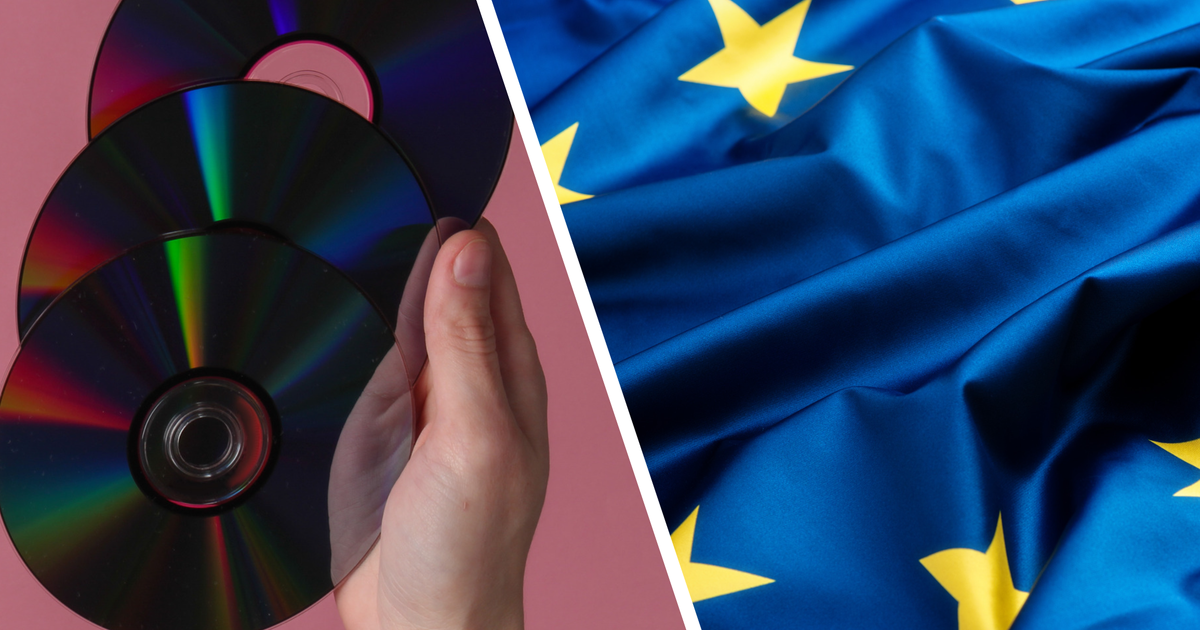
The European Union has confirmed it cannot intervene to prevent Sony from ending physical game discs, citing commercial and contractual freedoms as the primary rationale. This decision, announced by European Commissioner for Consumer Protection Michael McGrath, effectively allows Sony to transition all new PlayStation games to digital-only releases starting in 2028, a move that has ignited widespread backlash from gamers, collectors, and preservationists.
Sony’s announcement, made on 1 July, stipulates that all games launched after January 2028 will be available exclusively through digital platforms. Retail boxes for these titles will likely contain download codes rather than physical discs, a shift that has drawn comparisons to the decline of physical media in other industries. The policy applies to both first-party and third-party titles, though exceptions exist: Santa Monica Studio confirmed that *God of War Laufey* will be released on disc in 2027, and Insomniac Games announced *Marvel’s Wolverine* will also have a physical version.
The EU’s stance centers on the principle of “commercial and contractual freedoms,” with McGrath stating that companies are “free to offer games and services in the manner that they see fit, provided that consumer rights are fully protected in line with national and EU law.” This reasoning aligns with the EU’s broader approach to regulating the tech sector, which prioritizes market autonomy over prescriptive measures unless clear violations of consumer rights are evident. The commissioner also noted that the EU had considered a European Citizens’ Initiative to address the issue but ultimately concluded that no legal obligation could be imposed without infringing on intellectual property rights.
The backlash against Sony’s decision has been swift and vocal. A petition launched by the Stop Killing Games campaign, which began as a response to Ubisoft’s 2024 move to make *The Crew* an online-only title, has amassed over 286,000 signatures on Change.org. Social media platforms have seen a surge of users sharing screenshots of canceled PlayStation Plus subscriptions, while industry analysts argue that the financial incentives for digital distribution make Sony’s policy irreversible. Dr. Serkan Toto, CEO of Kantan Games, dismissed the petition’s impact, stating that even a 500,000-member protest would represent just 1% of Sony’s 120 million active users and 50 million Plus subscribers.
The economic rationale for Sony’s shift is clear. Digital sales offer significantly higher profit margins compared to physical releases. For first-party titles like *The Last of Us*, Sony retains 65% of revenue from physical copies, with the remainder split between retailers and manufacturing costs. In contrast, digital sales on the PlayStation Store yield 100% of revenue for first-party games, while third-party titles like *Call of Duty* generate a 30% cut for Sony. These figures underscore the financial viability of a digital-only model, particularly as console prices rise and physical retail infrastructure becomes increasingly costly to maintain.
The EU’s inability to enforce a reversal of Sony’s policy has left preservationists and gamers in a precarious position. The Stop Killing Games campaign has long argued that physical media ensures long-term ownership and access, a concern amplified by fears that digital-only games could be deleted or made inaccessible if publishers shut down servers. The European Commission’s response to the initiative reiterated that existing copyright laws prevent the imposition of legal obligations to keep games playable after they are delisted. Instead, the Commission plans to collaborate with publishers to draft a voluntary code of conduct for managing “end of life” scenarios for video games.
Despite the EU’s hands-off approach, the debate over digital rights and ownership continues to gain momentum. Activists have pledged to escalate their efforts, with the Stop Killing Games movement pushing to amend the Digital Fairness Act in the European Parliament. Meanwhile, Sony’s decision has reignited discussions about the broader implications of digital-only models for cultural preservation, consumer choice, and the future of gaming as an industry.
For now, the EU’s affirmation of Sony’s autonomy signals a broader trend in regulatory philosophy: a reluctance to interfere with corporate decisions unless direct harm to consumers is proven. As the gaming world adapts to an increasingly digital landscape, the tension between innovation, profitability, and tradition remains unresolved.
How significant is this development?
Cast your anonymous vote to register reader sentiment across business and policy circles.
CurrentDeck is dedicated to independent, evidence-backed reporting. This briefing was synthesized from primary source reporting, corroborated across independent newsrooms, and verified against our Editorial Standards.


