Partial solar eclipse darkens UK skies in largest event since 1999
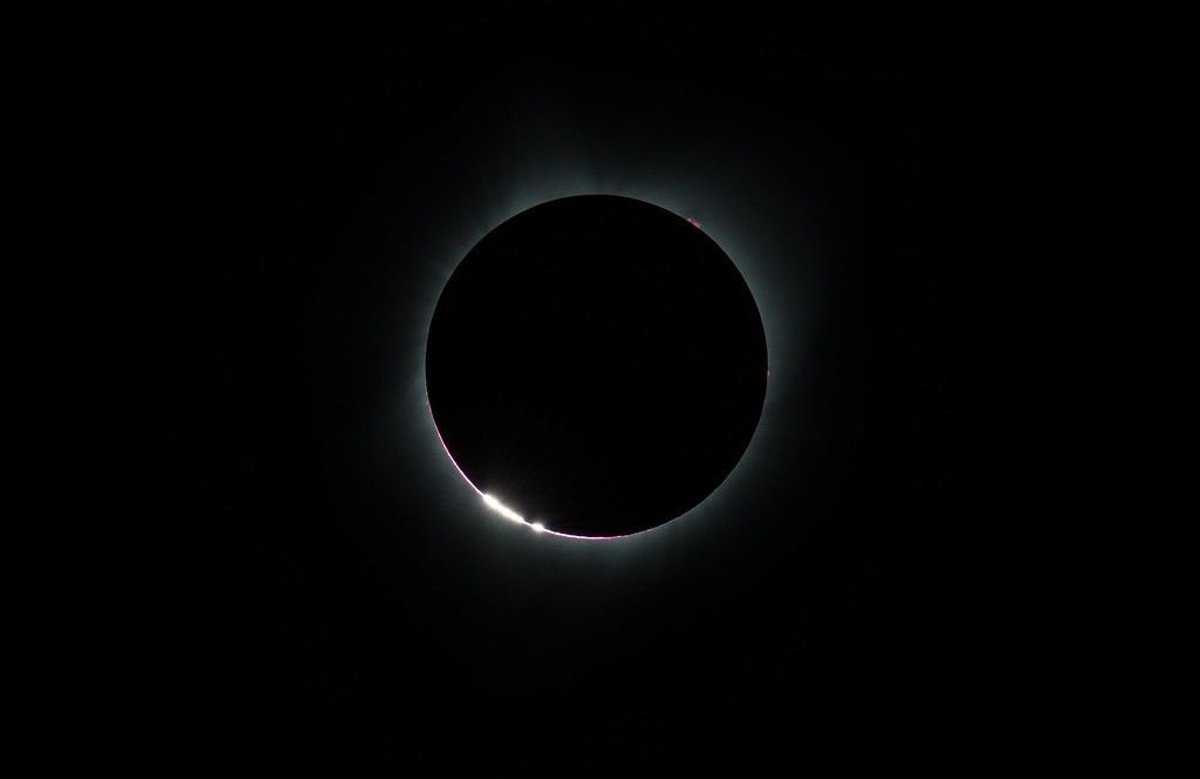
Skies across the UK are darkening as the Moon covers over 90% of the Sun in a partial solar eclipse that is the most significant since 1999.

Partial Solar Eclipse Darkens UK Skies
A partial solar eclipse is currently visible across the UK, with the Moon covering over 90% of the Sun's light in some areas. According to BBC, this event is the most significant solar eclipse visible from the UK since 1999. The eclipse began at around 6:10pm BST and is expected to reach its peak at around 7:10pm BST, with the Sun sitting low in the western sky. According to the Royal Observatory Greenwich, the further south-west you travel in the UK, the greater the eclipse coverage becomes. Cornwall is expected to see around 95% of the Sun covered, while Pembrokeshire in south-west Wales will experience about 94%. Those travelling to the south-west tip of Ireland would see some of the best views anywhere in the British Isles, with almost 97.5% of the Sun hidden by the Moon. The eclipse is not just limited to the UK, as parts of Greenland, Iceland, Spain, northern Russia, and a small area of northern Portugal will experience a total solar eclipse. However, for those in the UK, the partial eclipse will still be an impressive sight, with around 90% of the Sun expected to be covered at its peak. BBC reporter Sarah Farmer is live streaming from a viewing event at Hengistbury Head, which can be watched online. The Royal Museums Greenwich in London is also providing a free livestream of the eclipse, starting at 6:10pm BST and running until 8pm. It's essential to remember that looking directly at the Sun during an eclipse can severely damage your eyes, even with ordinary sunglasses. Instead, use certified eclipse glasses or indirect viewing methods such as a pinhole projector to enjoy the event safely. As stated by BBC, "Looking directly at the Sun can severely damage your eyes - even during an eclipse."Watching the Eclipse Safely
To watch the eclipse safely, you can use special eclipse glasses or indirect viewing methods such as a pinhole projector. You can make a simple pinhole projector using a single sheet of card or a cardboard box. It's also possible to use a colander to project multiple images onto a piece of paper. As BBC suggests, "You can make a simple one with a single sheet of card or something more ambitious using a cardboard box - or you can use a colander to project multiple images all at once."Frequency of Solar Eclipses
Solar eclipses occur when the Moon moves directly between the Earth and the Sun, casting its shadow across part of the planet. According to somersetlive.co.uk, there are between two and five solar eclipses every year, although total eclipses occur somewhere on Earth roughly every 18 months. While the UK will not experience a total solar eclipse this time, the partial eclipse will still be an exciting event for those who get to see it. For those in other parts of the world, such as Florida, NASA reports that the next total solar eclipse visible in the contiguous US will be on August 23, 2044. In the UK, the eclipse is expected to be a significant event, with thousands of people gathering to watch the spectacle. The BBC and other news outlets are providing live coverage of the event, and people are sharing their experiences and photos on social media. As the eclipse reaches its peak, people across the UK are looking up to the sky to witness this rare and awe-inspiring event. With proper eye protection and a clear view of the western horizon, the partial solar eclipse is an experience not to be missed.
Reporting based on coverage by
bbc.co.uk.
Additional source material:
bbc.co.uk, somersetlive.co.uk, leeds-live.co.uk, celticswire.usatoday.com.