Listicle: 10 cult obsessions that fizzled out in the last decade
From viral TikTok Stanley tumblers to pandemic-era Dalgona coffee, look back at 10 popular cult obsessions that completely fizzled out over the last decade.
- Development: Listicle: 10 cult obsessions that fizzled out in the last decade
- Core Takeaway: From viral TikTok Stanley tumblers to pandemic-era Dalgona coffee, look back at 10 popular cult obsessions that completely fizzled out over the last decade.
- Context: Primary reporting aggregated across independent newsrooms and verified against CurrentDeck standards.
India's Music Industry on the Rise
India's music market is generating significant attention and investment from international music companies and investors. Universal Music Group, Warner Music, Sony, Believe, Reservoir, and Primary Wave Music have all made notable moves in the country in recent years. One of the most consequential deals was Primary Wave Music's strategic investment in Times Music, a Mumbai-based record label and music publisher, in April 2023. The joint venture was valued at over $100 million.
Mandar Thakur, CEO of Times Music, recalls the company's search for a strategic partner and how Primary Wave Music's approach impressed him. Thakur has a three-decade-plus background in India and South Asia's music business, starting as an assistant to a lighting designer on concert stages in Mumbai. He then worked with a regional concert promoter in Hong Kong and later became Head of music and talent industry relations/programming at Channel V.
Thakur joined Times Music as COO in 2010, initially viewing it as a three-to-four-year turnaround job. However, he has since transformed the company into one of India's most active independent music companies. Times Music has completed three catalog acquisitions, including Symphony Recording Co., ARC Musicq, and Catrack Entertainment, and operates through two sub-labels: Junglee Music for film soundtracks and ffs for independent releases.
Thakur is bullish on the future of India's music industry, which he describes as a "song-driven economy." He believes that the opportunity lies outside of India, with a large diaspora having a significant appetite for homegrown culture. Thakur also argues that the narrative that Indian consumers don't pay for digital entertainment is uninformed, citing the success of JioHotstar, India's dominant video streaming platform, which reached 280 million paid subscribers within months of its launch.
According to Luminate data, India is now the world's second-largest music streaming market by total on-demand volume, with 489.9 billion streams in 2025. However, 84% of India's streaming market remains ad-supported, and Thakur argues that the yield is a much lower average revenue per user compared to Western markets. Thakur is preparing to announce further acquisitions in the near term and believes that the time is right for Indian music to break into the global market.
Canada's AI Strategy
Canada has introduced a new AI strategy that addresses models and chips but lacks a deployment phase perspective. The strategy recognizes the importance of digital sovereignty but does not treat it as a transitional prerequisite for preparing the economy and institutions for deployment. Canada is entering a market where American firms have mature deployment channels, and Chinese alternatives are spreading through lower-cost adoption pathways.
The EU Open Source Strategy provides a more robust answer to the deployment layer, and Canada could learn from this approach. Canada's new AI strategy includes measures to address the dynamics of AI deployment, but they are not coordinated to target the multipolar logic of competition in the AI deployment phase. The recommendations include building an apparatus that enables openness to serve Canadian sovereignty and extending the "Canada Trusted AI Certification" program into a "Canada-EU Digital Trust Open-Source Certification" as part of the negotiations for a new Digital Trade Agreement.
A "Next-Gen Compute Leapfrog" initiative could also help close the gap in domestic development of photonic, quantum, and analogue chips. This would enable Canadian firms and institutions to bypass semiconductor supply-chain bottlenecks and facilitate the adoption of Canadian closed- and open-source AI deployment solutions.
Strait of Hormuz Awaits Iran-Oman Agreement
The Strait of Hormuz remains all but closed to normal vessel traffic due to a standoff between Iran and the United States. A proposed 60-day reopening framework is being finalized between Iran and Oman, which would impose no transit or service fees and could include regional participation in demining and technical work. However, the US position is that the southern route remains open to commercial vessels, but this assurance has not yet translated into normal shipowner confidence or traffic levels.
The conflict has driven up global fuel prices and forced a shift in trade connections in surrounding logistics hubs. About 20% of the world's crude oil supply moves by ship out of the region, and a return to normal tanker, LNG, and container flows will likely require several consecutive weeks of incident-free transits, clear routing protocols, credible mine-clearance arrangements, and a stable US-Iran political agreement.
Cult Obsessions that Fizzled Out
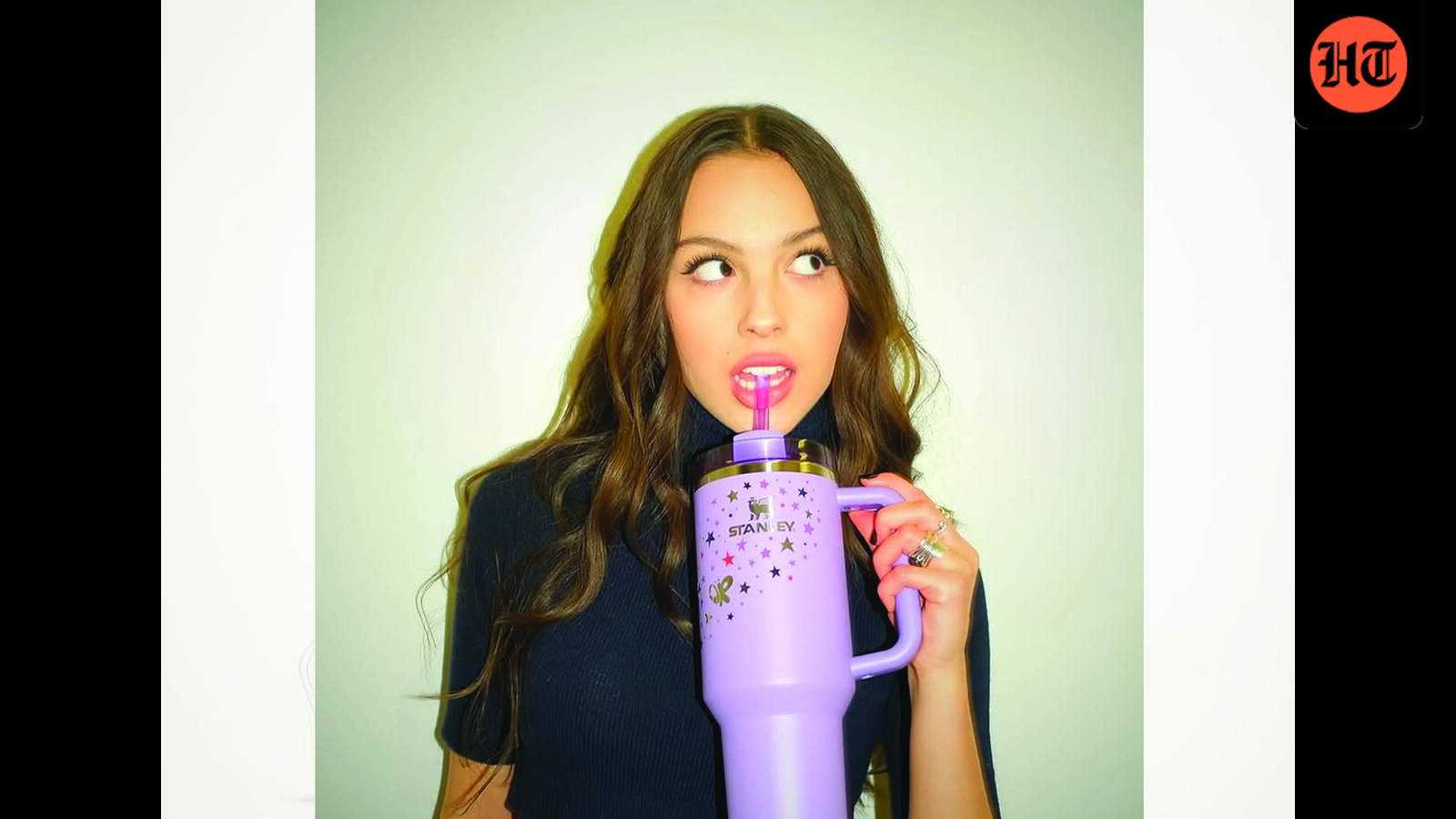
In the world of lifestyle and entertainment, several cult obsessions have fizzled out in the last decade. These include Stanley tumblers, which became a viral sensation on TikTok but eventually lost their appeal; Gua sha and jade rollers, which were popularized by Instagram influencers but failed to deliver long-term benefits; and Dalgona coffee, which became a pandemic-era phenomenon but ultimately lost its buzz.
Other obsessions that have faded include patent peep-toe platform pumps, which were once a staple in the fashion world but are now largely forgotten; Dubai chocolate, which became a status symbol but eventually lost its allure; and Labubu, a children's book monster that became a collectible phenomenon but ultimately lost its value. Fidget spinners, tiny sunglasses, and slime are also among the cult obsessions that have fizzled out in recent years.
Clubhouse, a social media app that gained popularity during the pandemic, has also lost its appeal, with many users becoming disillusioned with the platform's lack of substance and abundance of spam accounts. These examples illustrate the fleeting nature of trends and obsessions, which can quickly rise to fame and then fade into obscurity.
How significant is this development?
Cast your anonymous vote to register reader sentiment across business and policy circles.
CurrentDeck is dedicated to independent, evidence-backed reporting. This briefing was synthesized from primary source reporting, corroborated across independent newsrooms, and verified against our Editorial Standards.