At least 139 migrants dead after boat from Djibouti to Yemen capsizes
At least 139 migrants, including 15 children, have died after an overcrowded boat capsized off the coast of Djibouti while traveling toward Yemen.
- Development: At least 139 migrants dead after boat from Djibouti to Yemen capsizes
- Core Takeaway: At least 139 migrants, including 15 children, have died after an overcrowded boat capsized off the coast of Djibouti while traveling toward Yemen.
- Context: Primary reporting aggregated across independent newsrooms and verified against CurrentDeck standards.
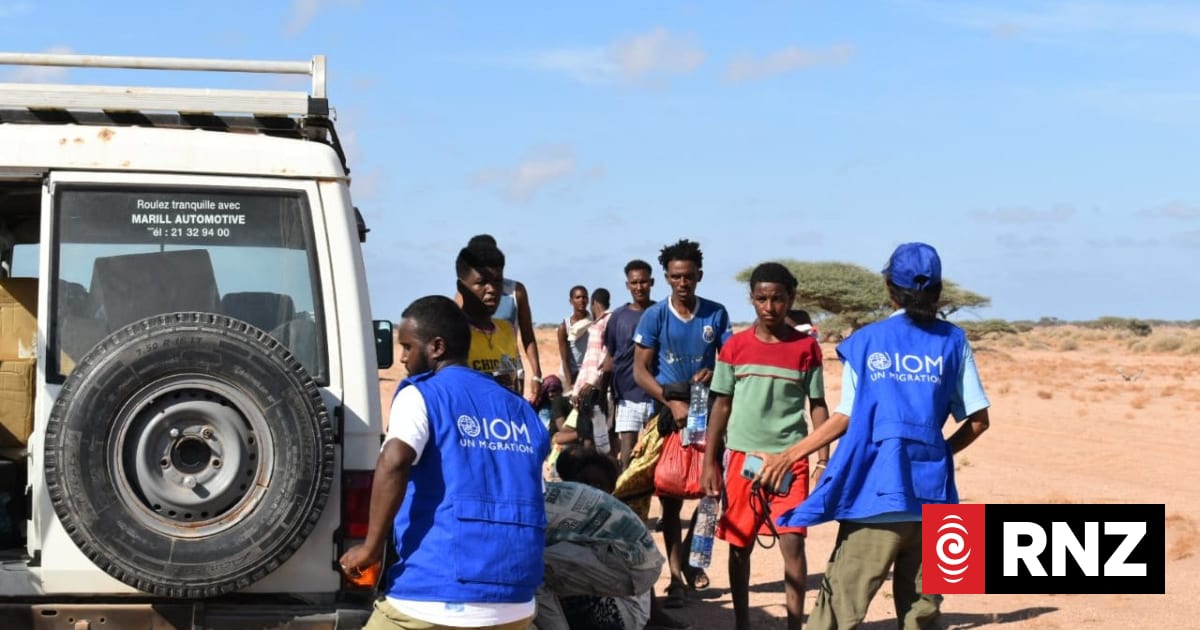
Djibouti Boat Capsizing
A boat carrying migrants from Djibouti to Yemen has sunk, resulting in the deaths of at least 139 people, including 15 children, as stated by the IOM. The incident occurred near Guhere, north of the port town of Obock, on the night of 8-9 October. The boat was carrying 305 people, and 84 are still missing, with 82 people rescued, all of whom are Ethiopian nationals.Migration Route Dangers
The migration route from the Horn of Africa to the Arabian Peninsula is known for its dangers, including accidents at sea, trafficking, and arbitrary arrests once on land. In 2025, more than 900 migrants died or went missing along this route, according to the IOM's Missing Migrants Project. The number of people undertaking this journey increased by 18% in 2025, despite the growing instability in the region.Search and Rescue Operations
Search and rescue operations are ongoing, with the IOM and local authorities providing assistance to survivors. The IOM is working in close collaboration with local authorities to help migrants and prevent deaths at sea and on land. The organization is providing healthcare and support to restore contact with families for 64 of the survivors at its response center in Obock.Causes of Migration
The migrants were heading to Yemen, with the hope of eventually making it to wealthier Gulf nations, despite the ongoing conflict in Yemen. The conflict has displaced more than 130,000 people across the country, according to the UN refugee agency. Poverty, insecurity, and the growing impacts of climate change drive many to undertake this journey. Since 10 September, the IOM's Displacement Tracking Matrix has observed more than 20,000 movements from Ethiopia to Djibouti.| Detail | Information |
|---|---|
| Number of people on the boat | 305 |
| Number of people rescued | 82 |
| Number of people missing | 84 |
| Number of people dead | At least 139 |
| Number of children dead | 15 |
Response to the Incident
The IOM has described the crisis sparked by the fighting in Yemen as alarming, with displacement figures surging to 200,000 from 76,000 in mid-September. The organization is calling for safe and legal pathways to save lives. "No one gets into a boat like that unless they believe there is no other safe way," IOM Director General Amy Pope said. "We cannot keep treating these deaths as normal. Safe and legal pathways save lives. I am asking governments and donors to act before the next boat goes down."Frequently Asked Questions
What was the cause of the boat capsizing?
According to Alexandre Coissac, the IOM's chief of mission in Djibouti, the vessel sank soon after it departed "mainly because it was overcrowded".
How many people have died or gone missing on this migration route in 2025?
More than 900 migrants died or went missing on this migration route in 2025, according to the IOM's Missing Migrants Project.
What is being done to help the survivors and prevent future incidents?
The IOM is providing assistance to the survivors, including healthcare and support to restore contact with their families. The organization is also working with local authorities to prevent deaths at sea and on land.
How significant is this development?
Cast your anonymous vote to register reader sentiment across business and policy circles.
CurrentDeck is dedicated to independent, evidence-backed reporting. This briefing was synthesized from primary source reporting, corroborated across independent newsrooms, and verified against our Editorial Standards.