FAA Ground Stop Prompts Over 12500 Cancellations and Outage Warnings
A rare nationwide FAA ground stop triggered thousands of flight cancellations and intense scrutiny of the nation's aging aviation infrastructure.
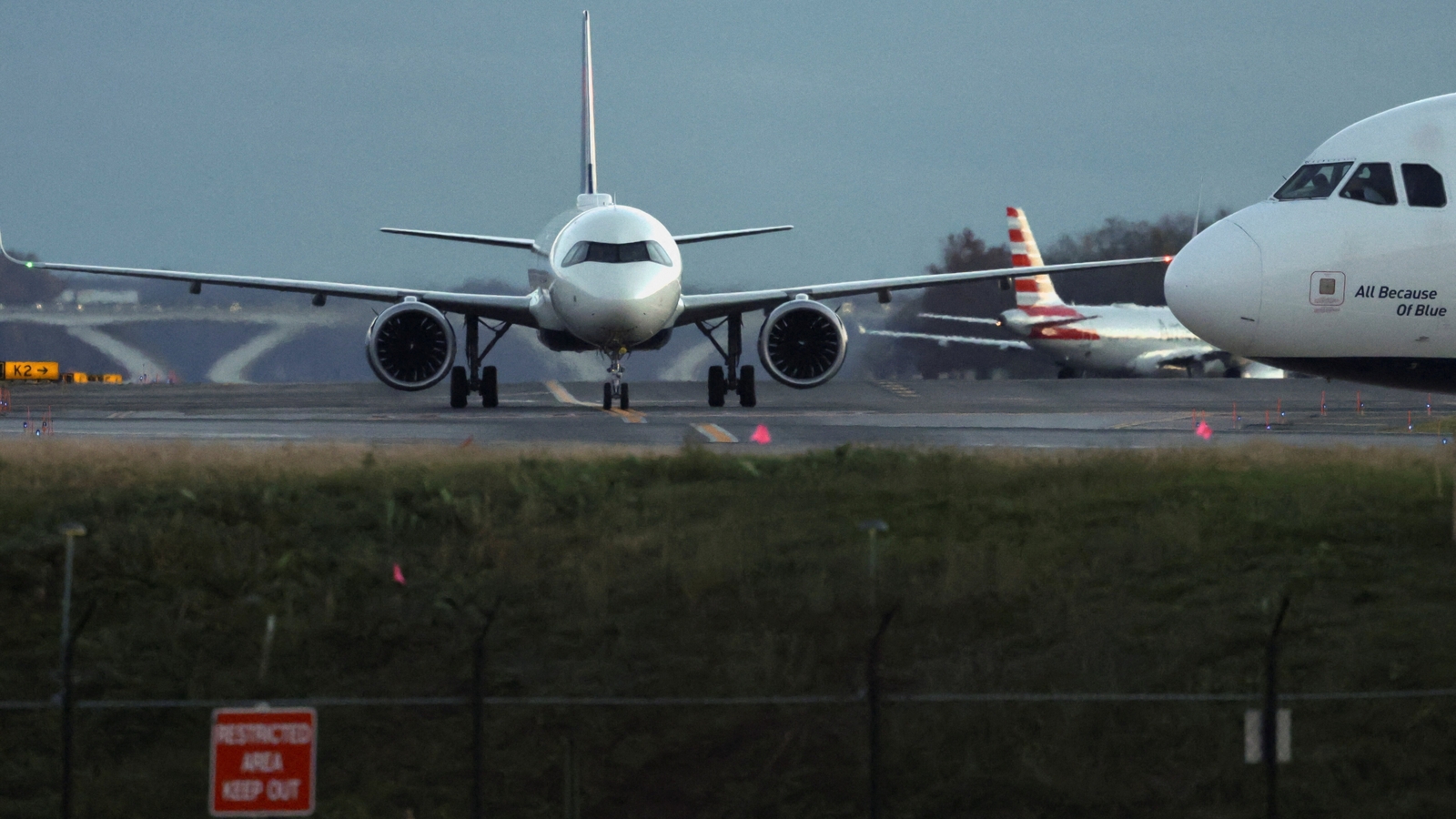
A rare nationwide Federal Aviation Administration ground stop snarled travel from coast to coast, prompting thousands of flight cancellations and triggering intense scrutiny of the nation's aging aviation infrastructure.
Federal Aviation Administration Enacts Nationwide Ground Stop
The Federal Aviation Administration ordered a rare nationwide ground stop for all U.S. Airports, bringing air travel to an abrupt halt during a disruption lasting more than four hours. According to reporting from BBC News and KCRA, the stoppage marked the longest nationwide flight stoppage in 25 years, standing as only the second national ground stop since the September 11, 2001 attacks, excluding a computer system malfunction in January 2023.
The ground stop began at 3:36 p.m. EST on Friday when roughly 3,500 airplanes were in the air. The Federal Aviation Administration ordered the stoppage while air traffic control centers experienced communication issues. International impacts were immediate. Eurocontrol suspended U.S.-bound departures from its member states at the request of the Federal Aviation Administration from 5 p.m. Eastern until midnight. Sydney Airport in Australia had grounded all U.S.-bound flights, and flights from London Heathrow experienced cancellations and delays. San Francisco International Airport cleared Pacific-bound departures, including flights to Hawaii and Asia, later on Friday evening. The nationwide ground stop ended around 8:15 p.m. ET.
Contractor Upgrade and Legacy Routers Overload National Airspace
Officials pointed to aging infrastructure and legacy technology as the root cause of the crisis. Transportation Secretary Sean Duffy explained in subsequent briefings that a preliminary investigation found an L3Harris contractor was working in a remote Federal Aviation Administration location, switching old copper wire to fiber while replacing a router. The router that was being switched then started flooding other routers, overloading the system with 1,000 attempts to log on every four to five seconds. Senior government sources told CBS News that the issue was isolated to specific hardware: Cisco 600 series routers manufactured between 2001 and 2006.
Federal Aviation Administrator Bryan Bedford stated that updating the wires was a routine maintenance issue that the agency had been working on for years. After the router began flooding the system for 45 minutes, the Federal Aviation Administration could not determine the cause of the instability and issued a ground stop "out of an abundance of caution," according to Bedford and Homeland Security Secretary Markwayne Mullin. Mullin and Microsoft representatives confirmed there was no indication that the failure was related to a cyberattack or anything nefarious. Aviation analyst Miles O'Brien described the system as "a house that's about to be condemned," noting that adding software to a system relying on thin copper wires overloaded the switches and routers.
Transportation Leaders Demand Billions in Modernization Funding as Recovery Slows
At a White House news conference, Transportation Secretary Sean Duffy called the situation an emergency and pushed Congress for substantial funding. While Congress previously approved $12.5 billion for air traffic control modernization, the administration late Friday increased its funding request to $30 billion — or $50 billion in separate remarks — for a complete overhaul of the system. Duffy warned that without funding for flight system advancement, similar outages will happen again and flying will continue being "less safe."
| Detail | Information |
|---|---|
| Ground Stop Date | Friday |
| Ground Stop Duration | More than 4 hours (ended ~8:15 p.m. ET) |
| Total Flight Cancellations (Friday and Saturday) | More than 12,500 (per FlightAware) |
| Friday Flight Disruptions | 9,132 cancellations, 7,030 delays (per FlightAware) |
| Saturday Flight Disruptions (by early morning) | 3,374 cancellations, 1,008 delays (per FlightAware) |
| Airborne Planes at Ground Stop Initiation | More than 3,500 |
| Funding Requested by Administration | Up to $50 billion |
Stranded Passengers Face Lingering Delays and Rebooking Challenges Across Major Hubs
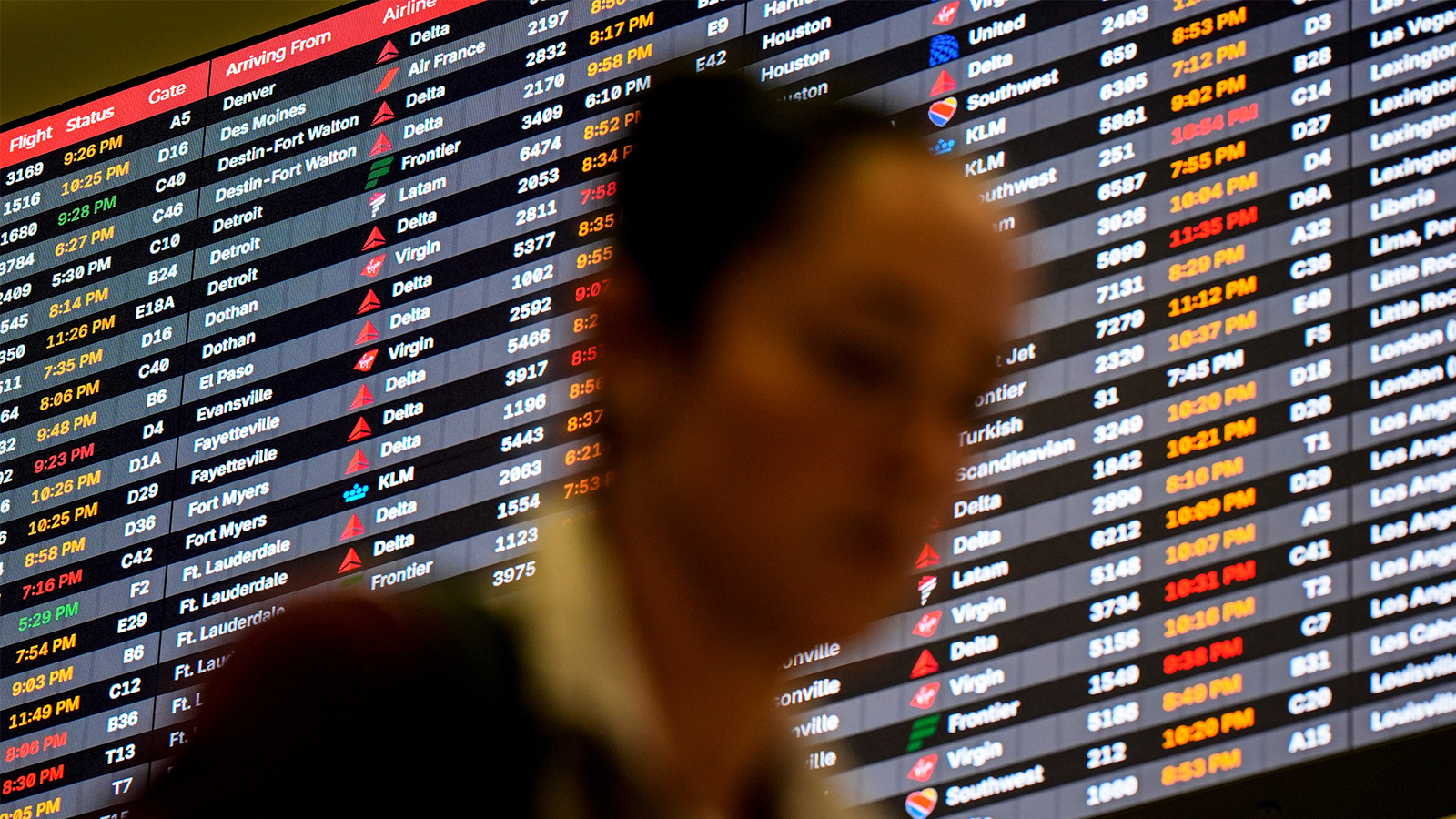
Airports nationwide saw massive passenger queues, grounded aircraft sitting on tarmacs, and extensive baggage claim delays. At Chicago Midway International Airport, more than 170 flights were delayed at one point during the disruption, with wait times approaching 90 minutes. Chicago O'Hare International Airport recorded over 700 canceled flights on Friday. Passengers such as Bill Kalbac reported spending hours stuck on aircraft before returning to gates where baggage was left waiting due to a shortage of personnel.
Airlines including Delta, American, United, and JetBlue worked to reposition flight crews and aircraft. Delta said it would offer customers flexible rebooking options while continuing to restore operations. Under the FAA Reauthorization Act of 2024, cancelled or significantly delayed flights, defined as three hours for domestic flights and six hours for international routes, must be offered alternative travel or a full refund if the passenger chooses not to fly. However, U.S. Carriers are not legally required to provide meal vouchers or hotel accommodations.
Transportation leaders and airline executives continue monitoring operations as the system works back toward full capacity ahead of upcoming holiday travel rushes, with federal officials confirming it is safe to fly.
CurrentDeck is dedicated to independent, evidence-backed reporting. This briefing was synthesized from primary source reporting, corroborated across independent newsrooms, and verified against our Editorial Standards.