Nirmal Purja and nine other climbers missing after Pakistan avalanche
A major search and rescue operation is underway in Pakistan after an avalanche on Broad Peak left ten climbers missing, including renowned mountaineer Nirmal Purja.
- Development: Nirmal Purja and nine other climbers missing after Pakistan avalanche
- Core Takeaway: A major search and rescue operation is underway in Pakistan after an avalanche on Broad Peak left ten climbers missing, including renowned mountaineer Nirmal Purja.
- Context: Primary reporting aggregated across independent newsrooms and verified against CurrentDeck standards.
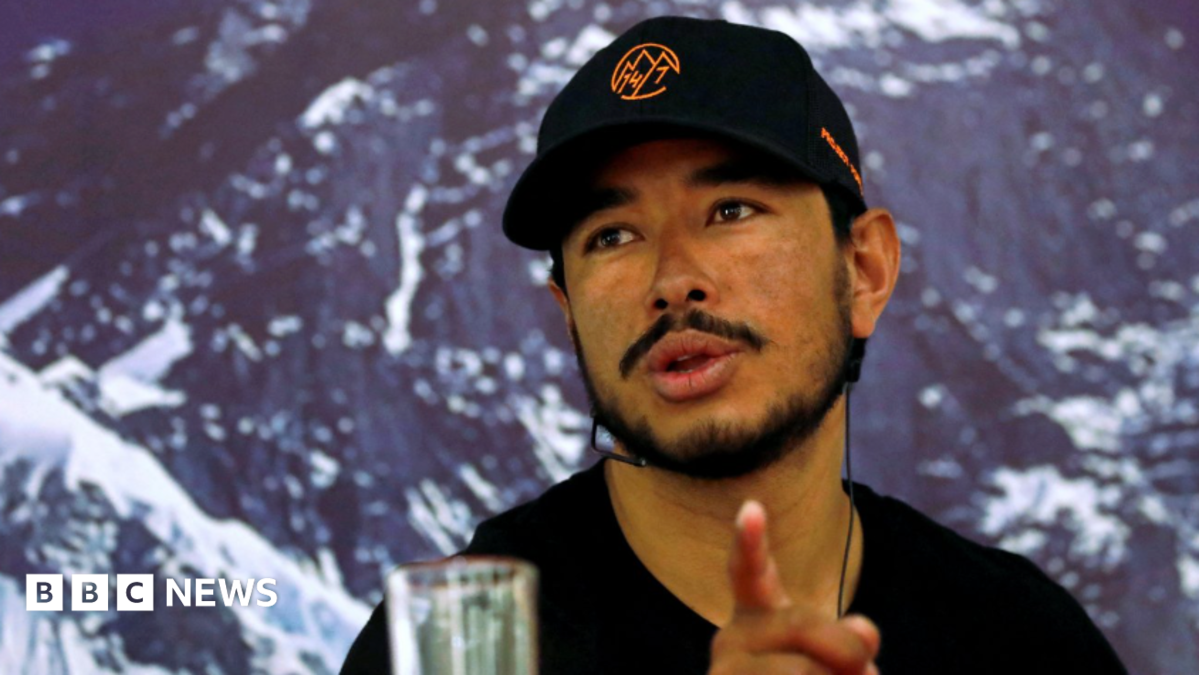
A major search and rescue operation is underway in the Karakoram mountain range after an avalanche struck Pakistan's Broad Peak, leaving ten climbers missing, including renowned Nepalese mountaineer Nirmal Purja. The disaster unfolded on Thursday, 30 July 2026.
The Alpine Club of Pakistan and Regional Authorities Respond to the Disaster
The avalanche struck the expedition around midday, catching the team as they moved between Camp II and Camp III on the standard West Ridge route. GPS data cited by sources places the time of the avalanche between approximately 8:57 am and 9:30 am at elevations ranging from roughly 6,579 meters to 6,600 meters. Communication with the entire team was severed immediately following the snowslide.
Accounts regarding the recovery of bodies differ across regional organisations and official bodies. Irfan Arshad, head of the Alpine Club of Pakistan, stated that ground rescue teams found four bodies. Similarly, the Nepal Mountaineering Association general secretary, Rajendra Bahadur Lama, reported that Pakistani officials indicated four bodies had been spotted from rescue helicopters. However, Nepal's Tourism Department maintained a more cautious stance, with spokesperson Himal Gautam confirming that no deaths had been officially verified by their department at the time, noting that six Nepali climbers from the expedition remained classified as missing.
Daijiworld and NewsX reported specific identifications from the Alpine Club of Pakistan, stating that Omani climber Nadhira Al Harthy and Nepalese mountaineer Pur Bahadur Gurung, also known as Yukta, were killed in the disaster, with Nadhira's body recovered for transport to Skardu. Other reports noted that four bodies had been recovered or sighted without definitive public identification of all remains.
Expedition Composition and Nirmal Purja's Final Push
The ill-fated expedition was led by Nirmal "Nims" Purja MBE, a high-profile mountaineer, former British special forces soldier with service in the Gurkha Regiment and the Special Boat Service, and co-founder of Elite Exped. Purja achieved global fame by climbing all 14 of the world's peaks above 8,000 meters in a record six months and six days, a feat featured in the Netflix documentary 14 Peaks: Nothing Is Impossible.
According to statements gathered by the Express, Purja had not initially planned to tackle Broad Peak during this trip. In a final message posted to social media days before the disaster, he explained his change of plans:
"This was never the plan. Initially, the plan was to climb just G2. But just before setting off for Pakistan, I ran the numbers on my 8000m summits. That's when it hit me: if I tick off Broad Peak whilst I'm here only one remains: [the world's 6th tallest peak, which borders China and Nepal] Cho Oyu. Then I become the FIRST person in history to climb all 14 eight-thousanders twice. Without oxygen."
Nirmal Purja, via Express
The expedition roster compiled by the Alpine Club of Pakistan and cooperating agencies includes five Nepali climbers—Pur Bahadur Gurung ("Yukta"), Kili Pemba Sherpa ("Kilu"), Nima Sherpa, Nawang Thindu Sherpa, and Gyalu Sherpa—alongside international participants. These include Nadhira Ahmed Abdullah Al Harthy from Oman, Sohail Sakhi from Pakistan, Wang Zhong from China, and American climber Mallory Geis, plus an additional foreign climber whose identity was initially withheld.
Tracking data retrieved from the site showed severe drops corresponding with the avalanche path. Mallory Geis's GPS tracker recorded a sudden descent of 543 meters, while Nadhira Al Harthy's device registered a drop of 1,651 meters. Notably, tracking beacons belonging to Nirmal Purja showed a shift in position after the avalanche occurred, offering a slender thread of hope to families and fellow climbers.
Rescue Obstacles and International Coordination
Search efforts have faced severe logistical hurdles. Thaneshwar Guragain, general manager of Seven Summit Treks, pointed out that mountain rescues in Pakistan are primarily managed through military channels, making rapid helicopter deployment more complex and restrictive than in neighbouring Nepal. Furthermore, poor weather conditions initially grounded rescue helicopters, forcing rescue coordinators to rely on ground teams and drones dispatched from Skardu in the Pakistan-administered Gilgit-Baltistan region.
Neighbouring climbing teams from nearby peaks, including K2, and commercial operators such as Imagine Nepal have mobilized Sherpas and personnel to assist the Alpine Club of Pakistan in ground searches. Government representatives, including Nepal's Ambassador to Pakistan Rita Dhital and members of Nepal's House of Representatives like Mingma Gyabu Sherpa, have maintained continuous coordination with Pakistani authorities to mobilize available resources as search operations press forward.
How significant is this development?
Cast your anonymous vote to register reader sentiment across business and policy circles.
CurrentDeck is dedicated to independent, evidence-backed reporting. This briefing was synthesized from primary source reporting, corroborated across independent newsrooms, and verified against our Editorial Standards.

