Singapore‑flagged GFS Pride sinks after strike in Strait of Hormuz
Singapore‑flagged GFS Pride sinks after strike in Strait of Hormuz
- Development: Singapore‑flagged GFS Pride sinks after strike in Strait of Hormuz
- Core Takeaway: Singapore‑flagged GFS Pride sinks after strike in Strait of Hormuz
- Context: Primary reporting aggregated across independent newsrooms and verified against CurrentDeck standards.
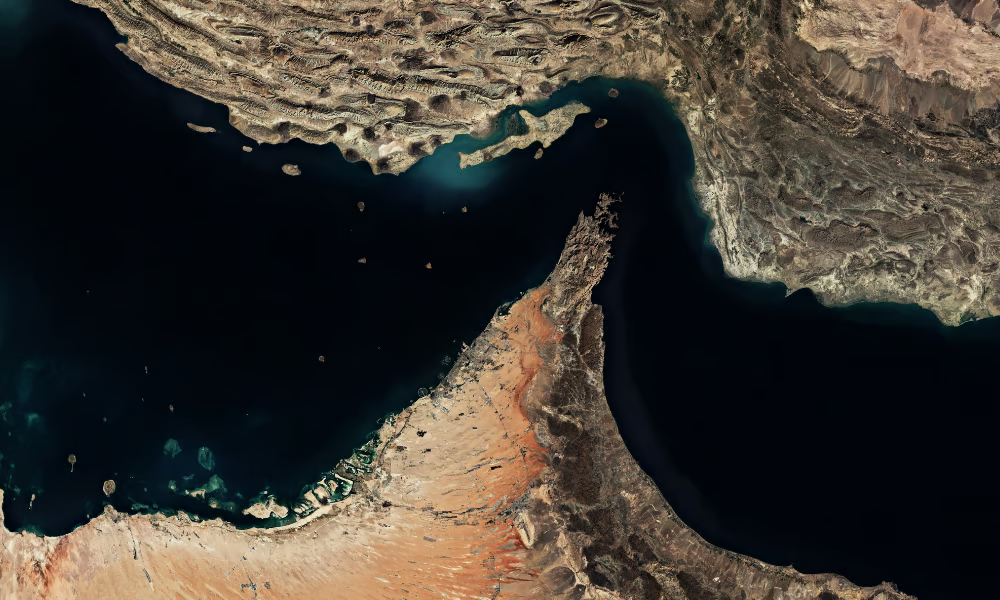
GFS Pride Sinking Confirmed by Maritime Authority
A small container ship slipped beneath the surface of the Strait of Hormuz this week, adding to marine war underwriters' concerns as attacks surge. The GFS Pride, a Singapore-flagged feeder vessel with room for 2,824 containers and managed out of the United Arab Emirates, was hit by an unidentified projectile while transiting the strait on Tuesday. It caught fire and sank. All 21 crew were evacuated and no injuries were reported, according to Singapore's Maritime and Port Authority, which condemned the strike as a breach of international law.
The ship, built in 2008, is only the second vessel to sink since US and Israeli strikes on Iran began on February 28, according to International Maritime Organization data cited by Reuters. A dry bulk carrier damaged in an earlier attack was also reported to be going down.
Conflicting Reports Over Cause of Sinking
Tehran tells a different story. Iran's Revolutionary Guard said through state media that the ship blew up after striking a naval mine on what it called an unauthorised route. The maritime security firm Marisks said there was no independent evidence of a mine, and characterised the claim as part of a campaign to frighten commercial shipping away from the waterway.
For the shipowner's hull war cover, the distinction may matter less than it sounds. The Institute War and Strikes Clauses used widely in the London market cover hostile acts by or against a belligerent power, and separately list derelict mines and other weapons of war, as an English High Court judgment sets out. For underwriters quoting the next transit, though, the cause matters a great deal. A targeted missile strike is one risk profile, whereas a seeded minefield presents a lane-wide hazard that no escort fully neutralises.
Surging War-Risk Premiums and Insurance Pressures
The sinking caps a brutal run. More than 20 vessels, most of them tankers, have come under attack in Hormuz, the Persian Gulf and the Gulf of Oman since October 1, according to UK Maritime Trade Operations reports. The IMO counts 106 confirmed incidents and 24 seafarer deaths since the conflict began, with two sailors missing and 12 injured this month alone.
Pricing has followed the violence. Brokers told the Financial Times last week that additional war risk premiums for tankers in the region now run at 6% to 10% of hull value, which can mean as much as $20 million for a single supertanker voyage into the Gulf, Marine Insight reported. Before the war, the going rate was about 0.25%, according to Marsh global head of marine Marcus Baker.
What the price buys is getting expensive to honour. A Howden Re estimate cited in August put market-wide claims across war, terror and political violence at $2 billion to $3 billion, more than the segment's estimated $1.5 billion to $2 billion in annual global premium. The GFS Pride adds a hull total loss to that tally, and possibly more. Pakistan's hydrographic office warned mariners of containers floating near the wreck, which points to cargo claims and potential wreck and debris liabilities for the ship's P&I club.
Broader Regional Security and Traffic Impacts
The economic stakes explain why owners keep sailing. Crude exports through Hormuz averaged about 8.5 million barrels a day in the week to October 12, nearly 40% below prewar levels, according to Kpler data reported by CNBC. Washington insists the waterway is open: US Central Command said American forces helped Gulf partners move more than 19 million barrels through the strait in a single day.
However, traffic remains thin and nervous. Analytics firm Windward counted 13 vessels crossing on October 4, against roughly 135 a day before the war, and estimated that about one in 50 ships transiting in the third quarter was hit. Owners are now offering tanker captains up to $100,000 a month to make the run.
The threat has also spread onshore. Iran-backed Houthi militants hit a Saudi Aramco administrative building in Dhahran overnight, starting a fire but injuring no one, CNBC reported, citing Saudi Arabia's energy ministry. Meanwhile, Rear Admiral Ali Ozmaei, who took command of the Revolutionary Guard's navy in July, told Iranian state-affiliated media that Tehran is "counting the moments" until it can sink American warships, CNBC reported. President Donald Trump said last Thursday that US forces would not attack Iran before the November 3 midterm elections.
In Israel, army chief Lieutenant General Eyal Zamir said on Wednesday that the military was reinforcing troop levels "across all fronts", citing an increased risk of escalation as the country heads into elections later in the month.
How significant is this development?
Cast your anonymous vote to register reader sentiment across business and policy circles.
CurrentDeck is dedicated to independent, evidence-backed reporting. This briefing was synthesized from primary source reporting, corroborated across independent newsrooms, and verified against our Editorial Standards.