Brenda Fricker, first Irish actress to win an Oscar, dies at 81
The Oscar-winning star of My Left Foot and Home Alone 2, known for her grit and resilience, passed away in Dublin following a storied six-decade career.
- Development: Brenda Fricker, first Irish actress to win an Oscar, dies at 81
- Core Takeaway: The Oscar-winning star of My Left Foot and Home Alone 2, known for her grit and resilience, passed away in Dublin following a storied six-decade career.
- Context: Primary reporting aggregated across independent newsrooms and verified against CurrentDeck standards.
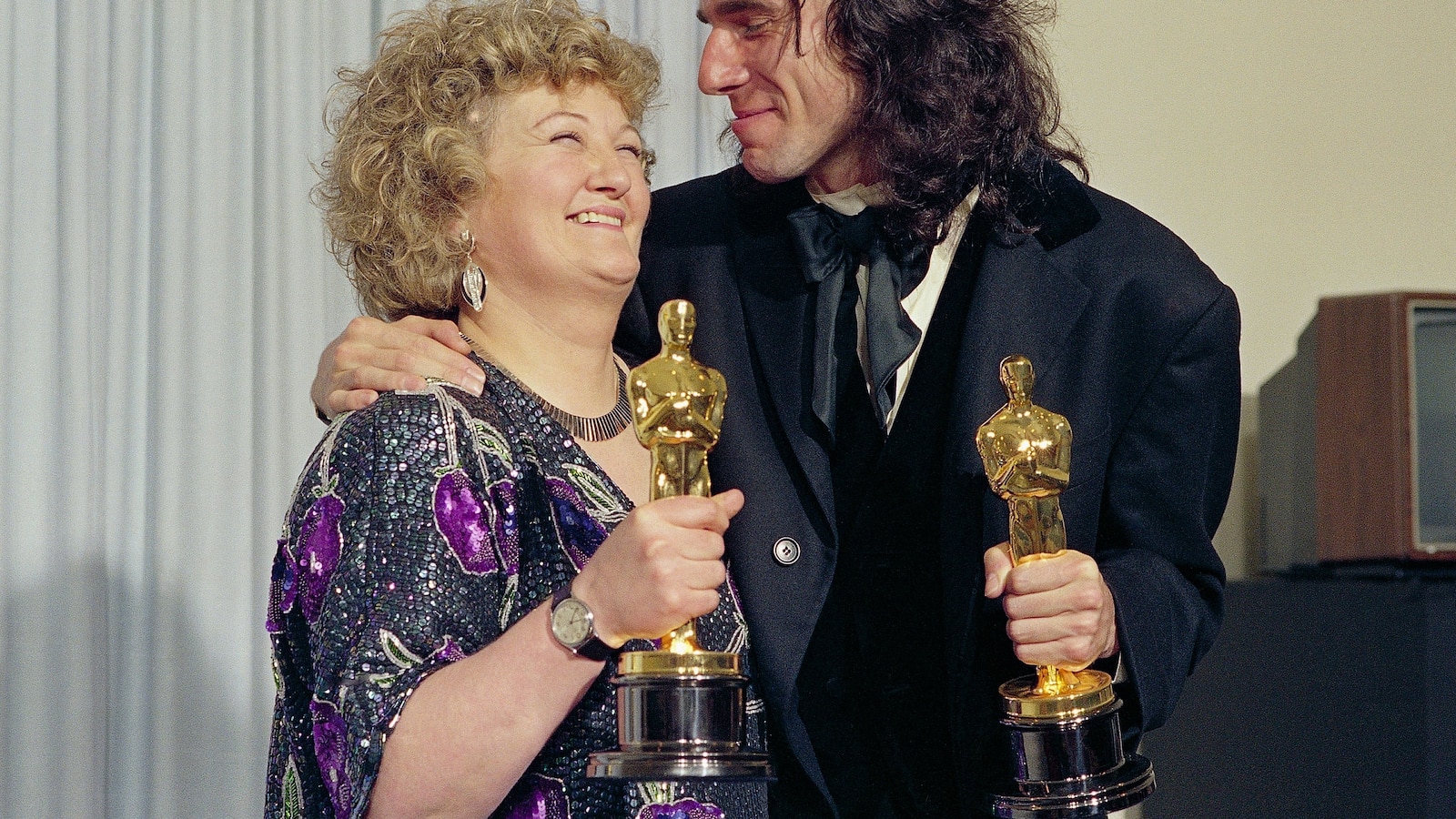
Brenda Fricker, the first Irish woman to win an Academy Award, has died at the age of 81. The Dublin-born character actor, known for her Oscar-winning performance in “My Left Foot” and her beloved role as the “Pigeon Lady” in “Home Alone 2: Lost in New York,” passed away Thursday night in Dublin after a period of ill health, her agent, Phil Belfield, confirmed. Her death marks the end of a career that spanned six decades, blending stage, screen, and television with a blend of grit, humor, and resilience.
Fricker’s Oscar win in 1990 for best supporting actress for her portrayal of Bridget Fagan Brown, the fiercely devoted mother of Christy Brown in “My Left Foot,” broke barriers. The film, directed by Jim Sheridan, told the true story of Brown, an Irish writer and artist born with cerebral palsy who could control only his left foot. Fricker’s performance, which earned her international acclaim, made her the first Irish woman to receive an Academy Award. “She was just an amazing actress, amazing character, forceful personality, great writer,” Sheridan said in a tribute, recalling her “obsessive” dedication to her craft.
The role, however, came with unintended consequences. Fricker later reflected that the Oscar “doomed me to being typecast forever playing roles as mothers.” She humorously noted that she once used the statuette to prop open her bathroom door, proof of the weight of both its significance and its burden. Despite the challenges, her career flourished, with appearances in over 90 films and television shows between 1964 and 2024. Among her most enduring roles was the “Pigeon Lady” in “Home Alone 2,” where she played a homeless woman who befriends Macaulay Culkin’s character in Central Park. The film, released in 1992, remains a holiday classic, and her performance cemented her status as a beloved figure in popular culture.
Beyond her iconic roles, Fricker’s life was marked by personal struggles and triumphs. Her 2025 autobiography, *She Died Young: A Life in Fragments*, revealed a harrowing childhood, including sexual violence, institutionalization, and mental health battles. She described being assaulted by a teacher at age eight and later raped at 17, experiences that left her “broken.” Despite these traumas, she channeled her pain into her work, often embracing roles that reflected her own resilience. “It’s all been luck… happy accidents,” she once said, reflecting on a career shaped as much by chance as by talent.
Fricker’s legacy extends beyond her performances. She was a trailblazer for Irish actors on the global stage, and her achievements were celebrated by figures including Ireland’s deputy prime minister, Simon Harris, who called her “a national treasure” and “an ambassador for Irish talent.” Colleagues and fans alike mourned her passing, with tributes highlighting her wit, authenticity, and enduring impact. “She lived her life courageously warts and all,” said *Casualty* co-star Cathy Shipton, while former co-star Derek Thompson praised her as “the best I have ever worked with.”
Fricker’s career also included notable collaborations with Irish and international stars. She appeared alongside Richard Harris in *The Field*, Cate Blanchett in *Veronica Guerin*, and Daniel Day-Lewis in *My Left Foot*, whose Oscar-winning performance as Christy Brown was paired with Fricker’s. She also faced the complexities of Hollywood’s power dynamics, recalling a fraught encounter with Harvey Weinstein during the promotion of *My Left Foot*. “He just emanated something off. He was just disgusting, like a big, sweating pig,” she later described.
Even in her final years, Fricker remained a vibrant presence. She was awarded the Freedom of the City of Dublin earlier this year, a recognition of her contributions to Irish culture. Her final film role was in *The Swallow* (2024), and her memoir, though painful to write, offered a raw and unflinching look at her life. “I had to write a book about my life before winning anything, because people identify me so much with that bloody thing,” she said, acknowledging the duality of her legacy.
As the world remembers Brenda Fricker, her work endures as proof of her artistry and perseverance. From the stage to the screen, she brought depth and humanity to every role, leaving an indelible mark on entertainment and Irish cultural history. “We will never see her like again,” her agent said, a sentiment echoed by fans and colleagues who will forever cherish her contributions to film and television.
How significant is this development?
Cast your anonymous vote to register reader sentiment across business and policy circles.
CurrentDeck is dedicated to independent, evidence-backed reporting. This briefing was synthesized from primary source reporting, corroborated across independent newsrooms, and verified against our Editorial Standards.