Housedigest exposes bad AI gardening hacks
Housedigest exposes bad AI gardening hacks
- Development: Housedigest exposes bad AI gardening hacks
- Core Takeaway: Housedigest exposes bad AI gardening hacks
- Context: Primary reporting aggregated across independent newsrooms and verified against CurrentDeck standards.
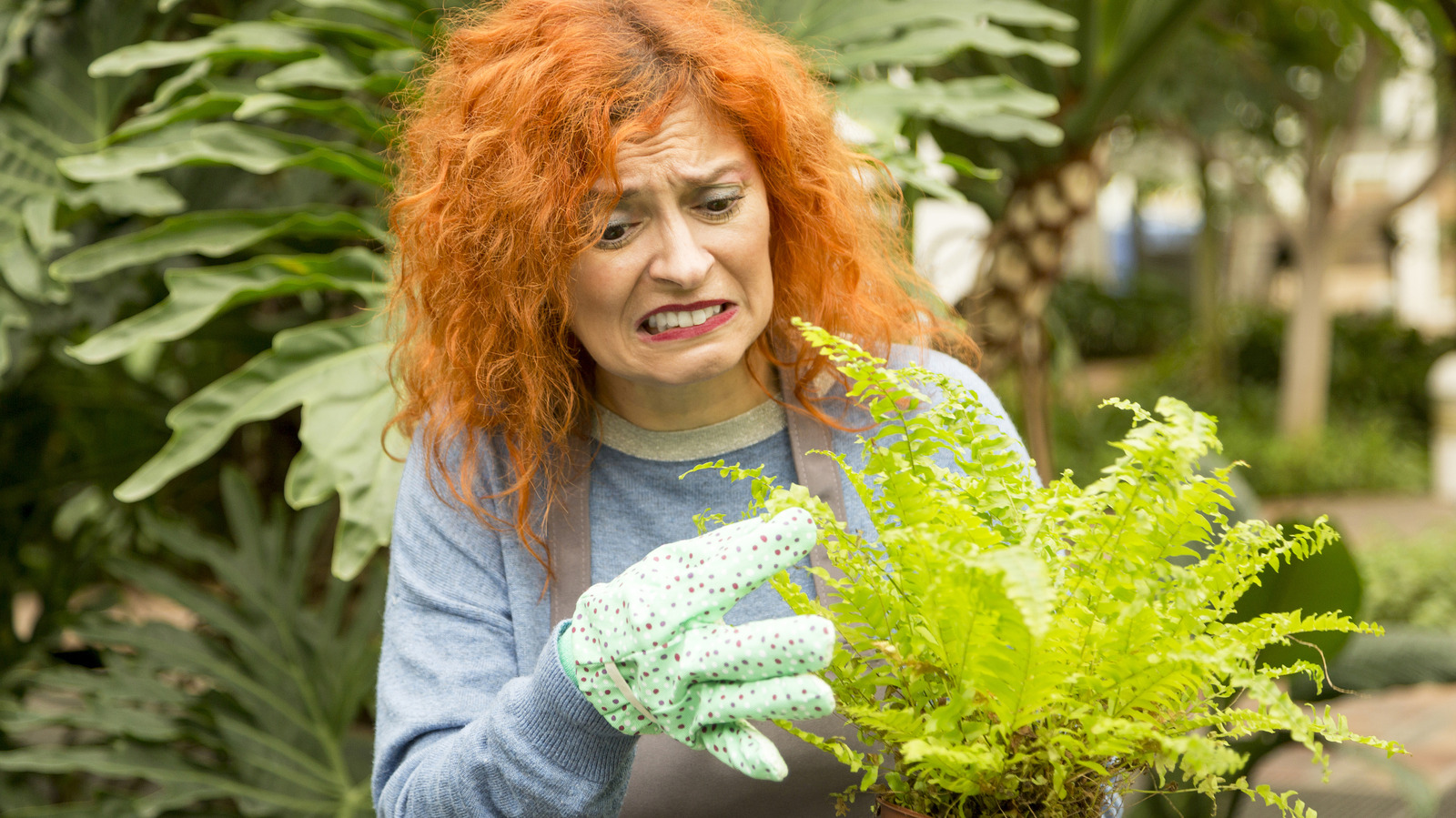
Housedigest Exposes Bad AI Gardening Hacks
A master gardener with over 20 years of experience as a permaculture specialist has taken to housedigest.com to expose the most unhinged AI gardening hacks that have been circulating on social media. These hacks, which range from ridiculous to downright dangerous, have been made possible by the rise of AI-generated content. The gardener, who has a deep understanding of soil health and plant quality, has identified several hacks that are not only useless but also potentially harmful to plants, soil, and even humans.One such hack involves using a stiletto heel to plant seeds. The idea behind this hack is to push the heel of the stiletto into the soil repeatedly and drop seeds into the resulting holes. However, the gardener points out that this method is not only unnecessary but also impractical. Instead of using a shoe, gardeners can simply use their fingers or a stick to plant seeds. As the gardener notes, "There's really no reason that I can see to waste time and over-complicate something as simple as planting seeds by involving a shoe, aside from the fact that I don't even own any heels and would rather spend my time in comfortable not-toe-crushing flats."
Another hack that has been circulating on social media involves using water as thermal mass to protect plants from frost. The idea behind this hack is to place bottles filled with water around plants to absorb heat during the day and release it at night. However, the gardener explains that this method is not effective and can even be harmful to plants. The bottles can reduce airflow around the plants, creating damp and sheltered spots that are ideal for pests and fungal pathogens. Moreover, the bottles can compact the soil, which is not good for soil or plant health. The gardener recommends mulching well and using a fleece row cover as a better alternative.
The gardener also exposes a hack that involves using an empty nursery pot to create a hole that is precisely the same shape and size as the root ball of a plant. While this hack may seem mildly useful, the gardener points out that it can be harmful to plants that are root-bound. Container-grown plants often have roots that circle around the inside of the pot, and creating a hole that is the exact same size as the nursery pot can prevent the roots from growing outward in a healthy fashion. The gardener advises gardeners to instead make a rough hole with their hands, unpot the plant, inspect and tease out the roots, and then backfill.
Other hacks that the gardener exposes include using cardboard tubes to plant tulip bulbs, burying raw eggs under plants as fertilizer, and using fabric softener as a homemade pest repellent. These hacks are not only ineffective but also potentially harmful to plants, soil, and humans. The gardener explains that using cardboard tubes to plant tulip bulbs is unnecessary and can even cause rot and decay. Burying raw eggs under plants can attract animals and create an environment for harmful bacteria, while using fabric softener as a pest repellent can disrupt the waxy cuticle that protects plant leaves and introduce unknown chemicals into the soil.
The gardener also warns against using cement-dipped towel planters, which have been circulating online for years. These planters are not only impractical but also fragile and can break easily. fresh cement is very alkaline and can change the pH of nearby soil, causing harm to plants. The gardener advises gardeners to instead look for beautiful secondhand concrete planters at a local yard sale or use household items to create planters.
In addition to these hacks, the gardener exposes a number of other AI-generated gardening hacks that are equally useless and potentially harmful. These include using an angle grinder to create a transplanting tool, putting diaper gel into potting soil, and melting down shredded plastic waste to create garden pavers and stepping stones. The gardener explains that these hacks are not only impractical but also dangerous and can cause serious injury or harm to the environment.
Overall, the gardener's expose of bad AI gardening hacks is a timely warning to gardeners to be cautious of the information they find online. While social media can be a useful resource for gardeners, it is essential to approach online advice with a critical eye and to consult with experienced gardeners and experts before trying out new methods. By doing so, gardeners can avoid wasting time and money on useless and potentially harmful hacks and instead focus on creating healthy and thriving gardens.
How significant is this development?
Cast your anonymous vote to register reader sentiment across business and policy circles.
CurrentDeck is dedicated to independent, evidence-backed reporting. This briefing was synthesized from primary source reporting, corroborated across independent newsrooms, and verified against our Editorial Standards.