US orders some diplomats to leave Saudi Arabia amid Houthi attacks
The US State Department has ordered non-essential diplomatic staff and families to leave Saudi Arabia following deadly Houthi attacks on airports and oil infrastructure.
- Development: US orders some diplomats to leave Saudi Arabia amid Houthi attacks
- Core Takeaway: The US State Department has ordered non-essential diplomatic staff and families to leave Saudi Arabia following deadly Houthi attacks on airports and oil infrastructure.
- Context: Primary reporting aggregated across independent newsrooms and verified against CurrentDeck standards.
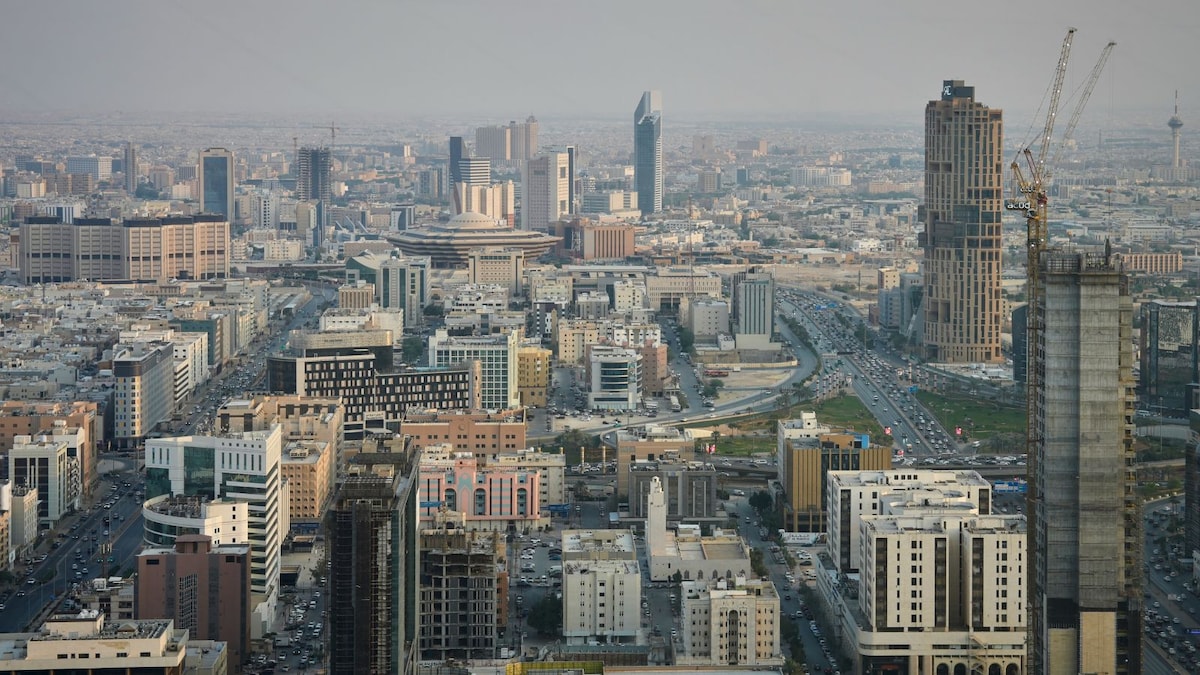
The United States has ordered the departure of non-essential diplomatic personnel and family members from Saudi Arabia following a series of deadly attacks attributed to Yemen's Iran-backed Houthi rebels. The directive, announced by the US State Department, affects the embassy in Riyadh and its satellite consulates, coming in the wake of attacks that have targeted civilian airports and critical energy infrastructure across the kingdom.
The US State Department Orders Partial Evacuation Amid Rising Regional Hostilities
According to State Department spokesperson Tommy Pigott, the department ordered the departure of non-emergency US government employees and their family members in Saudi Arabia. US officials told Reuters that US missions in other Gulf states would also be ordering family members to leave.
The US embassy in Riyadh had been badly damaged at the start of the conflict and had been operating with only a skeleton staff for months, although some diplomats had returned in recent months.
| Detail | Information |
|---|---|
| Affected US Staff | Non-essential employees and family members at the US Embassy in Riyadh and satellite consulates |
| Attacked Infrastructure | King Fahd International Airport (Dammam) and an Aramco-operated oil field in the country's southeast |
| Casualties at Airport | 1 killed, 8 injured (Civil Aviation Authority figures) |
| Casualties at Oil Field | 2 killed, 2 injured from intercepted drone debris (Energy Ministry figures) |
| Key Officials Mentioned | State Department spokesperson Tommy Pigott, Israeli Prime Minister Benjamin Netanyahu |
Deadly Strikes Hit King Fahd International Airport and Oil Field Facility
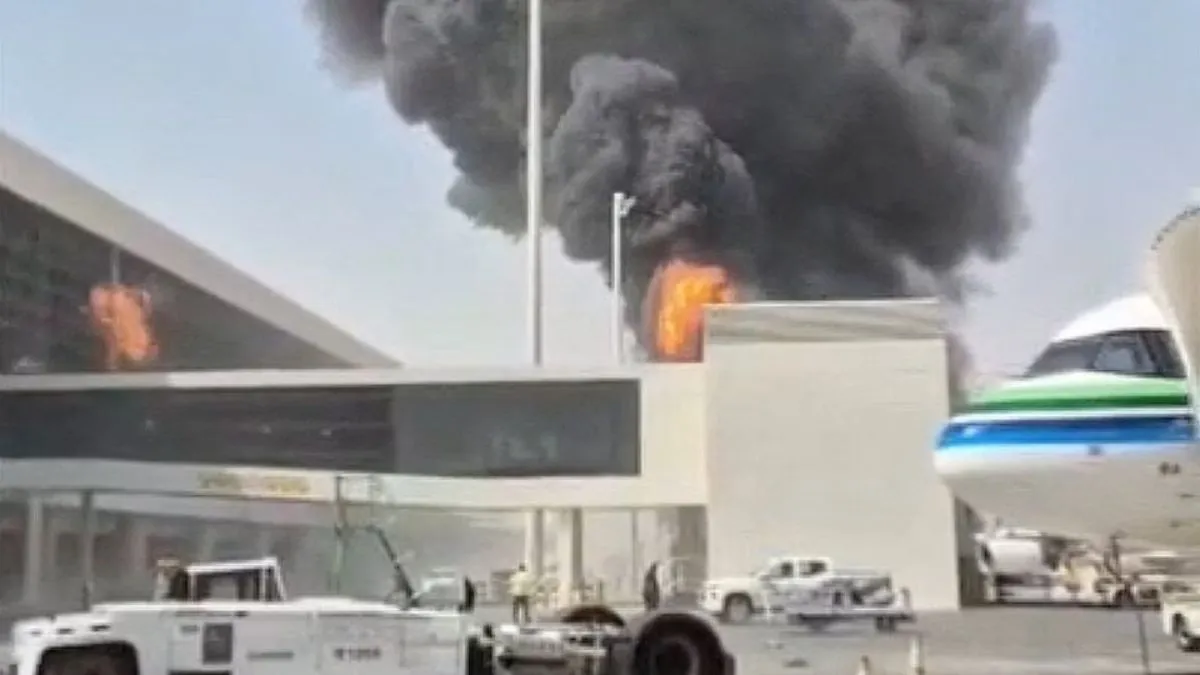
Security conditions in Saudi Arabia deteriorated sharply following recent strikes. A strike on King Fahd International Airport near the city of Dammam killed one person and injured eight others, according to Saudi Arabia's Civil Aviation Authority. Separately, Saudi Arabia's Energy Ministry reported that debris from an intercepted drone killed two people and injured two others at an Aramco-operated oil field in the country's southeast. The Saudi-led coalition fighting the Houthis stated that the group had fired five drones toward Saudi Arabia early Wednesday, which were intercepted and destroyed over Madinah and the Eastern Region.
The Houthis have acknowledged attacking the airport, claiming without evidence that Saudi Arabia provided military equipment to government forces through the facility. Major international carriers, including Lufthansa and Air France, have canceled flights to Riyadh through mid-November, while select Saudi airlines resumed limited operations with prior permission.
Wider Regional Conflict Pressures
The escalation in Saudi Arabia forms part of a broader regional conflict. Reports indicate that families of personnel at US embassies in the United Arab Emirates, Jordan, Qatar, and Bahrain are also being affected by departure plans or similar measures. Media reports note that Washington has been reducing its presence at bases throughout the Middle East amid ongoing regional developments.
Frequently Asked Questions
Which US personnel are required to leave Saudi Arabia?
The State Department ordered the departure of non-essential US government employees and their family members from the US Embassy in Riyadh and its satellite consulates.
What specific locations were targeted in the recent attacks?
Attacks struck King Fahd International Airport near Dammam and a facility at an Aramco-operated oil field in the country's southeast.
As regional tensions persist and international carriers adjust flight schedules into mid-November, the situation continues to develop across the region.
How significant is this development?
Cast your anonymous vote to register reader sentiment across business and policy circles.
CurrentDeck is dedicated to independent, evidence-backed reporting. This briefing was synthesized from primary source reporting, corroborated across independent newsrooms, and verified against our Editorial Standards.