India approves Takeda’s Qdenga as its first dengue vaccine for ages 4-60
The Drug Controller General of India has authorized the Qdenga vaccine, a milestone move to reduce hospitalizations and the growing dengue burden.
- Development: India approves Takeda’s Qdenga as its first dengue vaccine for ages 4-60
- Core Takeaway: The Drug Controller General of India has authorized the Qdenga vaccine, a milestone move to reduce hospitalizations and the growing dengue burden.
- Context: Primary reporting aggregated across independent newsrooms and verified against CurrentDeck standards.
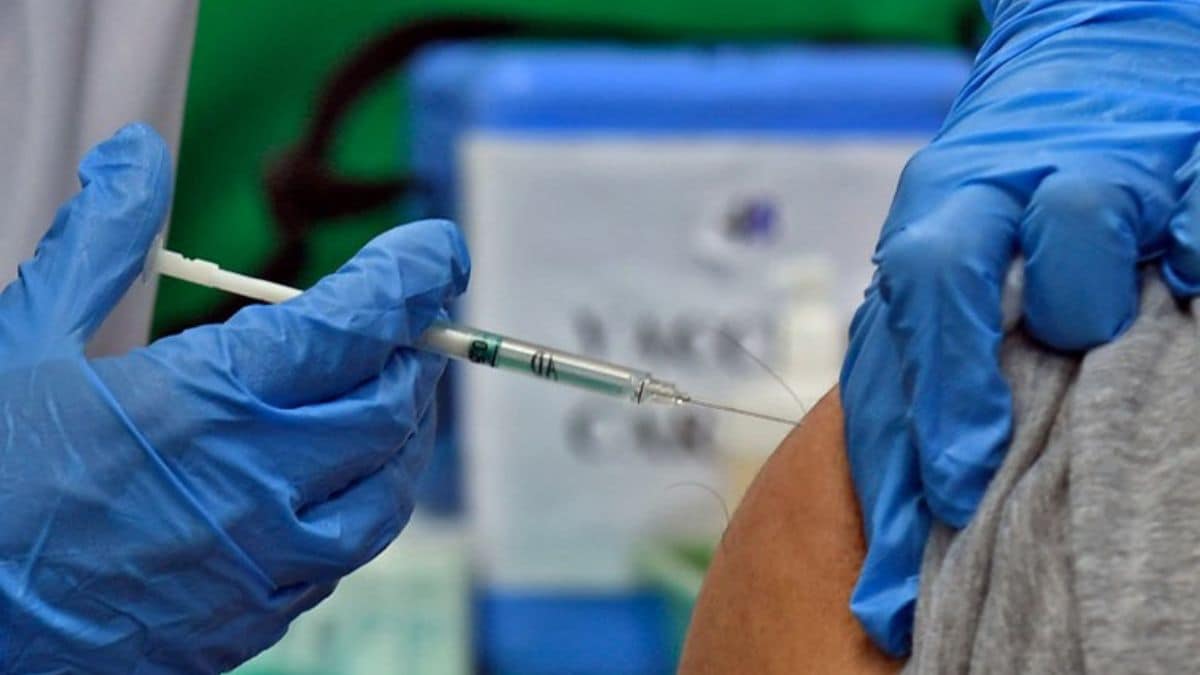
India has approved Takeda’s Qdenga as its first dengue vaccine, marking a pivotal step in combating the mosquito-borne disease that accounts for nearly one-third of the global dengue burden. The Drug Controller General of India (DCGI) granted marketing approval for the vaccine, which is authorized for individuals aged 4 to 60 years. Unlike earlier dengue vaccines, Qdenga does not require pre-vaccination testing or prior infection screening, streamlining its deployment in endemic regions.
Developed by Japanese pharmaceutical company Takeda, Qdenga is a tetravalent, live-attenuated vaccine designed to protect against all four dengue virus serotypes. It is administered as a two-dose subcutaneous regimen, with the second dose given three months after the first. The vaccine’s approval follows extensive clinical trials involving over 28,000 participants across 19 Phase I, II, and III studies. These trials demonstrated 84.1% efficacy in preventing dengue-related hospitalizations after 4.5 years and 80.2% overall protection against virologically confirmed dengue at 12 months. A Phase III trial conducted in India further confirmed its safety, tolerability, and immunogenicity across diverse age groups.
Takeda partnered with Indian vaccine manufacturer Biological E in 2024 to scale production, aiming to manufacture 50 million doses annually. This collaboration aligns with Takeda’s broader goal of producing 100 million doses yearly by the end of the decade. The vaccine has already been approved in 43 countries, including Brazil, Argentina, and Indonesia, and has received World Health Organization (WHO) pre-qualification, enabling its use in global immunization programs. Over 32 million doses have been distributed worldwide since its 2022 launch.
Dengue remains a critical public health challenge in India, where reported cases surpassed 113,000 in 2025, though experts estimate the true burden to be significantly higher. In 2025, official data recorded 121,824 cases and 131 deaths, with surveillance indicating a rising trend in 2026. The disease’s prevalence is exacerbated by rapid urbanization, climate factors, and mosquito proliferation, making it a year-round threat. Takeda’s Mahender Nayak emphasized that Qdenga’s long-term data shows sustained protection against all four serotypes, addressing the complexity of dengue’s transmission dynamics.
Qdenga’s approval is underpinned by findings from the pivotal Phase III TIDES trial, which involved over 20,000 participants across eight countries. The study revealed 90.4% efficacy in reducing dengue-related hospitalizations at 18 months and 84.1% protection against hospitalization after 4.5 years. Real-world evidence and ongoing pharmacovigilance further support its safety profile, with most side effects described as mild and temporary, such as injection site reactions or fatigue.
Takeda has pledged to collaborate with Indian regulatory bodies and public health stakeholders to ensure the vaccine’s availability and integration into national immunization programs. Peter Streibl, General Manager for Southeast Asia and India, highlighted the need for cross-border collaboration to strengthen dengue prevention, including surveillance, vector control, and community engagement. Dr. Goh Choo Beng, Medical Affairs Head for the region, noted that all four dengue serotypes are co-circulating in India, underscoring the vaccine’s broad protective potential.
The approval comes as India grapples with the dual challenges of rising dengue cases and limited treatment options. With no specific cure for dengue, prevention through vaccination is critical. Qdenga’s introduction is expected to bolster efforts to mitigate the disease’s impact, particularly in high-transmission areas. As Takeda and Biological E expand production, the vaccine’s availability could play a central role in reducing hospitalizations and easing the strain on healthcare systems.
How significant is this development?
Cast your anonymous vote to register reader sentiment across business and policy circles.
CurrentDeck is dedicated to independent, evidence-backed reporting. This briefing was synthesized from primary source reporting, corroborated across independent newsrooms, and verified against our Editorial Standards.