Long-term HIV survivors face unique challenges from aging and trauma
Decades after their initial diagnosis, long-term HIV survivors continue to face systemic gaps in care, the lasting trauma of the early epidemic, and new aging-related health complications.
- Development: Long-term HIV survivors face unique challenges from aging and trauma
- Core Takeaway: Decades after their initial diagnosis, long-term HIV survivors continue to face systemic gaps in care, the lasting trauma of the early epidemic, and new aging-related health complications.
- Context: Primary reporting aggregated across independent newsrooms and verified against CurrentDeck standards.
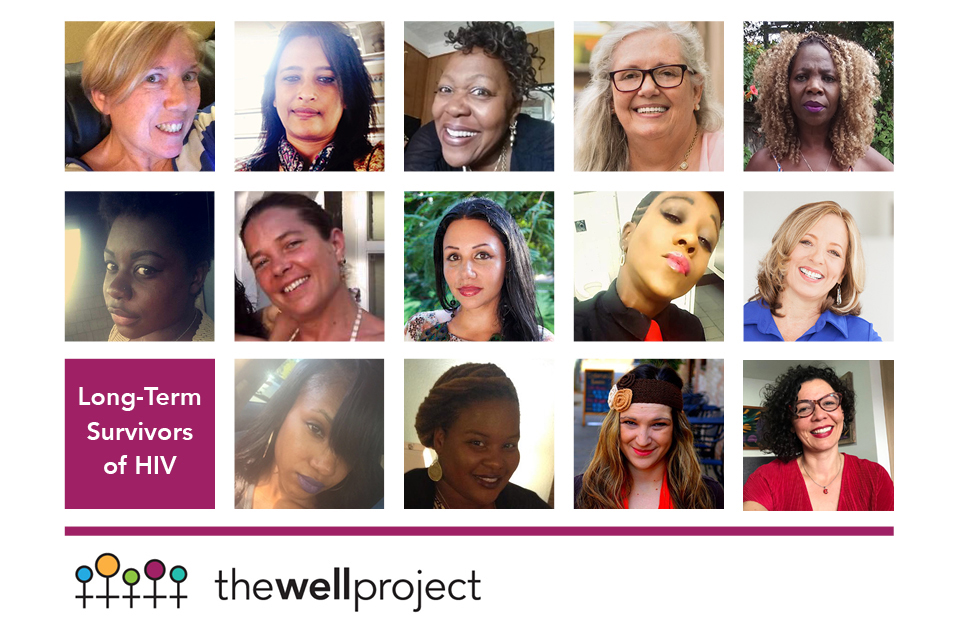
Long-term survivors of HIV, those who have lived with the virus for decades, face a complex web of challenges as they age, shaped by the trauma of the early epidemic, the physical toll of prolonged treatment, and ongoing societal stigma. Their stories reveal a legacy of resilience, but also the persistent gaps in care and support that continue to affect their lives.
For many, the journey began in the 1980s and 1990s, when an HIV diagnosis was often a death sentence. Stephen, a Brighton resident diagnosed in the early 1990s, recalls the despair of that era. “Without the care and commitment of the staff at the Sussex Beacon, I would have died,” he said, reflecting on the charity’s role in his survival. The Sussex Beacon, which has provided specialist palliative care for HIV patients for over 30 years, is one of the few organizations that has remained a lifeline for those who were diagnosed before effective treatments emerged. Its upcoming reopening of a 10-bed inpatient unit underscores the enduring need for such services, even as medical advancements have transformed HIV into a manageable condition for many.
Survivors like Stephen, who later developed HIV-related dementia, highlight the long-term health consequences of the virus. The Well Project’s fact sheet notes that decades of antiretroviral therapy have led to issues like lipodystrophy and peripheral neuropathy, while treatment fatigue and drug resistance remain significant concerns. For some, the psychological burden is equally profound. AIDS Survivor Syndrome (ASS), a term used to describe the trauma of surviving the epidemic’s worst years, manifests as survivor’s guilt, anxiety, and depression. “Why am I still here and my friends are gone?” one survivor wrote, echoing a sentiment shared by many who lost countless peers during the height of the crisis.
The emotional toll is compounded by financial instability. Many long-term survivors, particularly those diagnosed before the 1996 introduction of highly active antiretroviral therapy (HAART), were unprepared for a future they once believed they wouldn’t live to see. Vickie Lynn, a survivor who has relied on Social Security Disability Income for over a decade, described the frustration of navigating a system that often prioritizes dependency over reintegration. “Why does this all have to be so complicated and stressful?” she asked, a question that resonates with others facing similar struggles.
Community care and activism have been central to survival. The Well Project emphasizes the role of grassroots networks, from the early days of AIDS organizations like ACT UP to modern advocacy groups such as Let’s Kick ASS. These efforts have not only pushed for medical advancements but also addressed the social inequities that exacerbated the crisis. In the UK, the Sussex Beacon’s work exemplifies the critical role of specialized care, with staff providing support through serious illness and psychological trauma. “Without the care and commitment of the staff at the Sussex Beacon, I would have died,” Stephen said, underscoring the importance of such organizations.
Yet, challenges persist. The Sussex Beacon’s chief executive, Rachel Brett, warns that financial strains threaten the sustainability of specialized care. While government funding has supported infrastructure, rising operational costs remain a hurdle. Meanwhile, the legacy of stigma continues to affect survivors. Stephanie Stuart, a 54-year-old HIV-positive advocate, describes a world where the conversation around HIV has “quieted,” despite ongoing infections and deaths. “Everybody should know their status,” she said, advocating for renewed public awareness. Her words reflect a broader need to confront outdated perceptions, particularly among older adults, whose sexual health is often overlooked.
For some, the fight is personal. Paul Boakye, an “elite controller” who has lived without medication for over 40 years, sees his survival as both a medical miracle and a call to action. His involvement in research aims to uncover insights that could benefit millions, but he also grapples with the weight of his experience. “I have lived long enough to have seen whole communities vanish,” he said, a reminder of the human cost of the epidemic. His story, like those of countless others, shows how much honoring the past while advocating for a future where no one faces the same struggles.
As long-term survivors age, their needs evolve. The Well Project highlights the importance of end-of-life planning, mental health support, and addressing comorbidities like heart disease and cancer. Yet, for many, the most pressing issue remains the lack of recognition for their contributions. “Ours is not a movement simply about nostalgia, pain and grief,” one survivor wrote. “It is also proof of the resilience of the human spirit.” Their voices, though often marginalized, continue to shape the fight against HIV—and the broader struggle for equity in healthcare and society.
How significant is this development?
Cast your anonymous vote to register reader sentiment across business and policy circles.
CurrentDeck is dedicated to independent, evidence-backed reporting. This briefing was synthesized from primary source reporting, corroborated across independent newsrooms, and verified against our Editorial Standards.