US citizen working for humanitarian group in Congo tests positive for Ebola
CDC officials are working to trace contacts after a second American humanitarian worker contracted the deadly Bundibugyo virus in the DRC. The incident highlights the growing challenges in containing the region's fastest-growing Ebola epidemic.
- Development: US citizen working for humanitarian group in Congo tests positive for Ebola
- Core Takeaway: CDC officials are working to trace contacts after a second American humanitarian worker contracted the deadly Bundibugyo virus in the DRC. The incident highlights the growing challenges in containing the region's fastest-growing Ebola epidemic.
- Context: Primary reporting aggregated across independent newsrooms and verified against CurrentDeck standards.
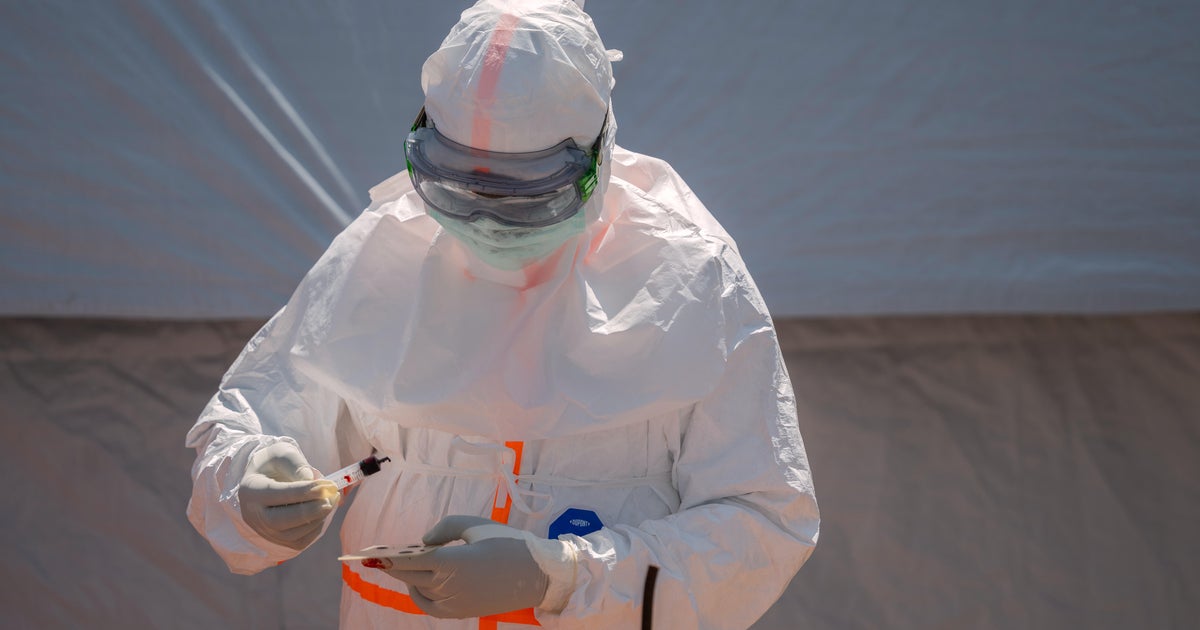
A U.S. Citizen working for a humanitarian organization in the Democratic Republic of the Congo has tested positive for the Ebola virus, according to the U.S. Centers for Disease Control and Prevention (CDC). The case marks the second known American infection in the ongoing outbreak, which the Africa Centres for Disease Control and Prevention has labeled the fastest-growing Ebola outbreak ever recorded on the continent.
Timeline of the Outbreak
The Congolese authorities declared a fresh Ebola outbreak on May 15, following weeks of undetected transmission, as reported by the World Health Organization. The current strain, the Bundibugyo virus, has no approved vaccine or treatment and has caused 1,830 confirmed cases and 648 deaths in the DRC, with cases also reported in neighboring Uganda. Earlier this year, an American doctor working in the region tested positive and was transferred to Germany for treatment, recovering after weeks of care. The latest case involves a second U.S. Citizen, whose gender remains unspecified, according to the CDC.
Official Response and Challenges
The CDC stated it is collaborating with the individual’s employer, U.S. Agencies, and Congolese public health authorities to trace close contacts and prevent further spread. A State Department spokesperson confirmed awareness of the case and described efforts to support the affected citizen. However, containment efforts face significant hurdles, including an ongoing conflict in eastern Congo that has displaced thousands and exacerbated the virus’s spread. Attacks on health centers and a lack of protective gear for healthcare workers further complicate response efforts.
The outbreak has also been hampered by a funding gap, according to reports. The Trump administration previously requested $1.4 billion in supplemental funding to address the crisis in the DRC, Uganda, and other regions. Additionally, a planned U.S. Initiative to relocate Americans exposed to Ebola abroad to a Kenyan facility was suspended after a Kenyan court issued an order halting the project.
Medical and Logistical Obstacles
The Bundibugyo virus, which causes severe and often fatal symptoms, has prompted urgent clinical trials for potential treatments. Researchers launched a study last week to evaluate new interventions, though no approved therapies are currently available. The lack of effective countermeasures has left healthcare workers and communities vulnerable, particularly in areas with limited resources and infrastructure.
The CDC’s involvement in the latest case underscores the growing international concern over the outbreak’s trajectory. While the agency has not disclosed details about the affected individual’s condition or the humanitarian organization they represent, it has emphasized its role in contact tracing and risk assessment. The Congolese authorities and their partners continue to address challenges such as mistrust and attacks on health centers, which have hindered efforts to control the outbreak.
Broader Implications
Health officials warn that the outbreak’s rapid growth—marked by a surge in cases that has outpaced previous Ebola epidemics—poses a critical risk to regional stability. The WHO has described the situation as “largely undetected” in some areas, raising concerns about underreporting and delayed interventions. As the DRC grapples with the dual crises of public health and conflict, the latest case serves as a stark reminder of the fragility of containment efforts in volatile environments. The CDC and its partners continue to monitor the situation, with the next steps likely to depend on the success of ongoing treatment trials, improved funding, and addressing challenges such as community mistrust and logistical barriers.
How significant is this development?
Cast your anonymous vote to register reader sentiment across business and policy circles.
CurrentDeck is dedicated to independent, evidence-backed reporting. This briefing was synthesized from primary source reporting, corroborated across independent newsrooms, and verified against our Editorial Standards.