Tanning bed resurgence among young adults sparks skin cancer concerns
Driven by social media trends and viral misinformation, tanning bed use is surging among young adults, raising urgent concerns about a rise in melanoma cases.
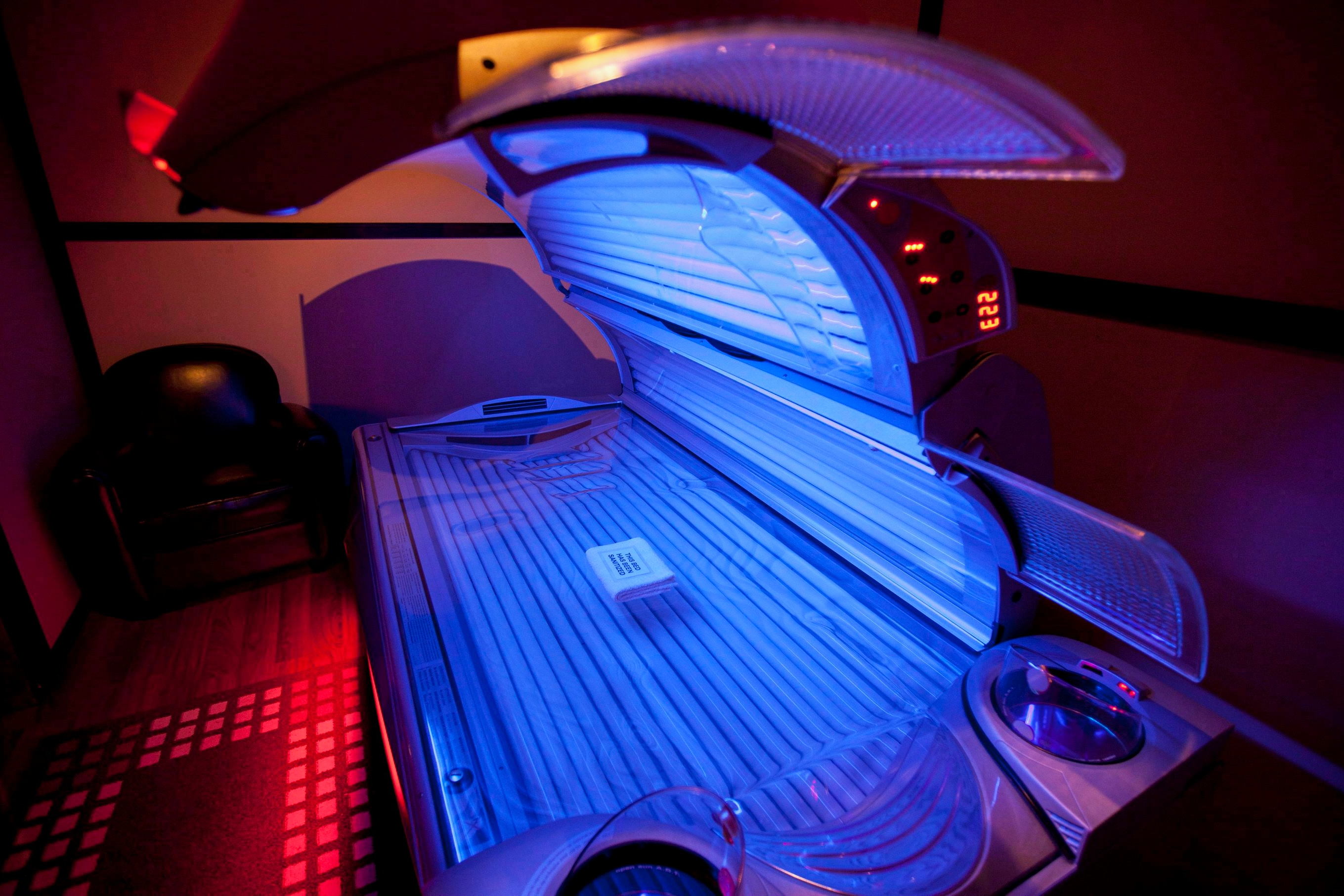
Tanning bed use is experiencing a significant resurgence among young adults, raising alarms among health professionals about the rising risk of skin cancer. The trend, fueled by social media and evolving cultural perceptions, has prompted renewed warnings about the dangers of ultraviolet exposure, even as regulatory efforts face setbacks.
Nichole Sims, a 26-year-old who began using tanning beds at 15, became a stark example of the risks. Diagnosed with melanoma eight years later, she now works to counter misinformation online, where videos promoting tanning as a “mood booster” and “beauty requirement” have amassed millions of views. One such video, showcasing a bikini tan line, has drawn over 11 million views, with comments joking, “The earth probably won’t last long anyway, I’d rather go out tan than pale.”
Experts warn that the appeal of tanning is outpacing public awareness of its health consequences. Dr. Pedram Gerami of Northwestern University’s medical school found that tanning bed users face nearly three times the risk of melanoma compared to nonusers. His research revealed that melanocytes, the skin cells prone to mutating into cancer, undergo DNA mutation rates more than double those of individuals exposed only to natural sunlight. “You only need like two or three mutations in the right place for it to turn into a melanoma,” Gerami said. “Tanning beds can emit more than 10 times as much UV light as the sun.”
The American Cancer Society estimates over 100,000 new melanoma cases will be diagnosed in the U.S. In 2026, with about 8,500 deaths expected. The World Health Organization classifies tanning beds as cancer-causing agents, akin to tobacco and asbestos. Yet, Gen Z adults remain particularly vulnerable: a 2025 survey by the American Academy of Dermatology found that more than one-fifth of young adults prioritize tanning over skin protection, while over half believe myths like “base tans” shield against sunburn. Some TikTok videos even falsely claim sunscreen causes cancer, urging viewers to tan during peak UV hours.
Dr. Anthony Rossi, a dermatologist at Memorial Sloan Kettering Cancer Center, noted the cultural shift. “Tanning is sort of cool again… and all the education about skin cancer and skin aging is sort of taking a backseat for the younger generation,” he said. Rossi, who used tanning beds in his youth, developed non-melanoma skin cancer years later. His experience underscores the long-term risks, particularly for those who start before age 20, when tanning bed use increases melanoma risk by 47%.
Regulatory efforts to curb access have faced challenges. California became the first state to ban tanning beds for minors in 2012, followed by over a dozen others requiring parental consent. However, the U.S. Food and Drug Administration recently withdrew a 2015 proposed rule to prohibit tanning bed use for those under 18, citing “unintended consequences.” The decision has drawn criticism from health advocates, who argue it sends conflicting messages about safety.
Parents and educators are exploring alternative strategies to address the trend. Sherry Pagoto, a psychologist at the University of Connecticut, emphasizes focusing on appearance rather than cancer risks. “What resonates more with them is physical appearance, because that’s why they’re doing it,” she said. Recommendations include using UV photos to reveal hidden skin damage, modeling safe behavior, and offering self-tanners as an alternative. “Change can sometimes take time,” Pagoto added. “You just have to wait for their process to unfold.”
As the debate over tanning’s risks continues, the intersection of social media influence, cultural norms, and regulatory gaps highlights the complexity of addressing a public health challenge that is both preventable and increasingly urgent.
CurrentDeck is dedicated to independent, evidence-backed reporting. This briefing was synthesized from primary source reporting, corroborated across independent newsrooms, and verified against our Editorial Standards.