FIFA president Gianni Infantino to examine 64-team World Cup expansion
FIFA is evaluating a proposal to expand the 2030 World Cup to 64 teams, sparking intense debate over the tournament's competitive integrity and global inclusivity.
- Development: FIFA president Gianni Infantino to examine 64-team World Cup expansion
- Core Takeaway: FIFA is evaluating a proposal to expand the 2030 World Cup to 64 teams, sparking intense debate over the tournament's competitive integrity and global inclusivity.
- Context: Primary reporting aggregated across independent newsrooms and verified against CurrentDeck standards.
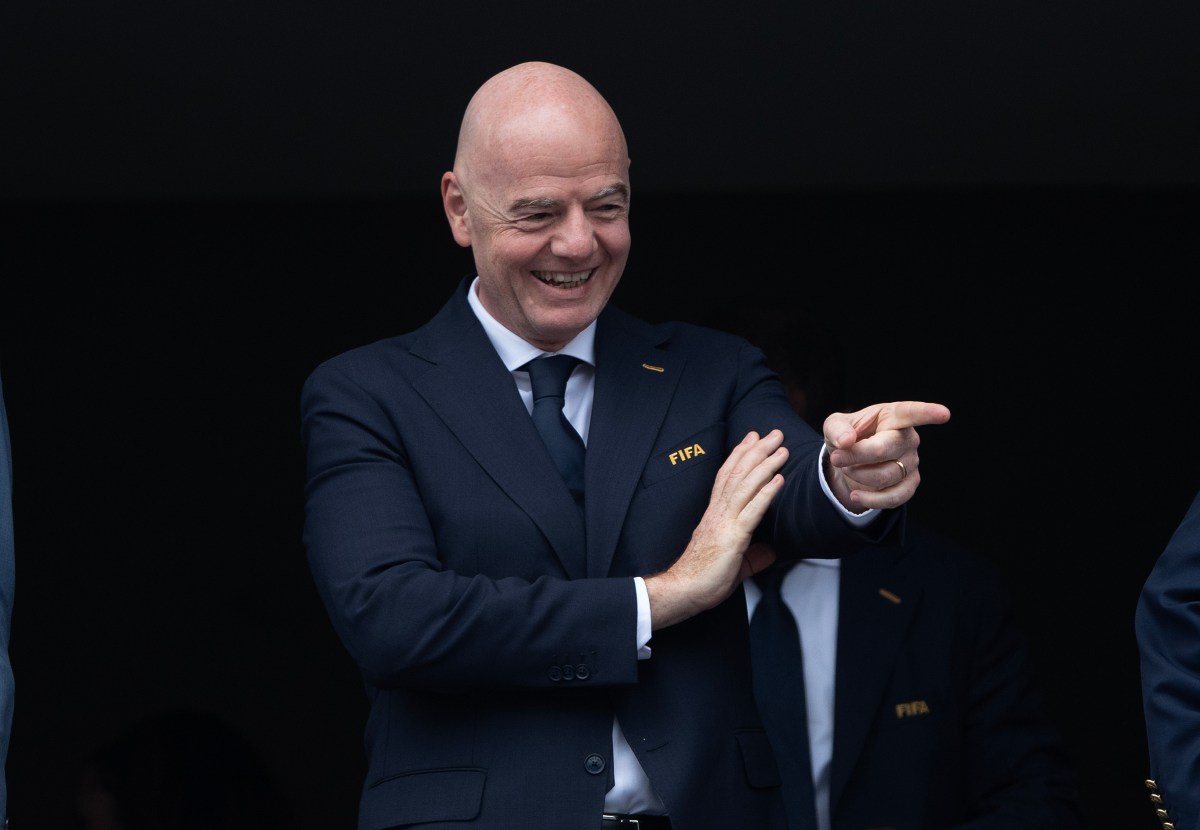
FIFA president Gianni Infantino has confirmed that the organization will examine the possibility of expanding the 2030 World Cup to 64 teams, a move that has sparked both optimism and resistance within global football. The decision comes after the 2026 tournament, the first to feature 48 teams, which Infantino described as a “100 percent a success.” The 2030 edition, set to be the centenary celebration of the World Cup, is already scheduled to span six nations across three continents, with Morocco, Portugal, and Spain as primary hosts and Uruguay, Argentina, and Paraguay hosting centenary matches. However, Infantino’s announcement has reignited debates over the tournament’s future scale, inclusivity, and competitive integrity.
Infantino emphasized that the World Cup must remain “for the whole world, not just Europe and South America,” citing the rising quality of teams globally and the need to incentivize smaller nations to invest in football. “Every nation should be allowed to dream of participating in the World Cup,” he stated, noting that the 2026 expansion had already seen nine out of 10 African teams reach the knockout stages — a significant shift from the 2018 tournament, which featured only five African teams. The 64-team proposal, which would add 16 nations to the current 48, has been championed by South American leaders, including CONMEBOL president Alejandro Dominguez, who called it a “dream” to “unite the world, just once.”
The push for expansion gained momentum after Uruguayan official Ignacio Alonso proposed the idea at a FIFA Council meeting in March 2025. Dominguez argued that a larger tournament would allow South American nations to host entire groups rather than just single matches, addressing their long wait to host the event again due to FIFA’s rotation policy. However, the proposal faces stiff opposition from key football bodies. UEFA president Aleksander Ceferin called it a “bad idea,” warning that it would dilute the tournament’s prestige and undermine European qualification processes. CONCACAF president Victor Montagliani echoed similar concerns, describing the plan as “not a great idea.”
Critics also argue that expanding the World Cup risks turning qualification into a formality for many nations. With 64 teams, more than a quarter of FIFA’s 210 men’s international teams would qualify, potentially reducing the stakes of regional competitions. Ghana’s head coach Carlos Queiroz famously criticized the 2026 expansion, calling the tournament “vulgar and ordinary” due to perceived declines in quality. Some analysts, however, suggest that a 64-team format could simplify the tournament structure, replacing the controversial selection of third-place teams with a more straightforward group-stage format. Under this model, 16 groups of four teams would advance the top two from each to the knockout rounds, eliminating the need for complex tiebreakers.
Despite Infantino’s openness to the idea, internal FIFA dynamics remain unclear. Reports indicate that while the president publicly supports exploring the proposal, behind-the-scenes enthusiasm has waned. The 2030 tournament’s logistical challenges — spreading matches across six nations and managing an increased number of games, also raise concerns. Saudi Arabia, set to host the 2034 World Cup, faces questions about its capacity to handle a 64-team format, which would require 128 matches. The debate reflects broader tensions within football governance. Proponents of expansion argue that inclusivity aligns with FIFA’s mission to globalize the sport, while opponents fear it could undermine the World Cup’s uniqueness. Infantino’s next steps will hinge on discussions within FIFA’s committees, though no final decision is expected soon. For now, the 48-team format remains in place, but the 2030 World Cup’s potential transformation hangs in the balance, symbolizing the sport’s ongoing struggle to balance tradition, accessibility, and competitiveness.
How significant is this development?
Cast your anonymous vote to register reader sentiment across business and policy circles.
CurrentDeck is dedicated to independent, evidence-backed reporting. This briefing was synthesized from primary source reporting, corroborated across independent newsrooms, and verified against our Editorial Standards.