DR Congo Ebola outbreak spreads to five provinces as death toll hits 672
The Bundibugyo Ebola strain has expanded across five provinces in the DR Congo, threatening to overwhelm healthcare capacity. Health officials are struggling to contain the rapid transmission amidst conflict and resource shortages.
- Development: DR Congo Ebola outbreak spreads to five provinces as death toll hits 672
- Core Takeaway: The Bundibugyo Ebola strain has expanded across five provinces in the DR Congo, threatening to overwhelm healthcare capacity. Health officials are struggling to contain the rapid transmission amidst conflict and resource shortages.
- Context: Primary reporting aggregated across independent newsrooms and verified against CurrentDeck standards.
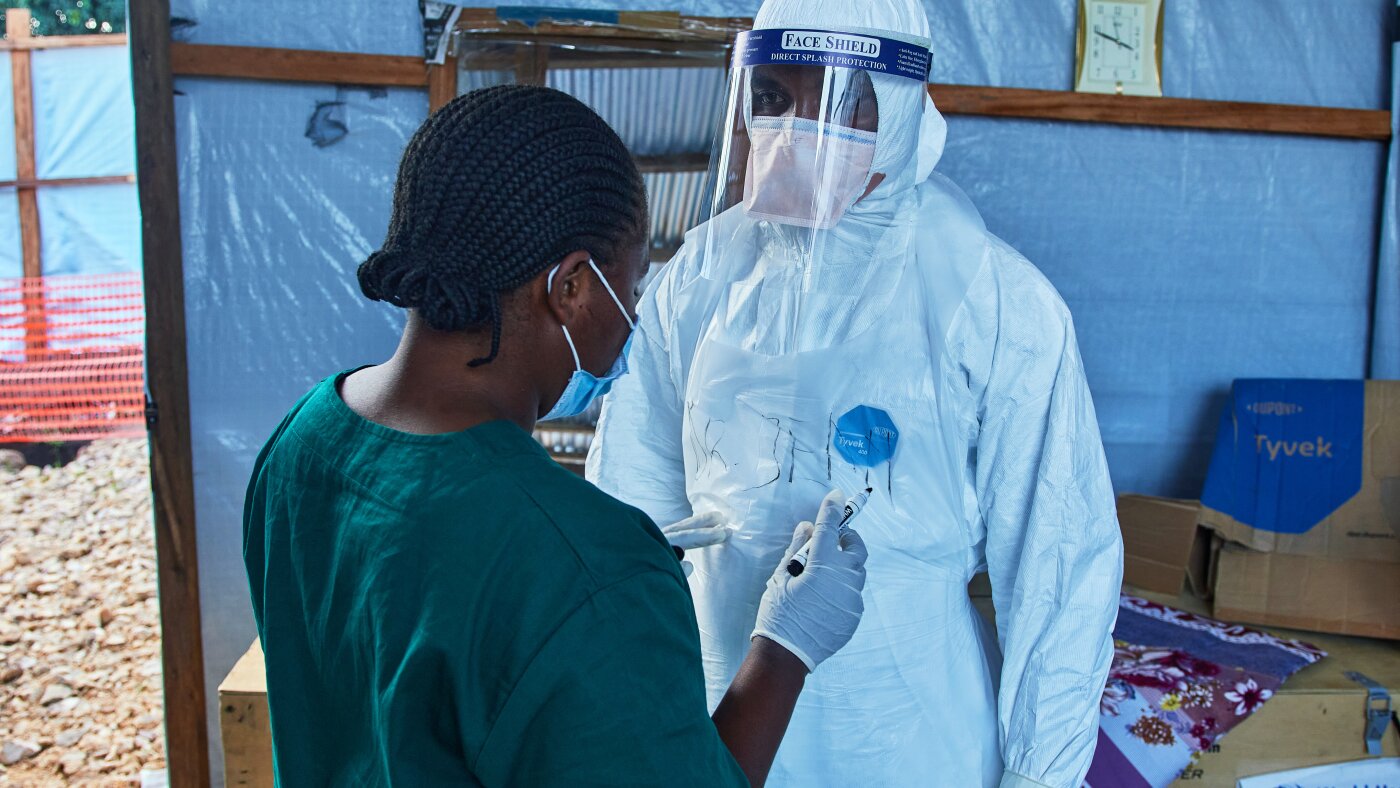
The Ebola outbreak in the Democratic Republic of the Congo has spread to five provinces, with the death toll reaching 672 and confirmed cases nearing 1,900, according to recent reports. The virus, caused by the Bundibugyo strain, has expanded beyond its initial epicenter in Ituri province, now affecting Tshopo, Haut-Uele, North Kivu, South Kivu, and other regions. Health authorities and international agencies warn the outbreak is the fastest-growing on the continent, with containment efforts complicated by conflict, resource gaps, and logistical challenges.
The outbreak, declared on May 15, 2026, has seen cases detected in previously unaffected areas, including Kisangani in Tshopo province and Haut-Uele. A government report noted two new suspected cases in Kisangani, one linked to the Nia-Nia health zone in Ituri and the other with no clear geographic connection. Investigations are ongoing to trace transmission chains, as the virus spreads through population movements and close contact. The total confirmed cases now stand at 1,873, with 672 deaths, while 763 patients remain in isolation or treatment facilities, operating at 95.1% capacity.
The Bundibugyo strain, which lacks an approved vaccine or treatment, has posed unique challenges. Clinical trials for potential therapies began in late June, but widespread access remains limited. The World Health Organization (WHO) has emphasized that the outbreak is occurring in a complex environment, compounded by ongoing conflicts in eastern Congo, a funding shortfall for response efforts, and attacks on health centers. These factors have hindered contact tracing, vaccination campaigns, and community engagement, slowing containment efforts.
Regional and global health bodies have sounded alarms about the outbreak’s trajectory. The CDC’s latest modeling suggests a worst-case scenario could see over 20,000 cases in the Democratic Republic of the Congo and Uganda, with more than 2,000 deaths, if isolation rates remain low and interventions falter. Even in a more optimistic projection, the risk of surpassing 10,000 cases within three months remains significant. The WHO has classified the public health risk as high nationally, moderate regionally, and low globally, but stressed the need for urgent action to prevent further spread.
Efforts to control the outbreak face additional hurdles. The virus’s incubation period, which can last up to 21 days, allows for silent transmission, while survivors may carry the virus in bodily fluids, necessitating long-term monitoring. The WHO has called for strengthened surveillance at borders and points of entry, as well as enhanced infection prevention measures in healthcare facilities. Neighboring countries have been urged to bolster readiness, given the potential for cross-border transmission.
The outbreak’s rapid growth has drawn comparisons to past epidemics, including the 2014-2016 West Africa crisis, which claimed over 11,000 lives. However, officials caution that the current situation is distinct, with unique challenges tied to the Bundibugyo strain and the volatile security context in eastern Congo. The WHO’s 2025 report on a prior outbreak in Kasai province highlighted the risk of zoonotic spillover, but the current strain’s origins remain under investigation. Epidemiological studies are ongoing to identify the source and prevent further community transmission.
As the outbreak intensifies, health workers and volunteers continue to operate in high-risk areas, despite threats from violence and mistrust. The government has reiterated its commitment to containing the virus, but international support remains critical. With the death toll rising and new provinces affected, the coming weeks will determine whether containment measures can keep pace with the outbreak’s spread.
How significant is this development?
Cast your anonymous vote to register reader sentiment across business and policy circles.
CurrentDeck is dedicated to independent, evidence-backed reporting. This briefing was synthesized from primary source reporting, corroborated across independent newsrooms, and verified against our Editorial Standards.