Nintendo reportedly evaluating 1080p OLED version of Switch 2 for 2028
Industry reports suggest Nintendo is considering an OLED upgrade for its upcoming Switch 2, following a similar hardware strategy used for previous console iterations.
- Development: Nintendo reportedly evaluating 1080p OLED version of Switch 2 for 2028
- Core Takeaway: Industry reports suggest Nintendo is considering an OLED upgrade for its upcoming Switch 2, following a similar hardware strategy used for previous console iterations.
- Context: Primary reporting aggregated across independent newsrooms and verified against CurrentDeck standards.
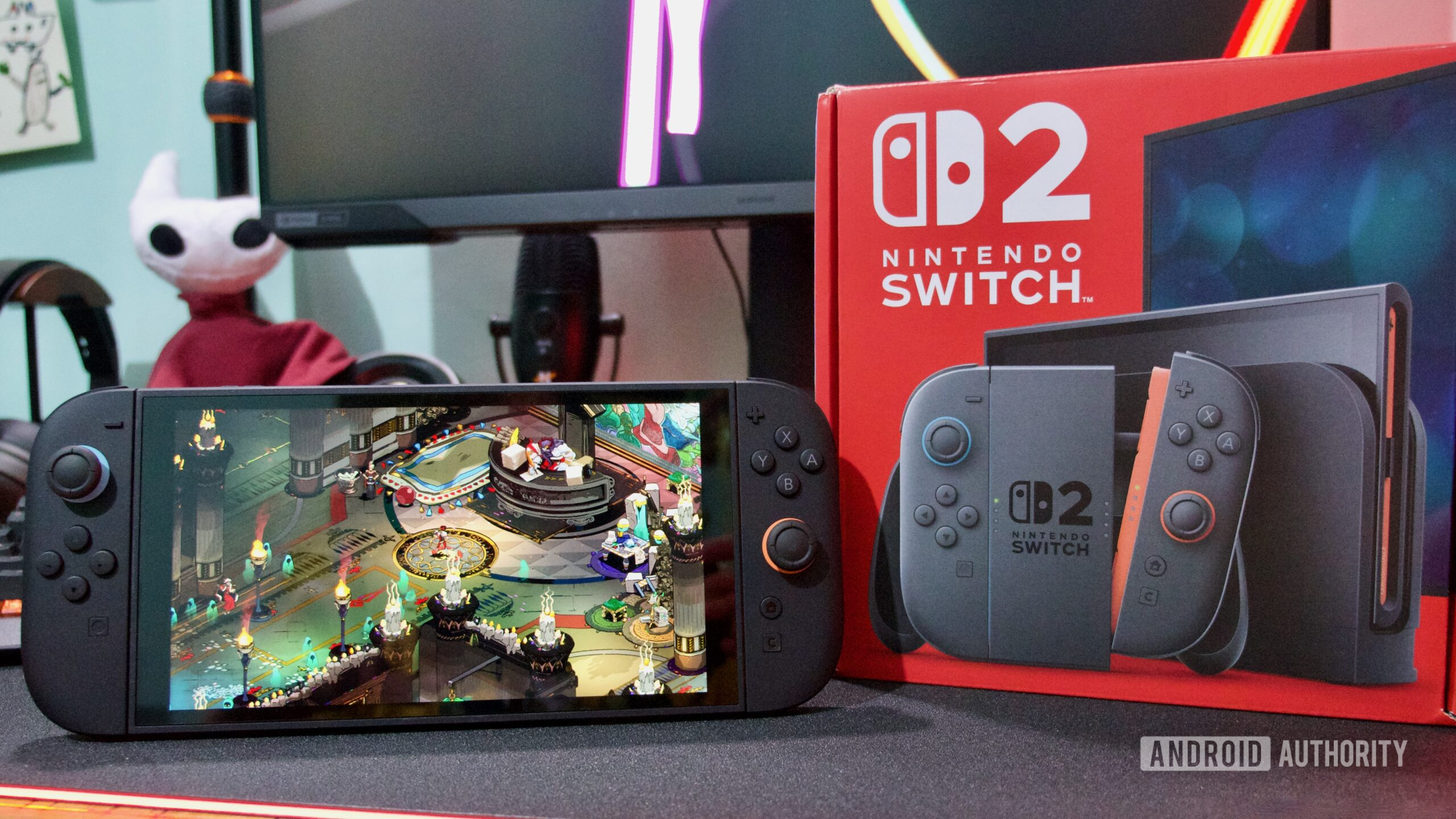
Nintendo is reportedly evaluating the development of an OLED version of the Switch 2, with potential launch timelines stretching into 2028, according to multiple industry reports. The move would mark a continuation of the company’s historical strategy of releasing premium variants of its hybrid console, following the original Switch OLED’s 2021 refresh. However, the project faces hurdles, including manufacturing costs, component shortages, and the need to balance user demand with financial feasibility.
Several sources, including ZDNet Korea and industry insiders, indicate that Nintendo is considering a Switch 2 OLED model featuring a 1080p resolution screen, a significant upgrade from the 720p display of the original Switch OLED. This would align with the company’s pattern of introducing higher-end iterations after initial LCD-based models. A report from notebookcheck.net cited an insider stating that if Nintendo proceeds, product development could begin by the end of 2026, with mass production potentially starting as early as late 2027 or early 2028.
Samsung Display, which supplied OLED panels for the 2021 Switch OLED, is expected to play a central role in the new model. Bloomberg and other outlets noted that Samsung has actively pushed to secure the contract for the Switch 2 OLED, citing its expertise in producing high-quality panels. However, the cost differential between OLED and LCD screens remains a critical barrier. One source highlighted that the price gap could complicate Nintendo’s plans, particularly amid ongoing global semiconductor supply chain challenges and rising manufacturing expenses.
Leaked prototypes have fueled speculation about the project’s progress. Chinese resale platforms reportedly listed “Switch 2 OLED middle frames” in white, a color scheme reminiscent of the original Switch OLED. While some analysts suggest these could be early-stage prototypes, others caution that the frames might not definitively point to an OLED model. A report from nintendoreporters.com noted that the white coloration could signal a premium variant, but without confirmed display components, the leak remains unverified. Similar frames were also spotted on Xianyu, with sellers claiming they were “trial production research and development” samples.
Nintendo’s decision to initially launch the Switch 2 with an LCD screen has drawn criticism from some users and reviewers, who argue that the OLED variant would enhance visual quality. The original Switch OLED, released four years after the first model, addressed issues like screen response time and color accuracy. A Switch 2 OLED could replicate this strategy, offering improved contrast, deeper blacks, and reduced motion blur. However, sources suggest that the internal hardware may remain largely unchanged to avoid fragmenting the user base.
The potential timeline for the OLED model aligns with Nintendo’s historical release cadence. The original Switch launched in 2017, followed by the OLED version in 2021. If the Switch 2 OLED follows a similar trajectory, it could debut around 2026, though some reports suggest a later rollout. A Bloomberg analysis noted that Samsung is preparing customized chips for the Switch 2, which could support a future OLED refresh. However, the company’s current focus appears to be on stabilizing Switch 2 production, with some outlets reporting supply shortages affecting availability.
Nintendo has not officially confirmed the OLED model, and the project remains speculative. A report from en.eloutput.com emphasized that the company’s decision hinges on market demand, production costs, and the need to maintain profitability. While some analysts predict the OLED version will eventually materialize, others caution that Nintendo may prioritize other initiatives, such as software releases or hardware updates, before committing to a new console variant.
The debate over the OLED model reflects broader tensions in the gaming industry. As handheld consoles increasingly compete with high-end PCs and mobile devices, users demand higher-resolution screens and better performance. The Switch 2’s LCD screen, while praised for its 120Hz refresh rate and HDR support, has faced criticism for issues like ghosting and limited contrast. An OLED upgrade could address these concerns, but Nintendo must weigh the financial risks against potential gains.
For now, the Switch 2 OLED remains in the realm of speculation. Nintendo’s next steps will likely depend on how the current model performs in the market, as well as the company’s ability to navigate supply chain challenges. If the project moves forward, it could redefine the hybrid console landscape, offering a premium alternative to the standard Switch 2. Until then, fans and analysts alike will continue monitoring leaks, supplier statements, and official announcements for signs of the next iteration.
How significant is this development?
Cast your anonymous vote to register reader sentiment across business and policy circles.
CurrentDeck is dedicated to independent, evidence-backed reporting. This briefing was synthesized from primary source reporting, corroborated across independent newsrooms, and verified against our Editorial Standards.


