Hurricane Isaias weakens to post-tropical cyclone after Florida landfall
Hurricane Isaias weakened to a post-tropical cyclone after striking the Florida Gulf Coast as a Category 2 storm, triggering power outages and emergencies.
- Development: Hurricane Isaias weakens to post-tropical cyclone after Florida landfall
- Core Takeaway: Hurricane Isaias weakened to a post-tropical cyclone after striking the Florida Gulf Coast as a Category 2 storm, triggering power outages and emergencies.
- Context: Primary reporting aggregated across independent newsrooms and verified against CurrentDeck standards.
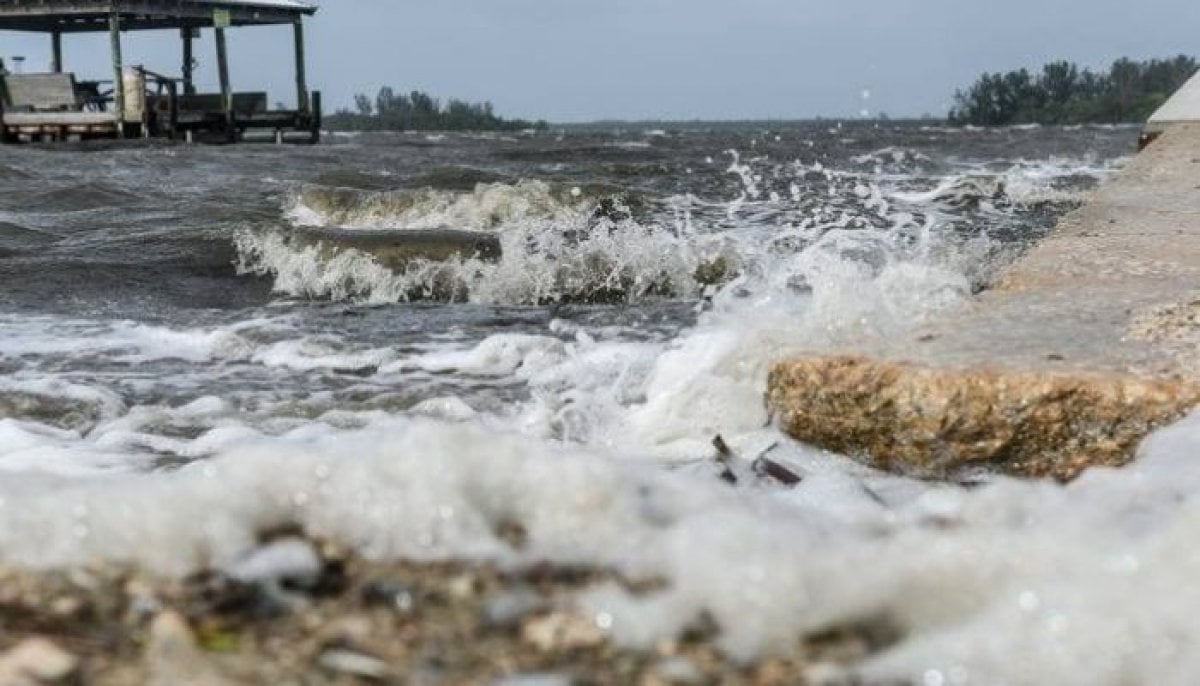
Hurricane Isaias made landfall on Friday night along the northern Gulf Coast of Florida near Destin as a Category 2 storm, bringing maximum sustained winds of 105 mph (169 kph) before swiftly degrading. The storm represents the first hurricane of the 2026 Atlantic season, which formed with a delay due to El Niño conditions.
As the system pressed inland across the western Florida Panhandle and into southern Alabama, it was downgraded to a post-tropical cyclone. Forecasters warned that despite the downgrade, the storm continued to pose severe hazards, including flash flooding, urban and river flooding, and life-threatening storm surges across the Southeast.
Storm Impact and Power Outages Across the Southeast
The system battered coastal and inland communities alike, tearing roofs from structures, snapping utility poles, and uprooting trees. In Pensacola, local authorities warned residents to stay off debris-strewn roadways as howling winds tore roofs from homes and businesses and knocked out power. Power outage tracking firms reported hundreds of thousands of homes and businesses plunged into darkness, with figures reporting over 430,000 in Florida, nearly 300,000 in Alabama, and approximately 40,000 in Georgia according to PowerOutage.us reports.
| Detail | Information |
|---|---|
| Landfall Location | Near Destin, Florida |
| Landfall Intensity | Category 2 storm |
| Maximum Sustained Winds at Landfall | 105 mph (169 kph) |
| Current Status | Post-tropical cyclone |
| Power Outages | Hundreds of thousands across Florida, Alabama, and Georgia |
Emergency Responses and Mandatory Evacuations
Governors across the region mobilized emergency services ahead of the impact. The governors of Mississippi, Alabama, and Florida declared states of emergency to fast-track federal assistance. Homeland Security Secretary Markwayne Mullin confirmed via X that emergency declarations had been approved for Florida and Alabama to ensure federal resources were available. Florida deployed approximately 5,000 National Guard soldiers and airmen for search-and-rescue and route-clearance duties, while wildlife officials readied airboats, shallow-draft vessels, and all-terrain vehicles.
Mandatory evacuation orders were issued for coastal communities and vulnerable non-residents. Senator Rick Scott urged residents in designated zones to evacuate immediately via social media, declaring, "DO NOT WAIT! Get out NOW!" Similarly, Alabama Governor Kay Ivey issued mandatory evacuations for non-residents, tourists, and visitors in key affected counties. In Houston County, Alabama, emergency management officials closed all roads indefinitely due to downed trees, snapped power lines, and active flash flood warnings.
President Donald Trump told reporters outside the White House that officials were watching the storm closely and that it was under control.
Frequently Asked Questions
When and where did Hurricane Isaias make landfall?
Hurricane Isaias made landfall on Friday night along the northern Gulf Coast of Florida near Destin.
What strength was the storm when it hit the coast?
The storm came ashore as a Category 2 hurricane with maximum sustained winds of 105 mph (169 kph).
Why was this hurricane considered unusual for the season?
Hurricane Isaias is the first hurricane of the 2026 Atlantic season, which formed with a delay due to El Niño conditions.
As Isaias continues its track across Alabama and into the Tennessee Valley over the weekend, emergency management agencies advise residents to remain sheltered indoors while post-tropical storm force winds and heavy rains persist well inland.
How significant is this development?
Cast your anonymous vote to register reader sentiment across business and policy circles.
CurrentDeck is dedicated to independent, evidence-backed reporting. This briefing was synthesized from primary source reporting, corroborated across independent newsrooms, and verified against our Editorial Standards.