Iran vows unforgettable lessons after two US troops killed in Jordan strike
Tensions between Washington and Tehran have reached a boiling point following a lethal attack on a US base in Jordan. Both nations are now signaling a shift toward full-scale offensive operations in the Gulf.
- Development: Iran vows unforgettable lessons after two US troops killed in Jordan strike
- Core Takeaway: Tensions between Washington and Tehran have reached a boiling point following a lethal attack on a US base in Jordan. Both nations are now signaling a shift toward full-scale offensive operations in the Gulf.
- Context: Primary reporting aggregated across independent newsrooms and verified against CurrentDeck standards.
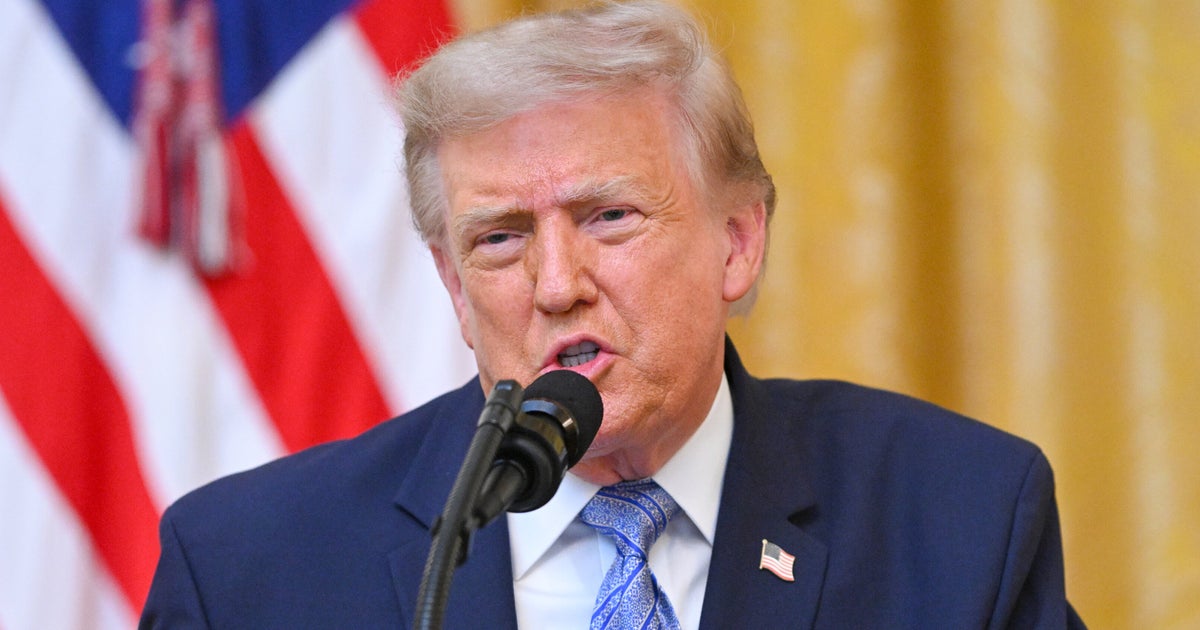
Iran’s supreme leader, Mojtaba Khamenei, has vowed to deliver “unforgettable lessons” to the United States if it continues attacking the Islamic Republic, as the conflict between the two nations escalates following the killing of two U.S. Troops in Jordan. The statement, broadcast on state television, came hours after the U.S. Military confirmed its first casualties from direct Iranian fire since the war began, with two service members killed and one missing in an attack on a base in the country. The incident marks a sharp intensification of hostilities, with both sides exchanging strikes on military and civilian infrastructure across the Gulf region.
The U.S. Central Command reported that the two troops were killed on Friday while defending against Iranian ballistic missile and drone attacks. Four other service members were hospitalized but later discharged. Since the war began, 14 to 16 U.S. Service members have been killed and over 430 wounded, according to conflicting reports from U.S. And Iranian sources. Iran’s deputy foreign minister, Kazem Gharibabadi, accused the U.S. Of violating a memorandum of understanding signed a month earlier, stating that Tehran would no longer honor its commitments. This move has further destabilized fragile diplomatic efforts, as both sides continue to escalate their military actions.
Iran’s strikes have targeted critical infrastructure in multiple Gulf states, including Kuwait, where a water desalination plant and an oil facility were damaged. The attacks forced the closure of Kuwait’s airspace and disrupted power supplies, while firefighters in the country treated injuries from blazes sparked by the strikes. In Bahrain, air defenses reportedly intercepted Iranian missiles, and Jordan’s military claimed to have shot down 10 Iranian missiles on July 18. The conflict has also spread to Iran itself, where U.S. Airstrikes reportedly damaged a desalination plant on Qeshm Island and a bridge near Bandar Abbas, a key port in the Strait of Hormuz.
The Strait of Hormuz, a vital artery for global oil trade, remains a focal point of the conflict. Iran has effectively closed the waterway to commercial traffic since February, leveraging its control to pressure the U.S. And its allies. The U.S. Has responded with airstrikes targeting Iranian infrastructure, including power plants and bridges, while also reimposing a naval blockade on Iranian ports. This cycle of retaliation has raised fears of broader regional instability, with the Gulf Cooperation Council’s secretary general condemning Iran’s strikes on civilian facilities as “war crimes.”
Khamenei’s warning of “unforgettable lessons” extends beyond direct military action, signaling potential retaliation through Iran’s regional allies, collectively known as the “Axis of Resistance.” Major General Mohsen Rezaei, a senior military adviser to the supreme leader, warned that Iran would abandon its current “retaliatory” approach and launch “full-scale offensive operations” if U.S. Strikes continue. The rhetoric underscores a shift in strategy, as Iran seeks to assert dominance over the Strait of Hormuz and challenge U.S. Influence in the region.
The conflict has also strained diplomatic channels, with mediators struggling to revive negotiations. U.S. President Donald Trump has threatened to target Iranian infrastructure, though no confirmation of such actions has been reported. Meanwhile, Iran’s energy ministry has urged citizens to reduce power consumption amid widespread disruptions, while the health ministry reported 50 deaths and over 500 injuries from U.S. Strikes in the past three weeks. Analysts note the paradox of a conflict that both sides have strategic reasons to avoid but neither is willing to compromise on, with each side viewing concessions as capitulation.
As the violence shows no signs of abating, the human and economic toll continues to mount. In Kuwait, residents have reported heightened anxiety, with increased demand for water and food supplies. In Iran, the destruction of critical infrastructure has disrupted daily life, while the global economy remains on edge over the potential for further escalation. With both nations entrenched in their positions, the prospect of a lasting resolution appears increasingly distant.
How significant is this development?
Cast your anonymous vote to register reader sentiment across business and policy circles.
CurrentDeck is dedicated to independent, evidence-backed reporting. This briefing was synthesized from primary source reporting, corroborated across independent newsrooms, and verified against our Editorial Standards.

