Indian police forcibly move activist Sonam Wangchuk to hospital after 20…
Activist Sonam Wangchuk has been forcibly moved to a Delhi hospital after 20 days of fasting, fueling protests against India's education minister and systemic exam failures.
- Development: Indian police forcibly move activist Sonam Wangchuk to hospital after 20…
- Core Takeaway: Activist Sonam Wangchuk has been forcibly moved to a Delhi hospital after 20 days of fasting, fueling protests against India's education minister and systemic exam failures.
- Context: Primary reporting aggregated across independent newsrooms and verified against CurrentDeck standards.
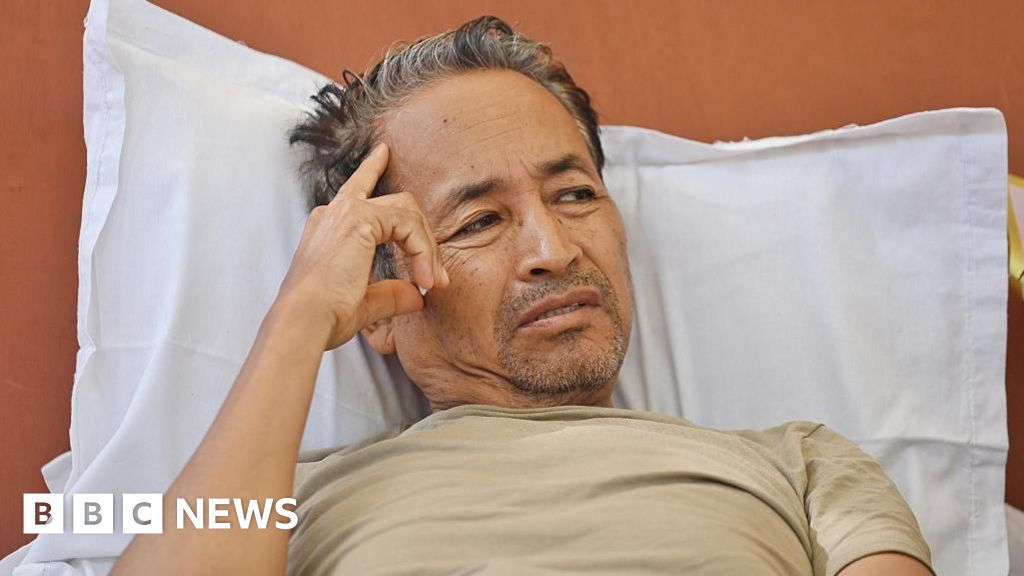
Indian police forcibly moved activist Sonam Wangchuk to a hospital on Saturday after 20 days of hunger strike, sparking widespread condemnation and intensifying protests over alleged educational system failures. The 59-year-old, a prominent education reformer and founder of the satirical Cockroach Janta Party (CJP), had been demanding the resignation of Education Minister Dharmendra Pradhan over exam leaks linked to student suicides. His removal from the Jantar Mantar protest site in New Delhi came amid a court order and medical directives, but activists accused authorities of using coercive tactics.
Wangchuk, who began his hunger strike on June 28, had lost over 9kg and was described as “weak” and “mildly dehydrated” upon hospital admission. A Delhi High Court had ordered government doctors to monitor his health daily following concerns about his survival. Police stated he was moved “in compliance with a court order and medical advice,” but protesters claimed the action was “forcible” and “without consent.” Videos from the scene showed officers covering Wangchuk with bedsheets before transporting him to Safdarjung Hospital, where his wife, Gitanjali Angmo, confirmed his admission. She urged authorities to avoid administering “oral or intravenous” treatments without family approval, emphasizing his ongoing fast.
The CJP, which gained 21 million Instagram followers after a Supreme Court chief justice likened unemployed youth to “cockroaches,” condemned the move as a “grave mistake.” Founder Abhijeet Dipke, who announced an indefinite hunger strike in Wangchuk’s place, accused police of “kidnapping” the activist and vowed to proceed with a planned march to Parliament on Monday. “The resolve and movement will only get stronger,” he declared, despite Wangchuk’s weakened condition. The protest, initially focused on exam reforms, now includes demands for Prime Minister Narendra Modi’s resignation, following the activist’s removal.
Delhi Police cited “deteriorating health” and a court directive as reasons for the intervention. Deputy Commissioner Sachin Sharma stated the action was “for essential medical care,” while urging protesters to “peacefully vacate” Jantar Mantar. However, the CJP and opposition figures criticized the move as “shocking coercive state violence.” Former Delhi chief minister Arvind Kejriwal, who visited Wangchuk days earlier, called for the government to “listen to students and Wangchuk,” while opposition MPs condemned the action as an “assault on democracy.”
The hunger strike originated in May after a medical entrance exam was canceled due to a paper leak, affecting 2.2 million students. The incident, linked to multiple suicides, fueled nationwide outrage. Wangchuk, known for water conservation projects in the Himalayas, framed his protest as part of a broader movement against systemic corruption. “Smaller movements have brought down many governments in India… and here it is about education,” he said hours before his removal. His refusal to end the fast, despite health risks, underscored the movement’s defiance of authorities.
Authorities increased security at Jantar Mantar, deploying paramilitary forces and barricades. The CJP, however, insisted the march to Parliament would proceed, with Dipke vowing to “march peacefully” despite the activist’s hospitalization. Wangchuk’s wife reiterated his determination, stating he remained “alert and very strong” despite physical weakness. Meanwhile, the government faced pressure to address the crisis, with critics arguing the crackdown risked escalating tensions. The next steps hinge on Wangchuk’s health, the CJP’s mobilization, and the government’s response to growing public dissent over educational and political reforms.
How significant is this development?
Cast your anonymous vote to register reader sentiment across business and policy circles.
CurrentDeck is dedicated to independent, evidence-backed reporting. This briefing was synthesized from primary source reporting, corroborated across independent newsrooms, and verified against our Editorial Standards.

