Trump administration subpoenas NYT reporters over Air Force One leak probe
Federal agents have subpoenaed New York Times journalists as part of a probe into leaked information regarding the security of the new Air Force One aircraft. The move has sparked a heated legal battle over press freedom and government transparency.
- Development: Trump administration subpoenas NYT reporters over Air Force One leak probe
- Core Takeaway: Federal agents have subpoenaed New York Times journalists as part of a probe into leaked information regarding the security of the new Air Force One aircraft. The move has sparked a heated legal battle over press freedom and government transparency.
- Context: Primary reporting aggregated across independent newsrooms and verified against CurrentDeck standards.
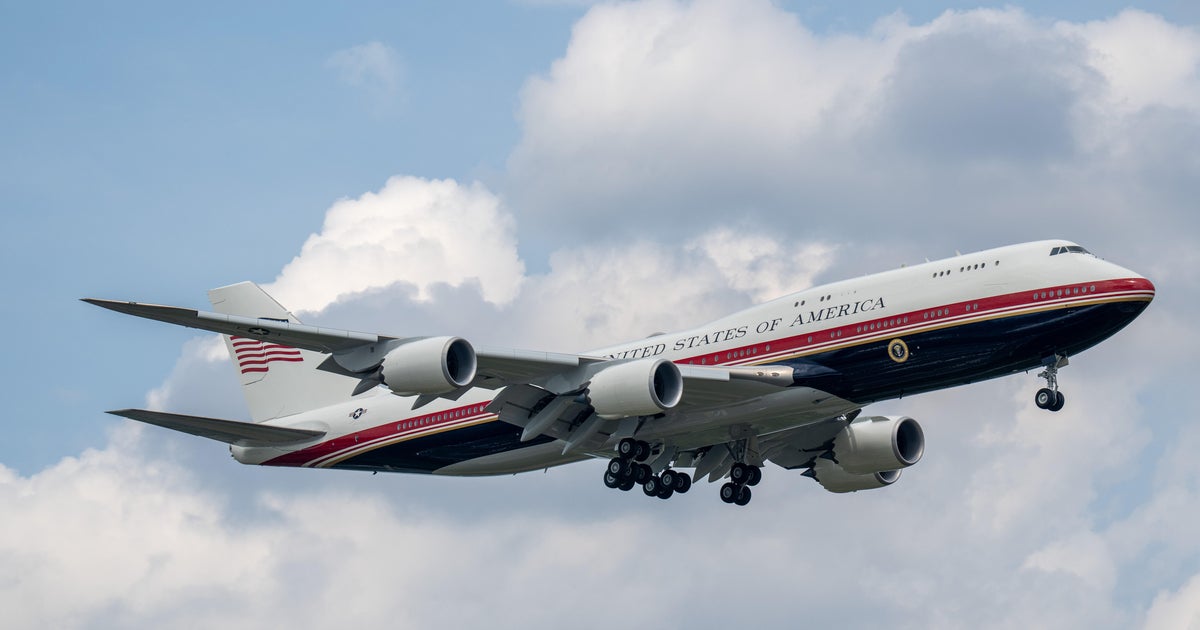
The Trump administration has issued subpoenas to four New York Times journalists over their reporting on security concerns involving the new Air Force One, according to multiple news outlets. The subpoenas, delivered by federal agents to the reporters’ homes, compel them to testify before a federal grand jury in Manhattan on Wednesday, according to reports from CBS News, Newsweek, and WRAL. The journalists named in the subpoenas include Julian E. Barnes, Eric Lipton, Tyler Pager, and Eric Schmitt, all of whom were involved in the newspaper’s coverage of the plane’s security flaws, as reported by Newsweek and WRAL.
The controversy stems from the Times’ reporting on President Donald Trump’s abrupt decision to switch planes during a trip to Turkey and the UK. The new Air Force One, a Qatari-gifted Boeing 747 that underwent a $400 million retrofit, was reportedly flown ahead to a Royal Air Force base in England before Trump departed Turkey. Security personnel reportedly advised the switch to the older model, citing concerns about the newer jet’s lack of advanced security features, including antimissile capabilities, according to CBS News and WRAL. The Times’ reports, which relied on anonymous sources, alleged that the decision was made at the urging of the Secret Service amid heightened tensions with Iran, though Trump denied any security-related motives, as noted in CBS News and WRAL.
The Department of Justice (DOJ) stated that the subpoenas target individuals who may have leaked classified information, emphasizing that “reporters are not the targets, those leaking classified information are.” A DOJ spokesperson reiterated that the agency “will continue to investigate breaches of national security” and stressed its commitment to ensuring “people entrusted with our nation’s secrets do what they’re supposed to do with that information.” However, the Times’ legal team condemned the move, with David McCraw, the newspaper’s newsroom lawyer, calling it a “brazen act” aimed at silencing journalists and undermining the public’s right to know, as reported by CBS News and WRAL.
The administration’s actions have drawn sharp criticism from press advocacy groups. The Reporters Committee for Freedom of the Press argued that the subpoenas “break from longstanding Justice Department practice” by targeting reporters without exhausting other investigative avenues, according to CBS News. Seth Stern of the Freedom of the Press Foundation accused the administration of conflating national security with “reputational security,” suggesting the move was driven by embarrassment over the plane’s perceived vulnerabilities, as cited in WRAL. “Without them, we’d never know about this sort of waste and incompetence,” Stern said, referring to journalists and whistleblowers.
The context of the subpoenas is intertwined with broader tensions between the Trump administration and the media. Earlier this year, the Justice Department issued subpoenas for reporters at The Washington Post and The Wall Street Journal, though it later withdrew them, according to WRAL. The Times’ legal team has vowed to challenge the current subpoenas, citing constitutional protections for press freedom. The administration’s history of targeting critical outlets—including lawsuits, threats to revoke broadcast licenses, and efforts to influence editorial content—has further fueled concerns about a pattern of intimidation, as noted in mysuncoast.com.
The White House has consistently denied any security shortcomings with the new Air Force One, calling it a “state-of-the-art aircraft” equipped with “high-level security protocols,” according to CBS News. A spokesman for the administration reiterated this stance, stating that the plane’s capabilities were sufficient to ensure the president’s safety. However, the Times’ reporting and the administration’s response have intensified scrutiny over the $400 million retrofit, with critics questioning whether the aircraft met the standards expected for such a critical role, as reported by CBS News and WRAL.
The case has reignited debates about the balance between national security and journalistic accountability. While the DOJ maintains that it is pursuing leaks, critics argue that the subpoenas risk chilling investigative reporting and eroding public trust in government transparency. As the grand jury hearing approaches, the outcome could set a precedent for how federal authorities handle similar cases in the future, with significant implications for the relationship between the press and the executive branch, according to WRAL and CBS News.
How significant is this development?
Cast your anonymous vote to register reader sentiment across business and policy circles.
CurrentDeck is dedicated to independent, evidence-backed reporting. This briefing was synthesized from primary source reporting, corroborated across independent newsrooms, and verified against our Editorial Standards.