Trump to continue Iran negotiations despite declaring ceasefire over
President Trump has officially ended the U.S.-Iran ceasefire following renewed military strikes and shipping attacks, though the administration is still pursuing mediated negotiations.
- Development: Trump to continue Iran negotiations despite declaring ceasefire over
- Core Takeaway: President Trump has officially ended the U.S.-Iran ceasefire following renewed military strikes and shipping attacks, though the administration is still pursuing mediated negotiations.
- Context: Primary reporting aggregated across independent newsrooms and verified against CurrentDeck standards.
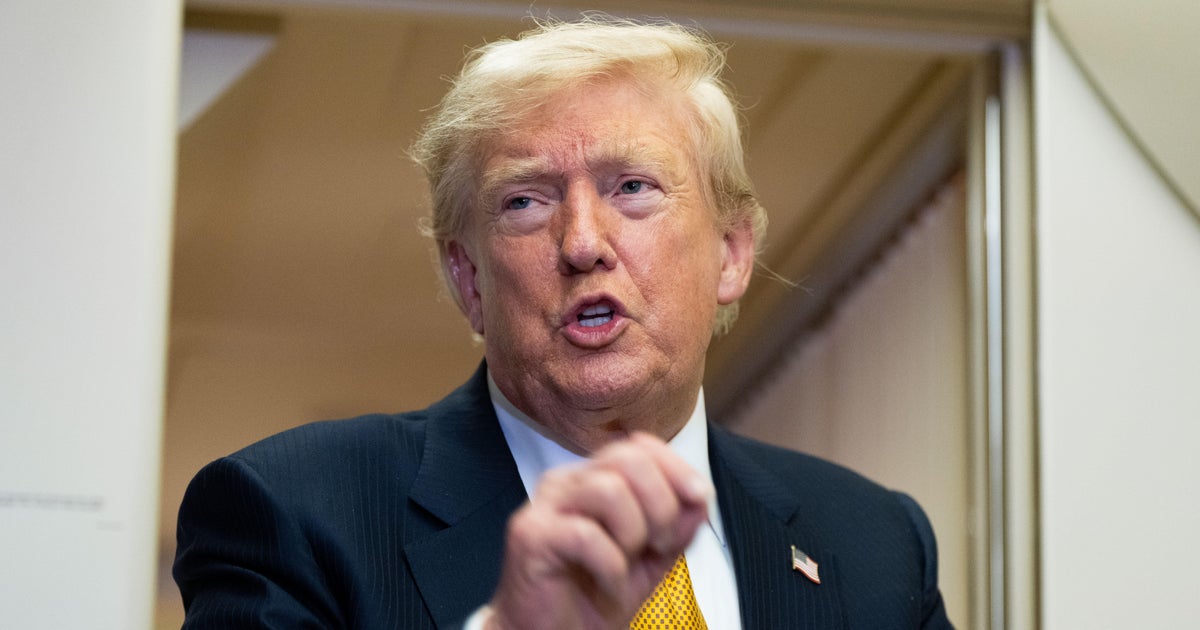
U.S. President Donald Trump declared on Friday that the ceasefire between the United States and Iran has ended, while confirming that the administration has agreed to continue diplomatic talks with Tehran. The announcement came amid heightened tensions in the Middle East, following renewed attacks on commercial vessels in the Strait of Hormuz and a series of military strikes by both sides. Trump’s remarks, posted on Truth Social, emphasized that while Iran had requested further negotiations, the U.S. Had made clear the ceasefire was “over.”
The U.S. And Iran had entered a temporary truce in mid-June under a memorandum of understanding, aimed at resolving disputes over shipping lanes in the strategic waterway and addressing broader regional conflicts. However, the agreement collapsed after Iran allegedly targeted commercial tankers in Omani territorial waters, prompting U.S. Airstrikes that hit 90 military sites. Iranian officials, according to U.S. Sources, privately admitted the attacks were orchestrated by “errant” hardliners and sought to re-engage in talks. The White House, however, demanded a public acknowledgment of the mistake before resuming direct diplomacy.
Vice President JD Vance, along with Trump’s son-in-law Jared Kushner and special envoy Steve Witkoff, has been coordinating efforts to revive negotiations, though the process remains indirect and mediated by Qatar. Iranian Foreign Minister Abbas Aragchi has been in ongoing discussions with Qatari officials, defending the Islamic Revolutionary Guard Corps’ actions while seeking to stabilize the situation. A Qatari delegation arrived in Iran on Friday to reinforce its role as a mediator, following accusations that Tehran had targeted a Qatari-owned tanker in the Strait of Hormuz.
The U.S. Has warned Iran of “unspecified consequences” if it fails to publicly commit to ceasing attacks on commercial shipping. A White House official told Axios that Iran must acknowledge the strait’s openness, halt hostilities, and reject tolls on shipping lanes. Iranian officials, however, have resisted these demands, insisting on control over navigation routes. The dispute has disrupted global trade, with tanker traffic through the strait dropping to its lowest level since June 28, according to S&P Global MINT. Fuel prices have also risen, with U.S. Gasoline averaging $3.88 per gallon as of July 11, up from $3.84 the previous week.
Meanwhile, the funeral of Iran’s late Supreme Leader Ayatollah Ali Khamenei, held on Thursday, coincided with renewed violence. U.S. Strikes targeted infrastructure in southern Iran, including bridges and railways linking Tehran to Mashhad, where Khamenei was buried. Iranian state media blamed the attacks on the U.S., while a lawmaker accused the United Arab Emirates of aiding Washington’s campaign. Unclaimed airstrikes in Iran further complicated the situation, with no clear attribution for the strikes that hit multiple regions after the U.S. Concluded its own military operations.
The conflict has also spilled into neighboring states. Israeli forces conducted over 20 strikes in Lebanon, targeting Hezbollah positions, while Iran threatened retaliation against Israel for any attacks on its infrastructure. The U.S. And Iran’s clashes have exacerbated existing tensions with Hezbollah, which has continued attacks despite a U.S.-brokered ceasefire. Pakistan’s prime minister urged both sides to prioritize diplomacy, offering Islamabad as a mediator for regional peace.
Despite the escalation, Trump reiterated his commitment to dialogue, stating that the U.S. Would “continue talks” with Iran. However, the administration has not ruled out further military action. The latest round of U.S. Strikes, which lasted two days, targeted Iranian military assets, including supply routes. Iran has since accused the U.S. Of attacking civilian infrastructure, a claim denied by American officials. The situation remains volatile, with both sides preparing for potential further escalation.
The ongoing crisis has also impacted global markets. Oil prices edged lower on Friday but remained on track for a weekly gain of 5%, reflecting concerns over supply disruptions. Shipping giant Maersk announced plans to resume services through the Suez Canal, though the route does not alleviate congestion in the Strait of Hormuz. Meanwhile, the U.S. And Iran’s disputes over the strait’s control continue to test the durability of the interim truce, which was set to expire on August 18.
How significant is this development?
Cast your anonymous vote to register reader sentiment across business and policy circles.
CurrentDeck is dedicated to independent, evidence-backed reporting. This briefing was synthesized from primary source reporting, corroborated across independent newsrooms, and verified against our Editorial Standards.