Trump says ceasefire 'is over' after US and Iran trade strikes overnight
Military hostilities have resumed between the U.S. and Iran following a breakdown of the recent memorandum of understanding. The escalation includes U.S. strikes on Revolutionary Guard assets and retaliatory missile attacks targeting U.S. installations in Bahrain and Kuwait.
- Development: Trump says ceasefire 'is over' after US and Iran trade strikes overnight
- Core Takeaway: Military hostilities have resumed between the U.S. and Iran following a breakdown of the recent memorandum of understanding. The escalation includes U.S. strikes on Revolutionary Guard assets and retaliatory missile attacks targeting U.S. installations in Bahrain and Kuwait.
- Context: Primary reporting aggregated across independent newsrooms and verified against CurrentDeck standards.
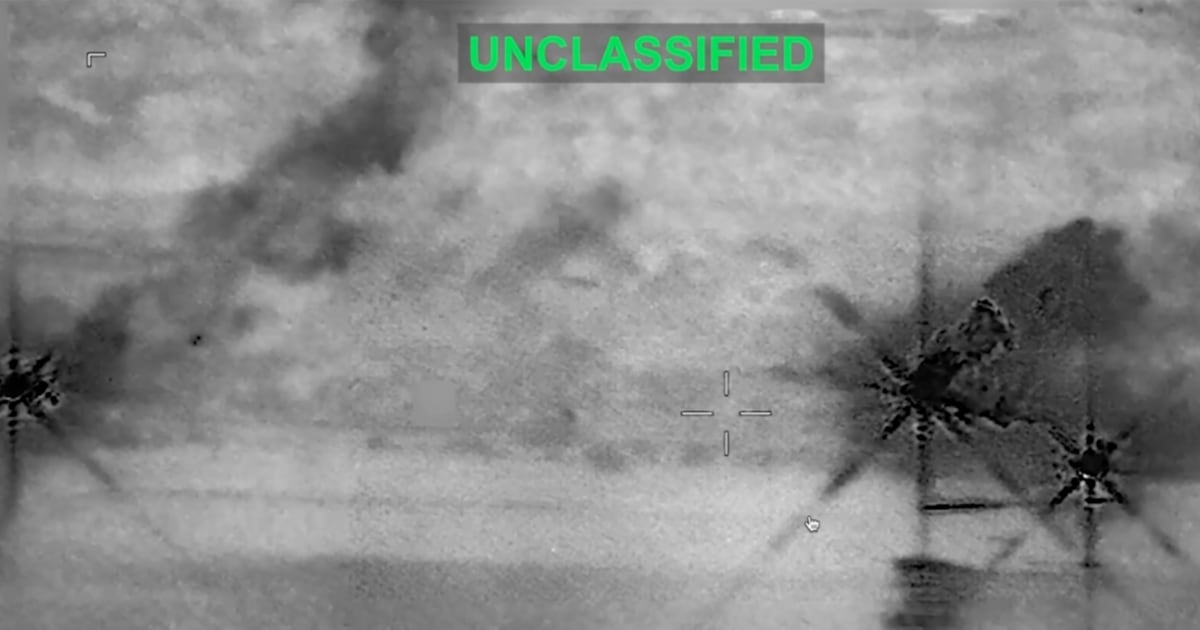
President Donald Trump declared the ceasefire with Iran "over" on Wednesday, 8 July 2026, following an intense overnight exchange of military strikes that jeopardized a weeks-old memorandum of understanding between the two nations. The president, speaking from Ankara, Turkey, where he is attending a NATO summit, described Iranian leadership as sick
and vicious
while characterizing continued diplomatic engagement as a waste of time.
The escalation began after the United States military launched a series of strikes against more than 80 Iranian targets. According to U.S. Central Command, these operations targeted air defense systems, radar sites, and more than 60 small boats operated by the Islamic Revolutionary Guard Corps. The U.S. Military stated the action was taken to impose costs for attacks on commercial shipping in the Strait of Hormuz, where three merchant vessels were struck. In addition to the military response, the U.S. Revoked a license that had allowed Iran to conduct oil sales internationally, a key provision of the interim agreement signed on 17 June 2026.
Iran responded with strikes targeting U.S. Military installations in Bahrain and Kuwait. Missile alert sirens were sounded repeatedly in Bahrain, while Kuwaiti officials expressed concern that the hostilities undermined efforts to de-escalate regional tensions. Explosions were also reported in the Iranian port city of Bushehr, which hosts a civilian nuclear power plant and sits near Kharg Island, a major oil export terminal. Iran’s Revolutionary Guard issued a statement accusing the U.S. Of violating the ceasefire by targeting coastal bases in Hormozgan and Mahshahr provinces.
These clashes occurred during a period of mourning for Iran’s late Supreme Leader, Ayatollah Ali Khamenei, who was killed on 28 February 2026. Funeral processions have been underway in Iraq, with events held in the cities of Najaf and Karbala, before the body is scheduled to be buried Thursday in Mashhad, Iran. Mohammad Bagher Qalibaf, the speaker of Iran’s parliament, addressed the situation on social media, stating, The era of bullying and extortion is over. It leads nowhere. We don't fold.
The memorandum of understanding had aimed to end the conflict on all fronts, including the reopening of the Strait of Hormuz for commercial vessels without charges for at least 60 days. The renewed violence caused immediate instability in global markets, with Brent North Sea crude and West Texas Intermediate both experiencing sharp price increases on Wednesday.
During his appearance at the NATO summit, President Trump received support from alliance leadership regarding the military response. NATO Secretary-General Mark Rutte told the president,
"I think what you did last night was absolutely necessary. It was a very strong response."
Despite his rhetoric, the president stated he would allow U.S. Negotiators to remain available for communication with their Iranian counterparts, though he dismissed the likelihood of success. The European Union’s foreign policy representative, Kaja Kallas, warned that the current exchange of strikes further complicates the already difficult path to ending the war. EU foreign ministers are scheduled to meet with Gulf state counterparts on Monday to discuss maritime security in the Strait of Hormuz and the Red Sea.
How significant is this development?
Cast your anonymous vote to register reader sentiment across business and policy circles.
CurrentDeck is dedicated to independent, evidence-backed reporting. This briefing was synthesized from primary source reporting, corroborated across independent newsrooms, and verified against our Editorial Standards.