Charlie Kirk murder suspect told roommate 'he wishes he hadn't done it',…
Prosecutors in the Tyler Robinson murder trial presented text messages and testimony revealing the suspect’s immediate regret following the killing of Turning Point USA founder Charlie Kirk.
- Development: Charlie Kirk murder suspect told roommate 'he wishes he hadn't done it',…
- Core Takeaway: Prosecutors in the Tyler Robinson murder trial presented text messages and testimony revealing the suspect’s immediate regret following the killing of Turning Point USA founder Charlie Kirk.
- Context: Primary reporting aggregated across independent newsrooms and verified against CurrentDeck standards.
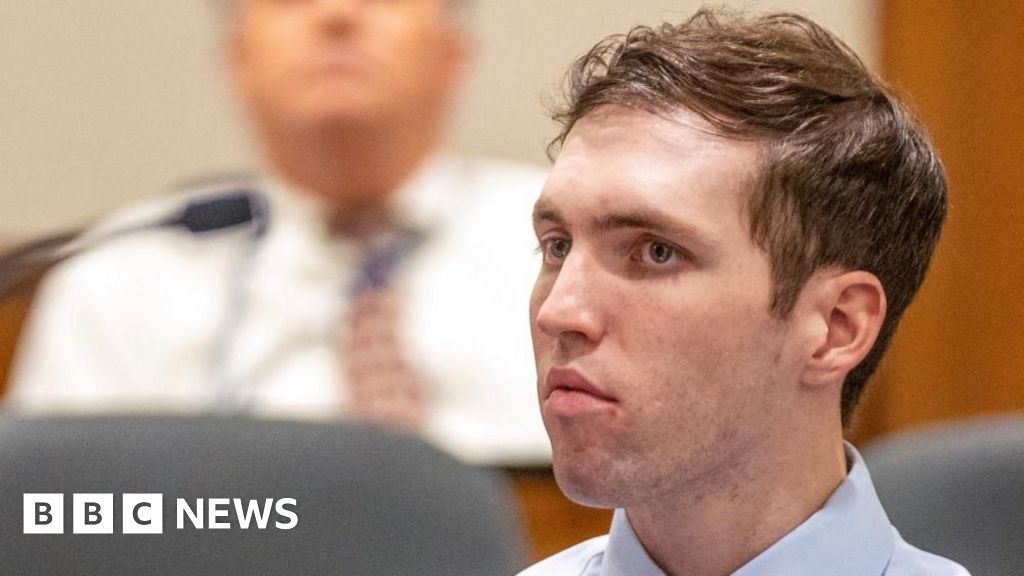
The suspect accused of fatally shooting conservative activist Charlie Kirk told his roommate he “wishes he hadn’t done it” in the hours after the killing, a Utah court has heard. Tyler Robinson, 23, faces aggravated murder charges in the September 10, 2025, shooting of Kirk, a 31-year-old founder of the political group Turning Point USA and close ally of former President Donald Trump. The details emerged during the fourth day of a preliminary hearing, where prosecutors presented evidence including text messages and a redacted video interview with Robinson’s ex-roommate and romantic partner, Lance Twiggs.
Twiggs, who lived with Robinson in St. George, Utah, described how Robinson confessed to the killing via text messages the night of the shooting. According to the interview, Robinson texted Twiggs to “drop what you’re doing” and “look under your keyboard,” before admitting, “I am. I’m sorry.” When asked why, Robinson responded, “I had enough of his hatred. Some hate can’t be negotiated out.” The messages, played in court, also revealed Robinson’s concern about leaving fingerprints on a rifle believed to have been used in the attack. He allegedly worried about a “sniffer dog” locating the weapon and discussed engravings on bullet casings, including phrases like “Hey Fascist! Catch!” and “If you Read This, You Are GAY.”
Twiggs testified that the next day, Robinson appeared at their apartment, where he “didn’t go into detail” about the previous night but confirmed the text messages. “He started crying a little bit and said he wishes he hadn’t done it,” Twiggs said. Robinson reportedly told his roommate he intended to turn himself in. The suspect later posted on the Discord platform, “it was me at UVU yesterday,” before surrendering to authorities around 21:00 on September 11, 2025, accompanied by his parents and a family friend. Investigators found the suspected murder weapon—a bolt-action rifle wrapped in a towel—near the scene of the shooting at Utah Valley University.
The prosecution’s case hinges on evidence of premeditation, including Robinson’s request for an engraving tool months before the killing. Twiggs said Robinson had mentioned planning a family hunting trip, though he denied discussing politics or Kirk with his roommate. The defense challenged the admissibility of evidence, arguing that publicizing the video interview and text messages could prejudice Robinson’s right to a fair trial. Judge Tony Graf allowed a redacted version of the interview to be shown, with some portions restricted to the courtroom. The judge also denied requests from Kirk’s family and media outlets to make all evidence publicly accessible, citing the need to balance transparency with the rights of victims and the defendant.
Robinson, who has not entered a plea, faces potential sentencing enhancements for targeting Kirk due to his political views. Prosecutors argue the shooting endangered others at the campus event, a factor that could justify the death penalty under Utah law. The defense has not commented on guilt but has sought to limit the possibility of capital punishment. During the hearing, Robinson sat quietly in a jacket and tie, with one arm shackled, occasionally taking notes. His parents and siblings were present, as were Kirk’s parents and his widow, Erika Kirk, who has advocated for greater transparency in the proceedings.
The case has drawn national attention, with Kirk’s activism and ties to Trump amplifying its political significance. The preliminary hearing, which continues, will determine whether prosecutors have enough evidence to proceed to trial. Meanwhile, the legal battle over evidence disclosure highlights tensions between public accountability and due process, as both sides navigate the complexities of a high-profile murder case. The judge’s final decision on the admissibility of evidence could shape the trajectory of the trial and the broader implications for the justice system.
How significant is this development?
Cast your anonymous vote to register reader sentiment across business and policy circles.
CurrentDeck is dedicated to independent, evidence-backed reporting. This briefing was synthesized from primary source reporting, corroborated across independent newsrooms, and verified against our Editorial Standards.