French supermarkets hit by cyberattack that heats fridges, sparks fires
French supermarkets hit by cyberattack that heats fridges, sparks fires
- Development: French supermarkets hit by cyberattack that heats fridges, sparks fires
- Core Takeaway: French supermarkets hit by cyberattack that heats fridges, sparks fires
- Context: Primary reporting aggregated across independent newsrooms and verified against CurrentDeck standards.
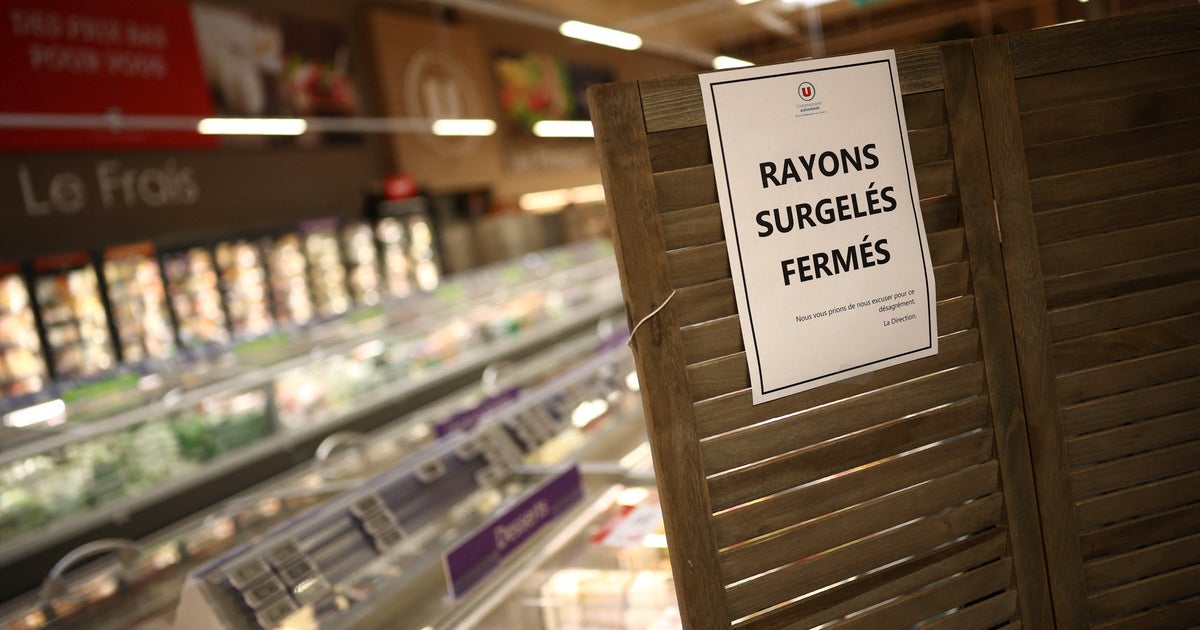
French Supermarkets Hit by Cyberattack
A major cyberattack has hit French supermarkets, causing refrigerators to heat up and sparking fires and food losses. The attack, which has been described as "unprecedented" by Cooperative U's chief executive, has affected hundreds of stores across the country, including those operated by major chains such as E. Leclerc, Intermarché, and Cooperative U. According to reports, the hackers were able to remotely access the refrigeration systems in the affected stores, causing the temperatures to rise to as high as 50 degrees Celsius. This has resulted in the destruction of large quantities of fresh and frozen food, with some stores being forced to throw away all of their perishable products. The attack has been condemned by the EU's food and agriculture commissioner, Christophe Hansen, who has called for greater attention to be paid to food security. "Food security requires more attention at all levels," he said. "This exploitation of food is now a reality."Investigation Underway
An investigation into the attack is underway, with the Paris prosecutor's office confirming that a "large-scale" attack has been launched against connected refrigerators in several major food retailers across France. The French government has instructed the National Cybersecurity Agency (ANSSI) to investigate the attack, with authorities working to identify the perpetrators and prevent further attacks. The attack is believed to have been carried out by exploiting a vulnerability in software supplied by Danish company Danfoss, which provides refrigeration management systems to many of the affected stores. Danfoss has said that it is aware of the incidents and is working to support its customers. The affected units "were running outdated firmware," Danfoss said, adding that it had "long advised customers to keep supported systems updated with the latest firmware and to migrate legacy systems to current-generation solutions."Affected Stores and Products
The following table shows the number of stores affected by the cyberattack:| Supermarket Chain | Number of Stores Affected |
|---|---|
| Intermarché | At least 300 |
| Cooperative U | Over 100 |
| E. Leclerc | Several |
| Carrefour | 80 |
| Monoprix | 5% of stores |
International Implications
The attack has raised concerns about the potential for similar attacks in other countries. The French government has said that it is working with European counterparts to identify other companies that may be at risk and to prevent the spread of the attack. Felix Aime, a senior cyber threat intelligence analyst at Sekoia Threat Detection and Research, said Spain, Portugal, Poland, Germany, and Belgium had also been affected. Dutch supermarket operator Ahold Delhaize, which also has operations in the United States, has said that it is dealing with a "security issue" in its network and has taken several systems offline as a precaution.Frequently Asked Questions
What caused the cyberattack on French supermarkets?
The attack is believed to have been carried out by exploiting a vulnerability in software supplied by Danish company Danfoss, which provides refrigeration management systems to many of the affected stores.
How many stores were affected by the cyberattack?
Hundreds of stores were affected, including those operated by major chains such as E. Leclerc, Intermarché, and Cooperative U.
What is being done to prevent further attacks?
The French government has instructed the National Cybersecurity Agency (ANSSI) to investigate the attack, with authorities working to identify the perpetrators and prevent further attacks. The government is also working with European counterparts to identify other companies that may be at risk and to prevent the spread of the attack.
How significant is this development?
Cast your anonymous vote to register reader sentiment across business and policy circles.
CurrentDeck is dedicated to independent, evidence-backed reporting. This briefing was synthesized from primary source reporting, corroborated across independent newsrooms, and verified against our Editorial Standards.