Oil Prices Fall 5 Percent Following US and Iran Strike Pause
Brent crude futures dropped 5.05% to $91.89 per barrel after the United States and Iran paused military strikes over the weekend, easing supply fears in the Strait of Hormuz.
- Development: Oil Prices Fall 5 Percent Following US and Iran Strike Pause
- Core Takeaway: Brent crude futures dropped 5.05% to $91.89 per barrel after the United States and Iran paused military strikes over the weekend, easing supply fears in the Strait of Hormuz.
- Context: Primary reporting aggregated across independent newsrooms and verified against CurrentDeck standards.
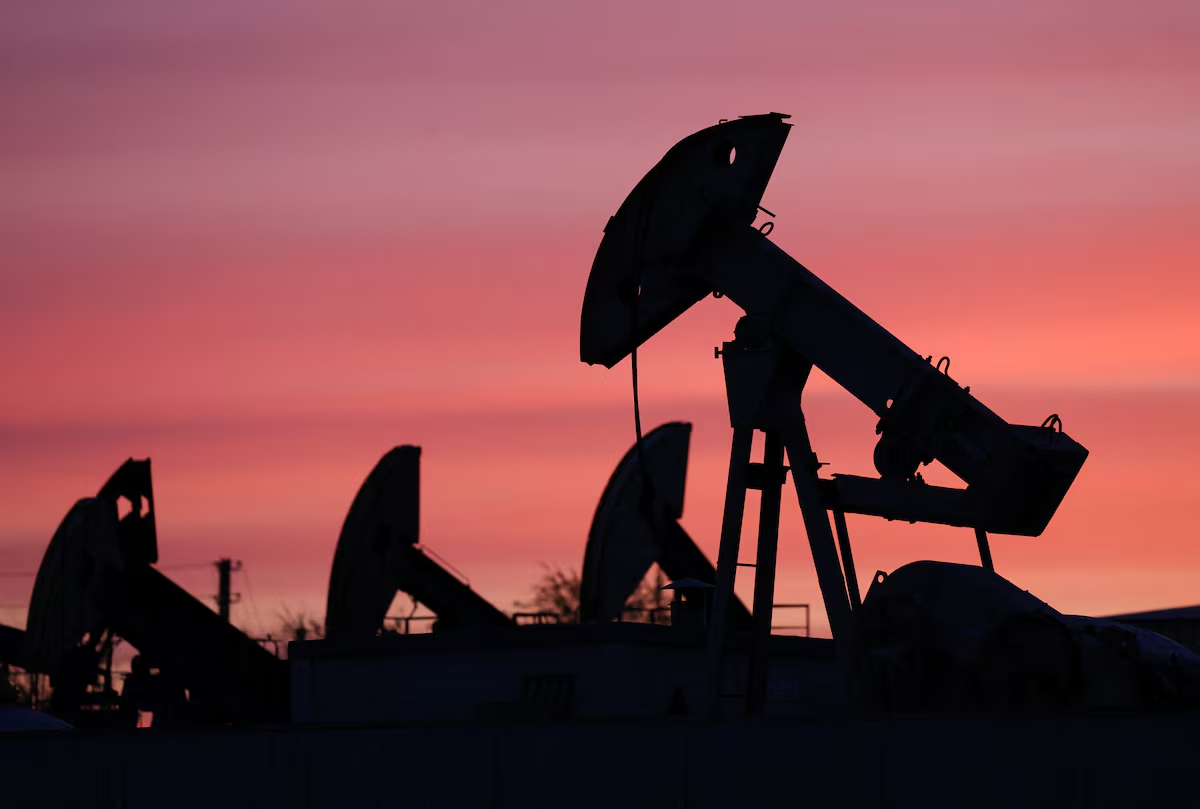
Oil prices fell sharply on Monday as the United States and Iran paused military strikes over the weekend, easing fears of supply disruptions in the Strait of Hormuz and spurring hopes for a diplomatic resolution to the two-week conflict. Brent crude futures dropped 5.05% to $91.89 per barrel, while U.S. West Texas Intermediate (WTI) fell 5.23% to $84.64, marking their lowest levels in nearly a week. The decline followed a period of sustained gains as tensions in the Middle East pushed Brent above $100 per barrel, disrupting shipping routes and fueling global inflation concerns.
The pause in hostilities, announced by U.S. President Donald Trump’s envoy, came after weeks of escalating attacks between the U.S. And Iran, which had targeted vessels in the Strait of Hormuz and expanded to the Red Sea, where Yemeni Houthi rebels struck Saudi oil infrastructure. The U.S. Ambassador to the United Nations, Mike Waltz, told Fox News Sunday that Trump had halted attacks to allow “more time for diplomacy,” a move that analysts said reflected market desperation for stability. “The price action in oil this morning clearly reflects the market’s desperation for positive news,” noted ING analysts.
The easing of tensions briefly lifted global equity markets, with India’s BSE Sensex surging 600 points and the Nifty 50 index climbing above 23,900. However, the Indian rupee’s sharp gain—its largest since May—highlighted the localized economic ripple effects. The currency opened 41 paise higher at 96.15 against the dollar as Brent prices cooled. Analysts warned, however, that the relief was temporary. “Sustained Brent crude prices above $100 per barrel would significantly dampen Indian equities, the rupee, and macroeconomic stability,” said Manoranjan Sharma, chief economist at Infomerics Valuation and Rating Ltd.
The drop in oil prices also sparked mixed reactions across sectors. While refiners like Chennai Petroleum and MRPL were expected to benefit from higher product cracks, oil marketing companies faced margin pressure. “Rising oil prices would worsen the already loss-making oil marketing companies,” said Swarnendu Bhushan of PL Capital. Meanwhile, energy-intensive industries such as aviation and logistics remained vulnerable to volatility. Sourav Choudhary of Raghunath Capital noted that “aviation, paints, chemicals, tyres, logistics, cement, and other energy-intensive industries are likely to face margin pressure if crude prices remain elevated.”
Despite the pause in hostilities, shipping data revealed lingering caution. Fewer than 10 commodity vessels passed through the Strait of Hormuz daily over the weekend, with analysts citing “wary shippers” reluctant to return without greater confidence in safety. “Any rebound in flows through the Strait of Hormuz is likely to prove slow and partial,” said MST Marquee’s Saul Kavonic. Meanwhile, the conflict’s spillover into the Red Sea continued to pose risks: Yemeni Houthis attacked Saudi oil installations on Sunday, though a Chinese supertanker managed to exit the Bab el-Mandeb Strait.
Geopolitical analysts emphasized that the pause in strikes did not guarantee a lasting resolution. “Unless there is a prolonged disruption to oil supplies or a meaningful escalation in geopolitical tensions, Brent crude sustaining well above $100 per barrel appears unlikely,” Choudhary said. However, the Russia-Ukraine war and ongoing Middle East instability remained potential catalysts for renewed volatility. “Sustained supply disruption would likely keep oil prices elevated and continue to pose upside risks to global inflation,” warned UOB analysts.
The developments also influenced broader financial markets. While tech stocks in Asia and the U.S. Saw mixed performance, investors closely watched the Federal Reserve’s upcoming policy decision. “Traders remain somewhat nervy about the scale of the capex being committed,” said Tim Waterer of KCM Trade, as concerns over the sustainability of the AI boom persisted. Meanwhile, China’s CXMT chipmaker surged 470% on its market debut, briefly surpassing ICBC as the mainland’s most valuable company after raising $9.8 billion in an initial public offering.
As markets awaited further clarity on diplomatic efforts, the pause in U.S.-Iran hostilities offered a brief reprieve but left underlying tensions unresolved. “Developments in the Middle East have moved in a positive direction over the weekend,” said National Australia Bank’s Sally Auld, “but the path to lasting stability remains uncertain.” For now, oil prices and global markets remained tethered to the fragile balance between diplomacy and the enduring risks of regional conflict.
How significant is this development?
Cast your anonymous vote to register reader sentiment across business and policy circles.
CurrentDeck is dedicated to independent, evidence-backed reporting. This briefing was synthesized from primary source reporting, corroborated across independent newsrooms, and verified against our Editorial Standards.