Xbox CEO Asha Sharma named to Federal Reserve task force on jobs
Xbox CEO Asha Sharma has been named to a new Federal Reserve task force investigating the impact of AI on labor markets. The appointment has drawn scrutiny following her recent decision to restructure Microsoft's gaming division and cut thousands of jobs.
- Development: Xbox CEO Asha Sharma named to Federal Reserve task force on jobs
- Core Takeaway: Xbox CEO Asha Sharma has been named to a new Federal Reserve task force investigating the impact of AI on labor markets. The appointment has drawn scrutiny following her recent decision to restructure Microsoft's gaming division and cut thousands of jobs.
- Context: Primary reporting aggregated across independent newsrooms and verified against CurrentDeck standards.
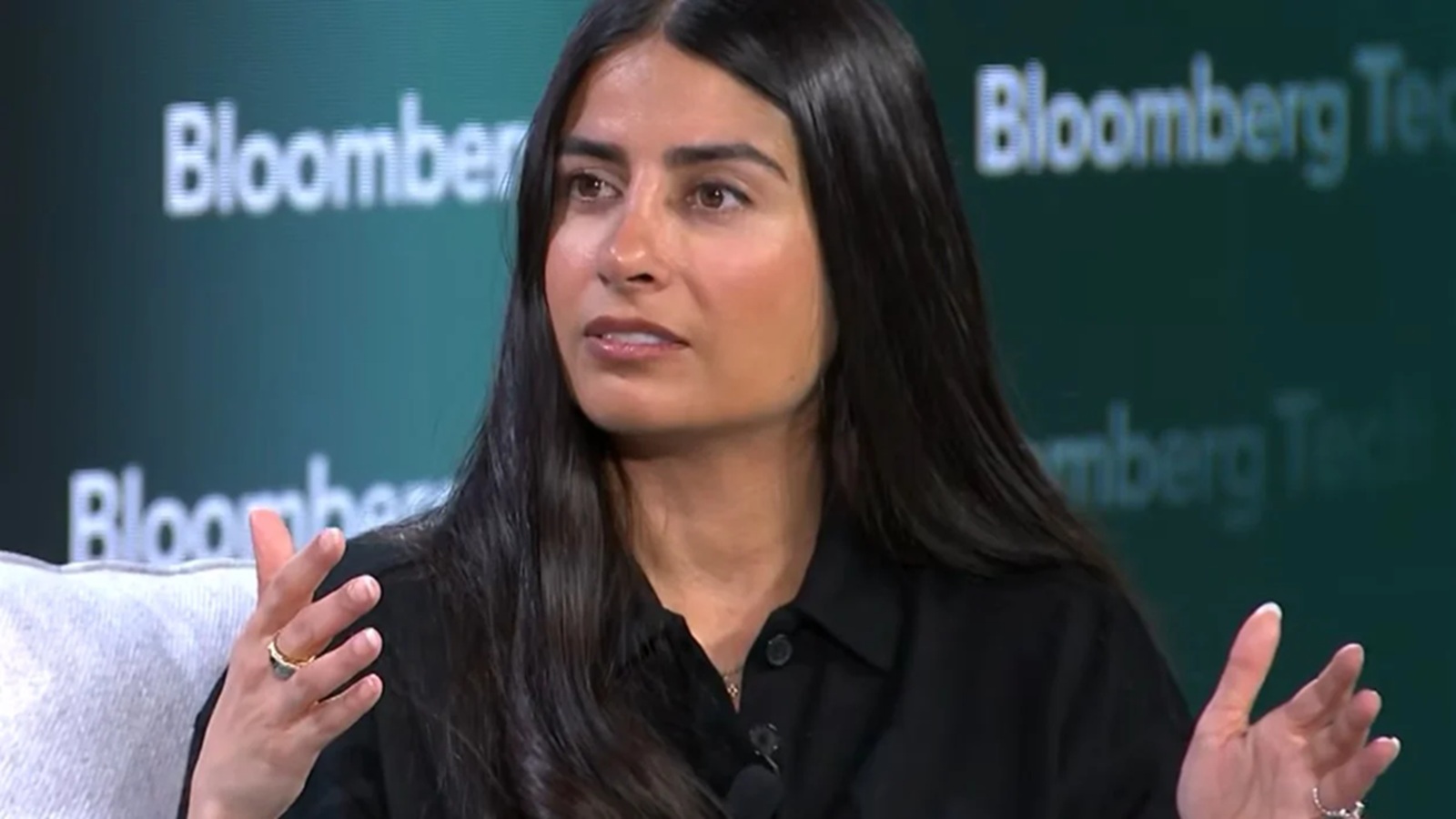
Xbox CEO Asha Sharma has been appointed to a U.S. Federal Reserve task force focused on productivity and jobs, a move that has drawn both professional and public attention amid her recent decision to lay off 3,200 employees at Microsoft’s gaming division. The task force, part of a broader initiative by the Federal Reserve to evaluate and improve its operations, will assess the economic impact of emerging technologies, including artificial intelligence, to inform policy decisions. Sharma’s inclusion alongside Silicon Valley venture capitalist Marc Andreessen and Stanford economics professor Charles I. Jones underscores the Fed’s emphasis on cross-disciplinary expertise in addressing rapid technological and economic shifts.
The appointment follows a high-profile restructuring of Xbox, announced by Sharma earlier this week, which involves cutting 3,200 jobs by the end of Microsoft’s 2027 fiscal year. The layoffs, described by some as a “reset” of the division, have sparked criticism from industry insiders and employees, who argue the moves risk destabilizing key studios and franchises. Sharma, who previously led Microsoft’s Core AI division, has framed the reorganization as necessary to streamline operations and focus on profitability. In a statement, she emphasized reducing managerial layers and prioritizing “makers” and “directly responsible individuals” to accelerate decision-making, though she did not explicitly link the changes to AI’s role in the gaming industry.
The Federal Reserve’s task force, one of five established to advise on monetary policy, aims to evaluate how new technologies—particularly AI—might reshape labor markets and economic productivity. Sharma’s background in artificial intelligence, coupled with her corporate leadership experience, aligns with the task force’s mandate. However, her appointment has raised questions about the timing and implications of her dual roles. Critics have pointed to the irony of a CEO overseeing large-scale layoffs leading a group tasked with addressing job creation and economic stability. Some sources noted that Sharma’s decision to restructure Xbox included transferring high-value studios like Mojang and King under her direct oversight, raising doubts about her ability to balance corporate and governmental responsibilities.
Sharma’s tenure at Xbox has been marked by rapid and controversial changes. Since assuming the role in 2026, she has overseen the dissolution of several studios, including Double Fine, Ninja Theory, and Undead Labs, and has shifted focus toward major franchises such as Halo and Minecraft. Her leadership has also seen the cancellation of projects and the realignment of development teams, prompting concerns about the long-term viability of smaller gaming brands. Despite these challenges, the Federal Reserve’s press release highlighted her “deep expertise” in technology and business, citing her previous roles at Microsoft, Instacart, and Meta as qualifications for the task force.
The task force’s work is expected to involve analyzing how AI and other general-purpose technologies influence employment trends, with Sharma’s insights potentially shaping future Fed policies. However, her appointment has also drawn scrutiny from industry observers, who question how a corporate executive with a history of significant layoffs can effectively advise on labor market stability. Some reports noted the presence of other high-profile figures on the task force, including Andreessen, a prominent AI investor, and Jones, a Stanford professor currently on leave at Anthropic, a leading AI research company. The Fed’s chairman, Kevin Warsh, emphasized the importance of “rigorous findings” and “candid feedback” in the task force’s approach, though the practical challenges of balancing corporate and public interests remain unclear.
As the task force begins its work, the interplay between Sharma’s corporate decisions and her governmental role will likely remain a focal point. The Federal Reserve has not commented on the potential conflicts of interest, nor has Sharma addressed the criticism directly. For now, the appointment highlights the growing intersection of technology, corporate leadership, and public policy, as well as the complex dynamics of job creation and economic adaptation in an era of rapid technological change.
How significant is this development?
Cast your anonymous vote to register reader sentiment across business and policy circles.
CurrentDeck is dedicated to independent, evidence-backed reporting. This briefing was synthesized from primary source reporting, corroborated across independent newsrooms, and verified against our Editorial Standards.