Catnip lotion matches DEET in effectiveness against mosquitoes, study finds
A study conducted in Uganda found that 6% catnip oil lotion performs as effectively as a 15% DEET product. This research aims to provide an affordable, locally sourced mosquito repellent for rural communities.
- Development: Catnip lotion matches DEET in effectiveness against mosquitoes, study finds
- Core Takeaway: A study conducted in Uganda found that 6% catnip oil lotion performs as effectively as a 15% DEET product. This research aims to provide an affordable, locally sourced mosquito repellent for rural communities.
- Context: Primary reporting aggregated across independent newsrooms and verified against CurrentDeck standards.
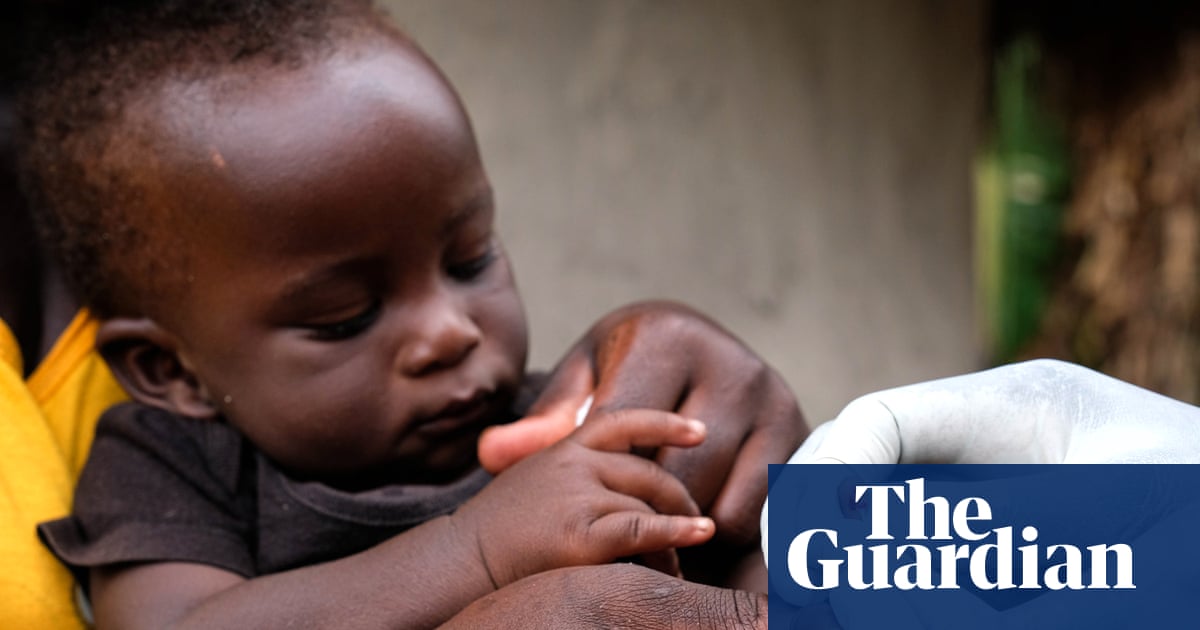
Researchers have identified a potential new tool in the fight against malaria: a lotion formulated from locally grown catnip. The findings, presented on Tuesday, July 7, 2026, at the Society for Experimental Biology conference in Florence, Italy, suggest that the plant, widely recognized for its euphoric effects on felines, can perform as effectively as synthetic chemical repellents in field conditions.
The research, conducted by a team collaborating between institutions in Uganda and Wales, focused on the potential for affordable, community-produced alternatives to existing commercial options. Malaria remains a severe global health threat, with the World Health Organization estimating 282 million infections and 610,000 deaths in 2024, the majority of which occurred among young children in African countries. As concerns mount regarding rising resistance to both insecticides and frontline medical treatments, scientists are exploring new ways to reduce human-mosquito contact.
The study specifically tested the efficacy of the plant Nepeta cataria, commonly known as catnip. Its primary chemical constituent, nepetalactone, has long been understood to possess insect-repelling properties, though it had not previously been commercialized for widespread community use. In laboratory and field trials conducted in eastern Uganda, researchers evaluated the performance of lotions containing 2% or 6% catnip oil against a positive control of 15% DEET and a placebo.
According to the results, the 6% catnip oil lotion proved to be as effective as the 15% DEET product, while the 2% concentration offered a level of protection that was only marginally lower. During the evening field tests, investigators counted the number of mosquitoes that landed on the legs of volunteers who had applied the various treatments.
"We found that a 6% catnip oil was just as effective as Deet, and the 2% catnip oil was only marginally less effective than that."
Dr. Simon Scofield, senior lecturer at Cardiff University, via The Guardian
The project emphasizes economic sustainability as much as biological efficacy. In many rural Ugandan communities, commercial insect repellents are often too expensive for regular, preventative use. By utilizing catnip—a hardy member of the mint family that thrives in poor soil—the research team aims to establish a production cycle managed by local community enterprises. This model is intended to provide a low-cost, locally sourced repellent while creating income opportunities for those involved in its production. So far, the repellent has been distributed through grant funding, but the team hopes to transition to a self-sustaining model where local sales generate funds to support community efforts.
While the results are encouraging, experts emphasize that topical repellents are a complementary tool for malaria prevention and are most effective when used consistently. Swai Kyeba, a research entomologist from the Ifakara Health Institute in Tanzania who was not involved in the study, noted that such tools remain a "complementary tool in the fight against malaria" because they require regular application. Health authorities and researchers stress that such lotions should not replace other established safety measures, including the use of insecticide-treated bed nets and indoor spraying.
Current travel guidance for malaria-endemic regions remains unchanged. Travelers are advised to use established protocols, which typically include stronger DEET-based repellents of at least 50%, permethrin-treated netting, and appropriate medical preventives. Future phases of the project will focus on the transition from grant-funded distribution to a commercial model, alongside further evaluation of the repellent's performance in broader settings.
How significant is this development?
Cast your anonymous vote to register reader sentiment across business and policy circles.
CurrentDeck is dedicated to independent, evidence-backed reporting. This briefing was synthesized from primary source reporting, corroborated across independent newsrooms, and verified against our Editorial Standards.